
Last updated November 4, 2026
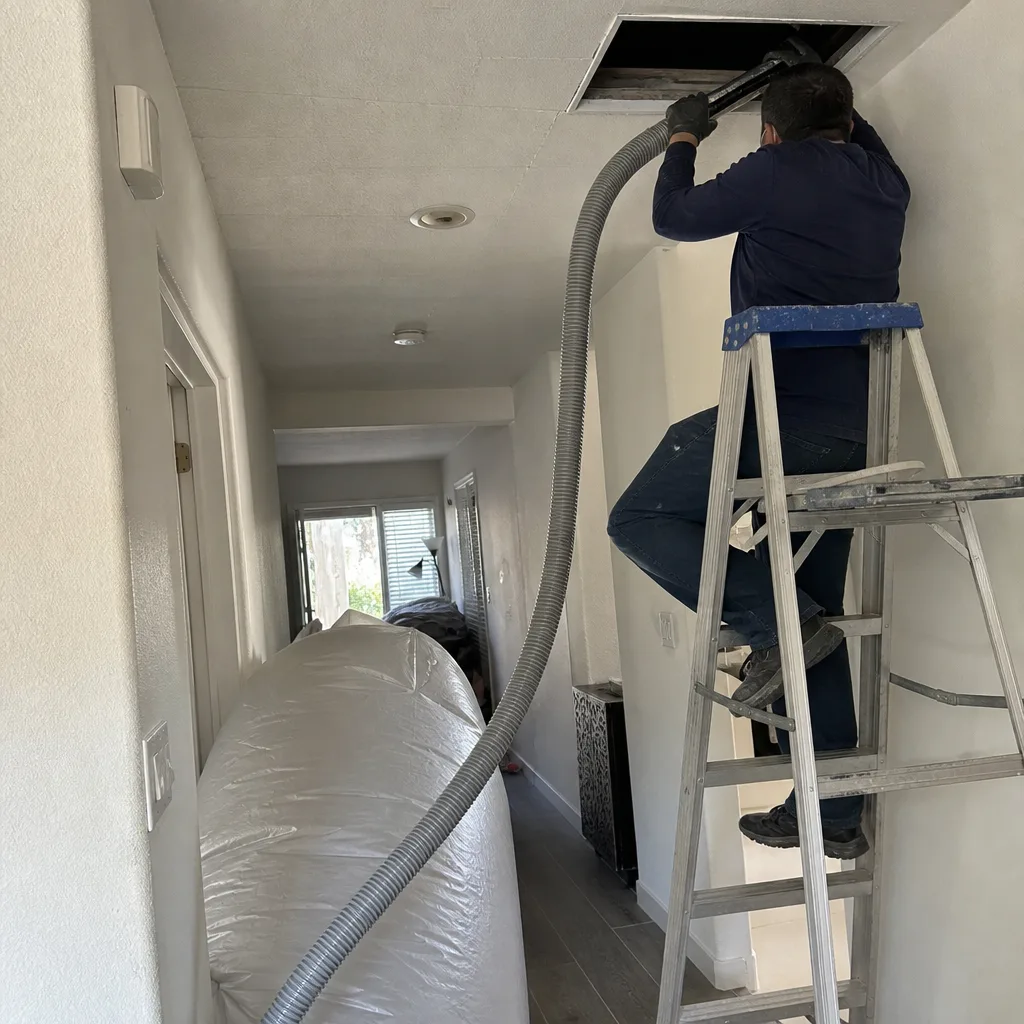
 Whole-home duct cleaning
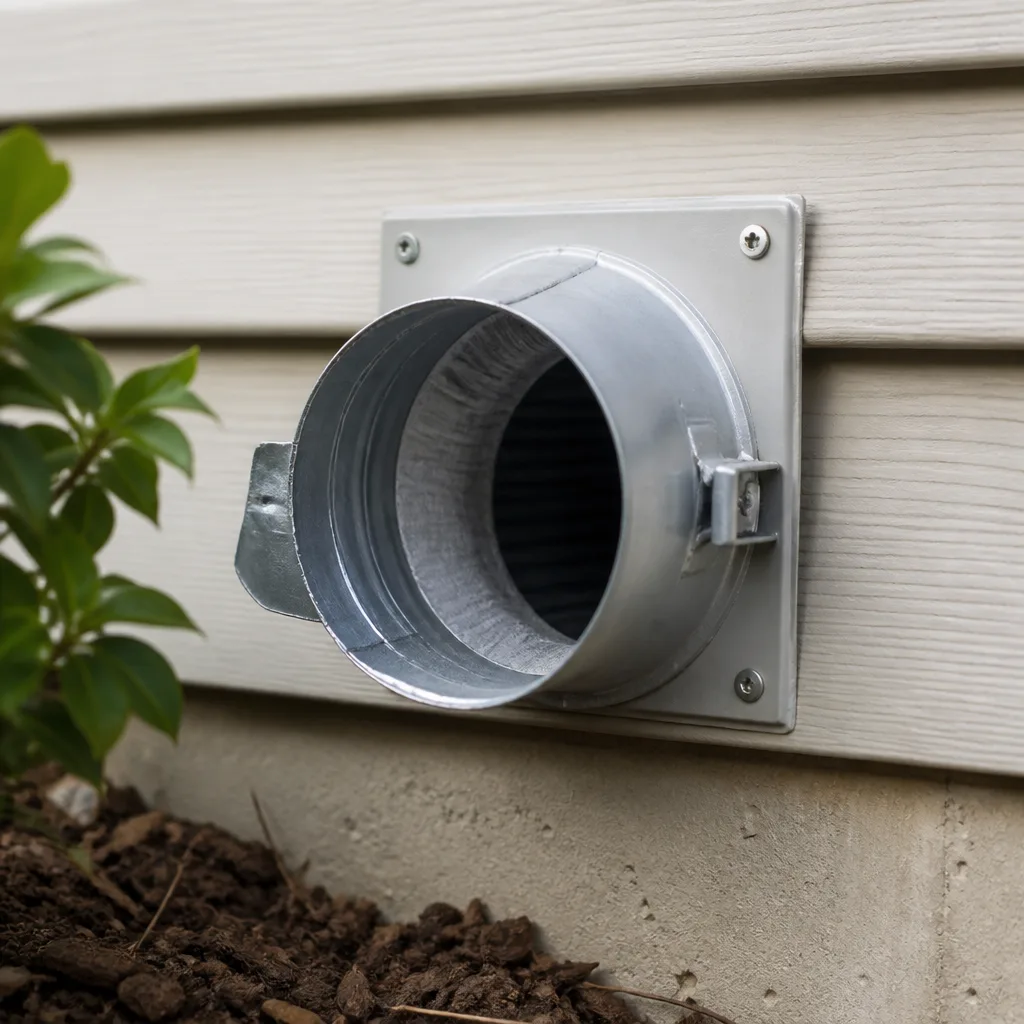 Dryer vent cleaning
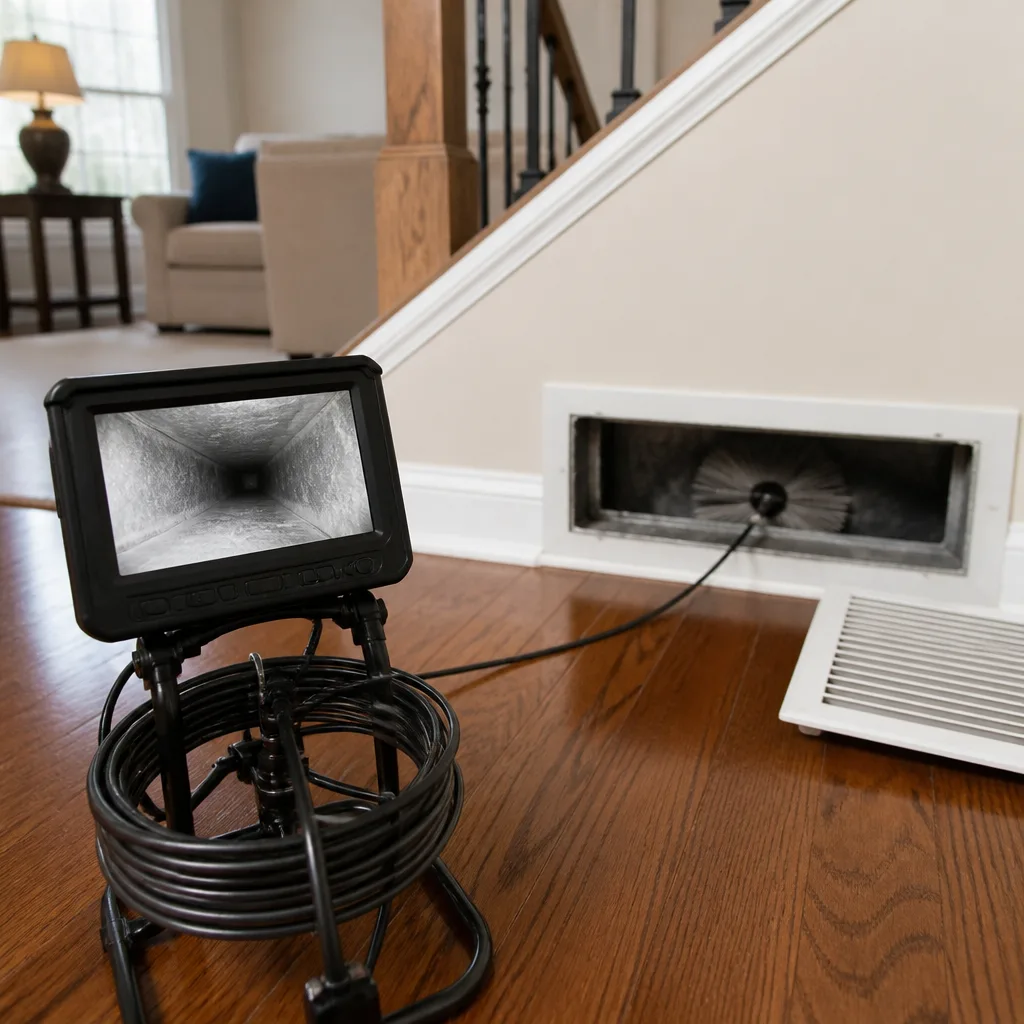 Camera inspection
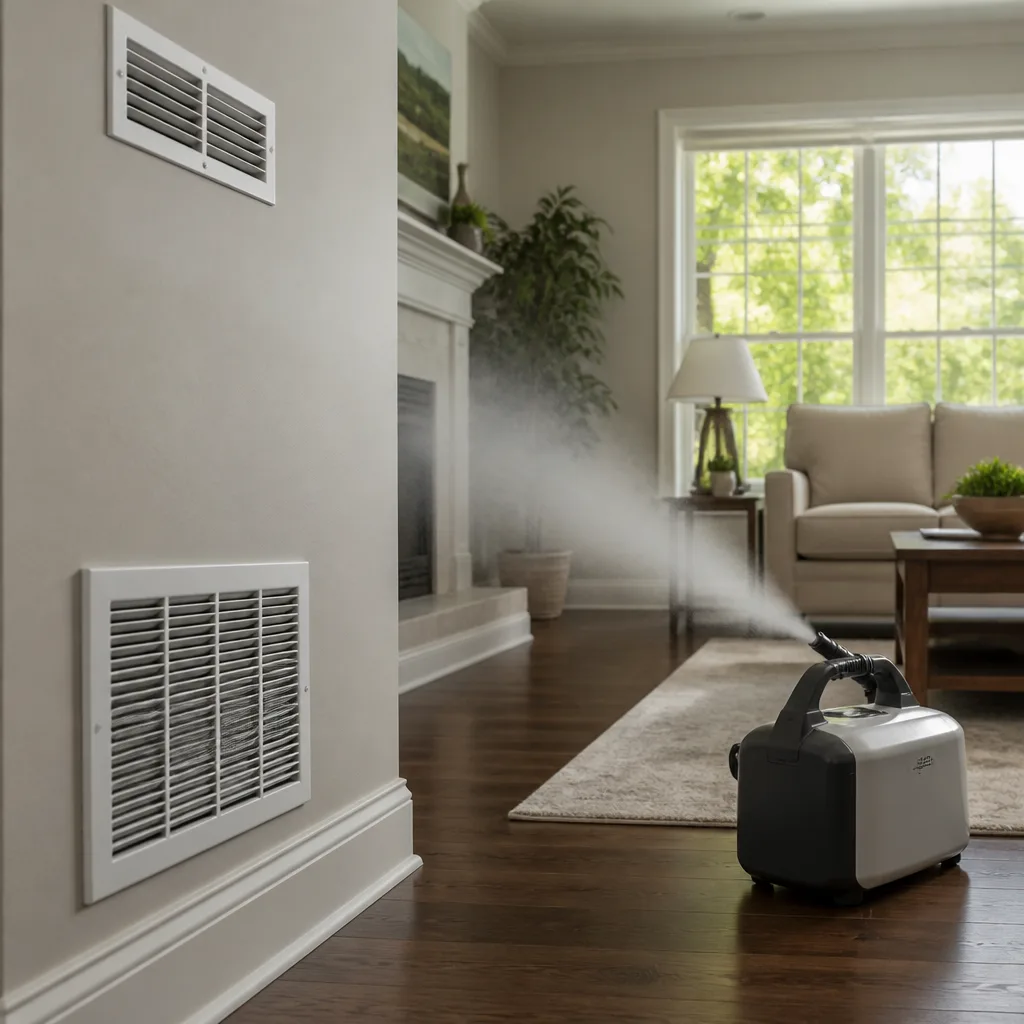 Sanitizing & deodorizing
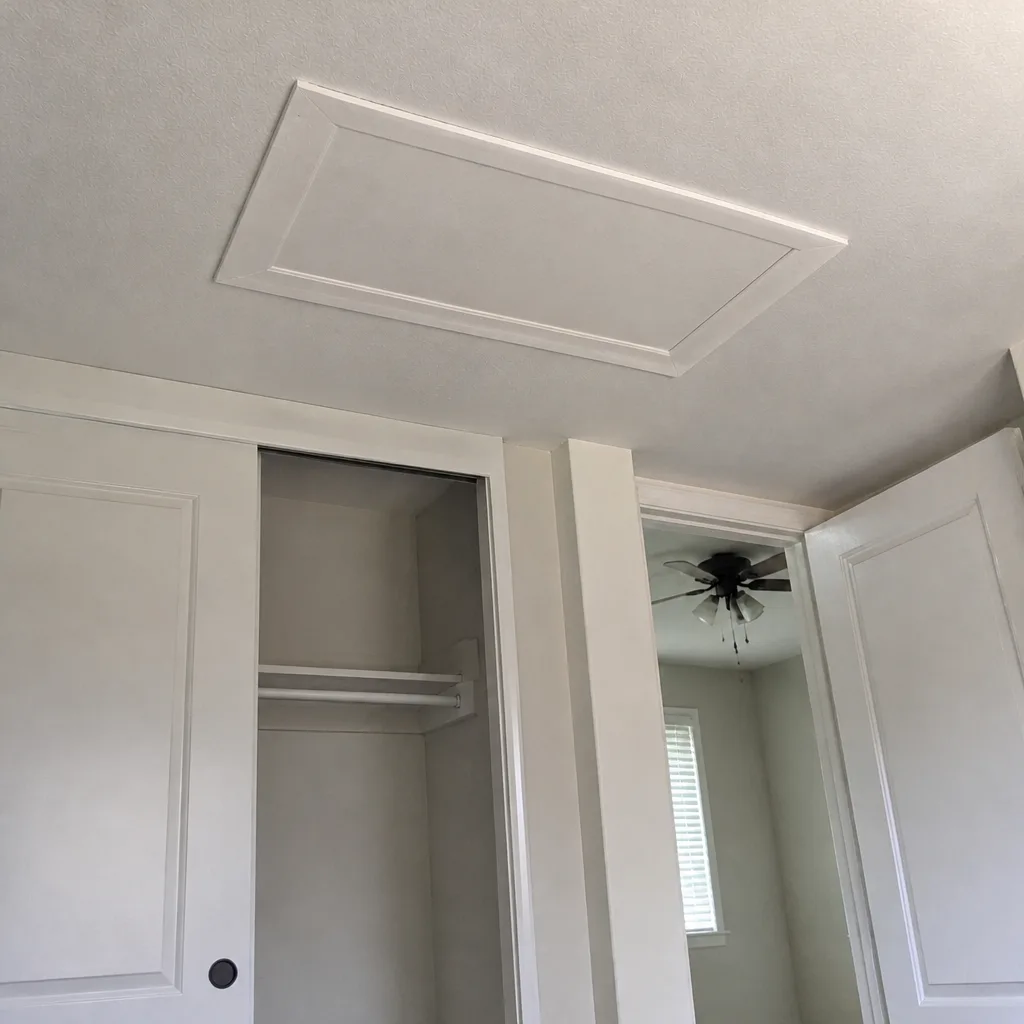
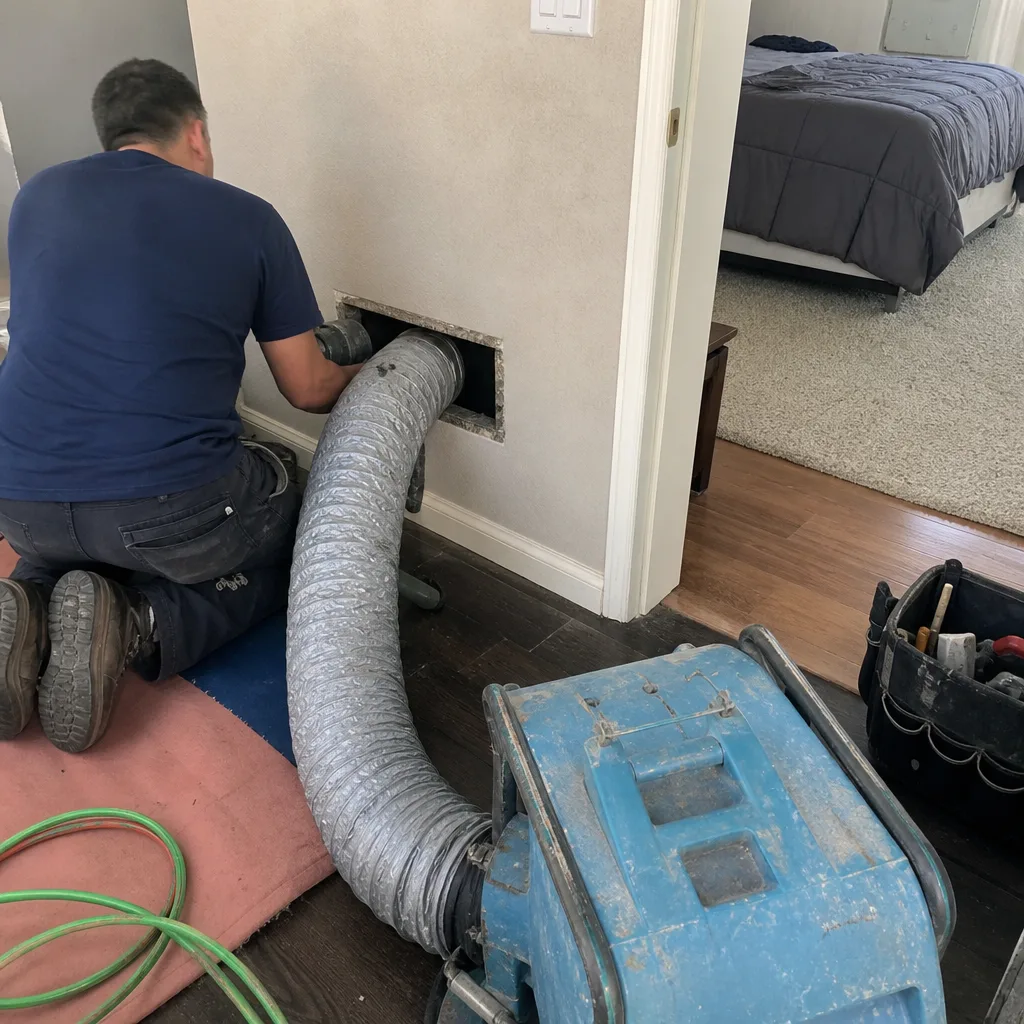
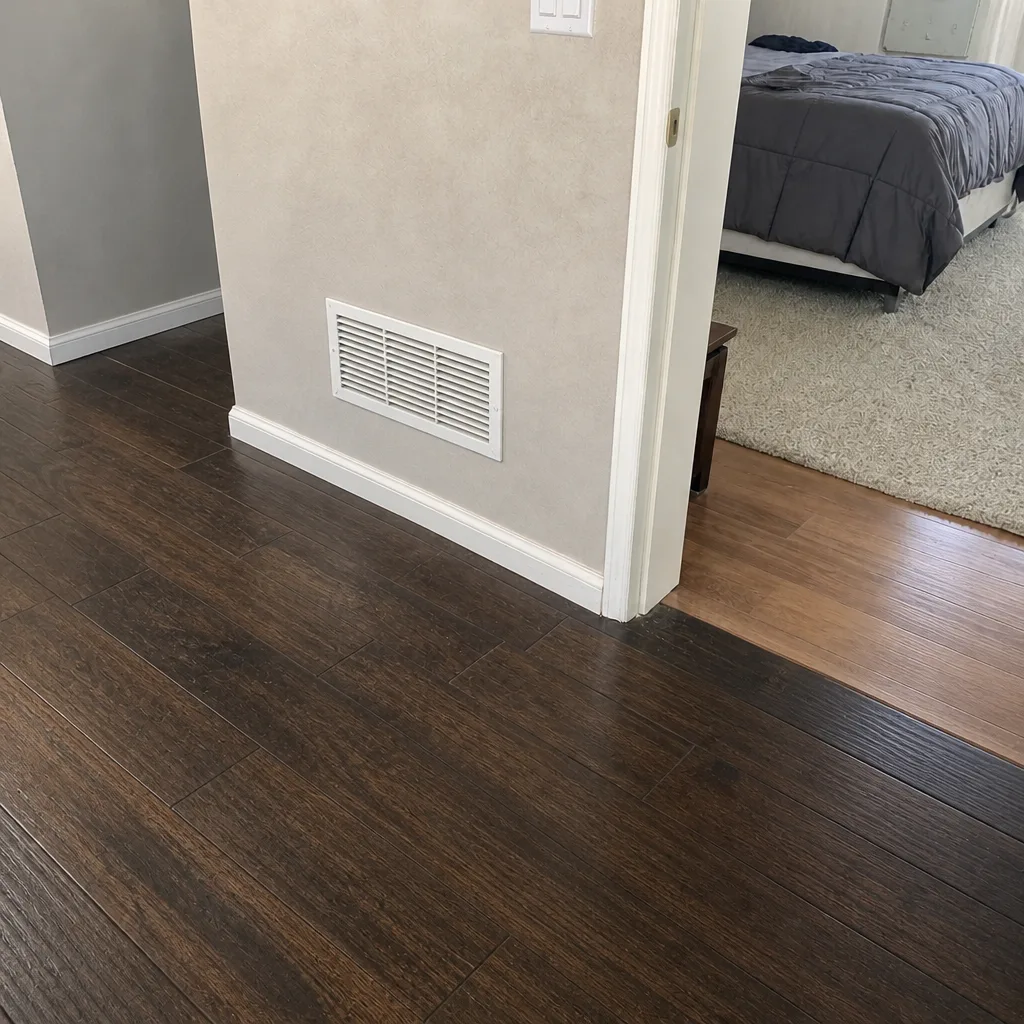
Whole-system duct and dryer vent check with before-and-after photos - you see exactly what came out of your vents
That "$99 whole-house special" is a bait ad - the real number appears once they are in your hallway, or the "clean" is a shop-vac at the register. We photograph the inside of your ducts before and after instead.
Air Duct Cleaning Troubleshooting in Downtown San Diego: Common Problems and How to Fix Them
If your HVAC was serviced six months ago and rooms still heat unevenly, the unit probably isn’t the problem. The duct system almost certainly is, and no amount of refrigerant adjustment will fix that. Downtown San Diego homeowners call us about airflow issues, musty odors, and dusty vents constantly, and the root cause is usually in the ductwork, not the equipment connected to it. This guide walks through the same diagnostic framework our technicians use when they walk into a Downtown San Diego condo or loft, so you can identify whether the problem is a restriction, contamination, or structural breach before you spend a dime on the wrong fix.
Styles & brands we work with
- Whole-home duct cleaning
- Dryer vent cleaning
- Camera inspection
- Sanitizing & deodorizing
Quick Answer
Most air duct problems in Downtown San Diego fall into three categories: airflow restriction from crushed or collapsed flex ducts, contamination from dust and mold growth, or structural breaches where conditioned air leaks into wall cavities. You can safely self-triage with a flashlight check at accessible registers and a pressure test using a tissue or piece of paper. When restricted airflow or visible contamination is present, mechanical agitation with professional equipment like Rotobrush systems is required, not just a vacuum pass, and any breach must be sealed before cleaning to avoid making things worse.
Table of Contents
- How to Tell If Your Duct Problem Is Airflow Restriction
- Why Downtown San Diego Ducts Sweat: Condensation and Mold Risk
- Dirty Ducts vs. Breached Ducts: The Critical Difference
- The Flashlight-and-Mirror Self-Check: A 5-Step Triage for Downtowners
- When a Vacuum Pass Isn’t Enough: Mechanical Agitation Explained
- The Most Common Duct Problems We Find in Downtown San Diego
- Common Mistakes to Avoid
- When to Call a Professional
- Frequently Asked Questions
- The Bottom Line
How to Tell If Your Duct Problem Is Airflow Restriction
Airflow restriction is the most misdiagnosed duct problem we see, and Downtown San Diego’s housing stock makes it especially common. Many buildings in this area were constructed decades ago, and the original duct runs were designed for equipment that has since been replaced. When a new air handler gets paired with older ductwork, static pressure builds up, and the weakest point in the run shows the symptom first. You’ll notice one bedroom is always five degrees warmer than the living room, or air from one register feels like a whisper while another blows like a fan.
Restriction comes from three primary sources: collapsed flex duct where the inner liner has separated from the insulation, crushed elbows where something was set on top of or against the run, and undersized returns that cannot pull enough air back to the unit. Here is the register-level check you can do safely:
- Close all windows and doors to the room with the weak register.
- Hold a single-ply tissue or a piece of receipt paper six inches from the register while the system is running.
- Watch the angle of deflection. A healthy register pushes the paper to at least a 45-degree angle. If it barely moves or only flutters, you have restriction.
- Walk to the nearest register on the same run and repeat the test. A strong register next to a weak one on the same branch points to a crushed section between them.
- Check the visible flex duct in accessible areas like attics, closets, or dropped soffits. Squeeze sections along the run; healthy flex duct feels firm and round, not soft or pinched.
We answer 24/7, and a call describing exactly what you observed helps our technicians know what to expect before they arrive. Fast dispatch from 7am to 7pm, Sunday through Friday. Small restrictions can sometimes be corrected by supporting or re-rounding the duct. Larger collapses require replacement of that section, which is part of the full repair scope we handle as an air duct cleaning and repair specialist.
Why Downtown San Diego Ducts Sweat: Condensation and Mold Risk
Downtown San Diego’s mild coastal climate means we rarely deal with freezing ducts, but the humidity from the bay puts a different kind of stress on duct systems. When warm, moisture-laden air contacts a cold duct surface inside a wall cavity or an unconditioned space, condensation forms on the outside of the duct. Over time this internal sweating saturates the insulation, stains the surrounding drywall, and creates exactly the dark, damp conditions where mold colonies establish themselves.
This often presents as a “cooling problem” because the air coming out of the registers feels less cold than it should. The actual issue is not the cooling capacity of the unit. The duct insulation has degraded or become saturated, so the air picks up heat and moisture on its way to the room. You may also notice a musty smell that gets worse when the AC runs, or a damp spot on a ceiling or closet wall near a duct chase.
The diagnostic sequence our technicians follow in Downtown San Diego involves checking the dew point at the register face and then inspecting the duct’s exterior insulation for saturation. If the insulation is wet, the fix is not a blower adjustment. That section of duct insulation needs replacement, and the interior of the duct should be inspected for mold growth. The equipment matters here: we use Rotobrush rotary brush technology and Nikro HVAC cleaning equipment for this kind of remediation, because a consumer-grade vacuum cannot agitate and capture contamination embedded in the duct lining. Companies with Abatement Technologies equipment on hand are equipped for more serious contamination scenarios beyond a standard residential cleaning.
Dirty Ducts vs. Breached Ducts: The Critical Difference
This distinction is the most important concept in this guide, and most homeowners never hear it explained. A dirty duct system has accumulated dust, pet dander, and debris on the interior surfaces of otherwise intact ductwork. A breached duct system has a physical failure: a separated seam, a tear in flex duct, a disconnected elbow, or a rusted-out section. The failure allows unfiltered air from wall cavities, attics, or crawl spaces to be pulled into the system and distributed into your living space. In Downtown San Diego buildings with aging mechanical chases, breaches are more common than many homeowners realize.
Here is why the distinction matters: cleaning a breached duct without sealing it first makes contamination worse, not better. The cleaning process creates movement in the duct walls, and a breach allows new debris to enter with every cycle of negative pressure. You can clean it on Monday and have it dirty again by Thursday. A proper sequence is: inspect, seal, clean, and then verify with after-photos at the registers.
Signs of a breach include a register that blows dust even after the system has been cleaned, a room that never reaches setpoint, or visible debris lines around a register face. In our experience, Downtown San Diego units that have been renovated multiple times show multiple breach points, often from previous contractors who moved a duct without properly reconnecting it. Call (866) 282-6412 for an inspection of the full run; the estimate is free and the written estimate sets the final price.
The Flashlight-and-Mirror Self-Check: A 5-Step Triage for Downtowners
Before you schedule a professional inspection, there is a simple visual check you can do at any accessible register in your Downtown San Diego home. It takes ten minutes and will either confirm a contamination problem or rule it out. You need a bright LED flashlight and a small inspection mirror like a dental mirror or a compact mechanic’s mirror.
- Turn the system off at the thermostat, not just the fan setting.
- Remove the register cover with a screwdriver and set the screws aside where you will not lose them.
- Shine the flashlight into the visible portion of the duct and angle the mirror so you can see around the first bend or elbow.
- Look for any of these findings: dust accumulations thicker than a quarter-inch, visible mold spots or staining, loose insulation fragments, rodent droppings, or a visible gap at a seam.
- Replace the cover and repeat at two or three additional registers, especially in rooms that feel stuffier or dustier than the rest of the unit.
If you see accumulation, do not attempt to clean it with a household vacuum or a brush. Household equipment lacks the filtration to capture the fine particulate you will dislodge, and the dust will simply resettle in other rooms. Professional air duct cleaning uses negative-air containment so whatever is removed does not redeposit in your living space. If you see a visible gap or separation at a seam, that is a breach, and the cleaning needs to wait until the repair is done.
This self-check is especially useful in older Downtown San Diego buildings where register access may be limited to a few floor vents. If you can only reach two or three registers and suspicion remains, an inspection with a camera is the next step.
When a Vacuum Pass Isn’t Enough: Mechanical Agitation Explained
There is a real difference between vacuuming the inside of a duct and mechanically cleaning it, and that difference determines whether your contamination issue returns quickly or stays gone. A vacuum-only pass moves air across the surface, but it does not break the physical bond between accumulated debris and the duct wall. Dust that has been baked onto the lining through repeated heating and cooling cycles requires physical agitation to dislodge.
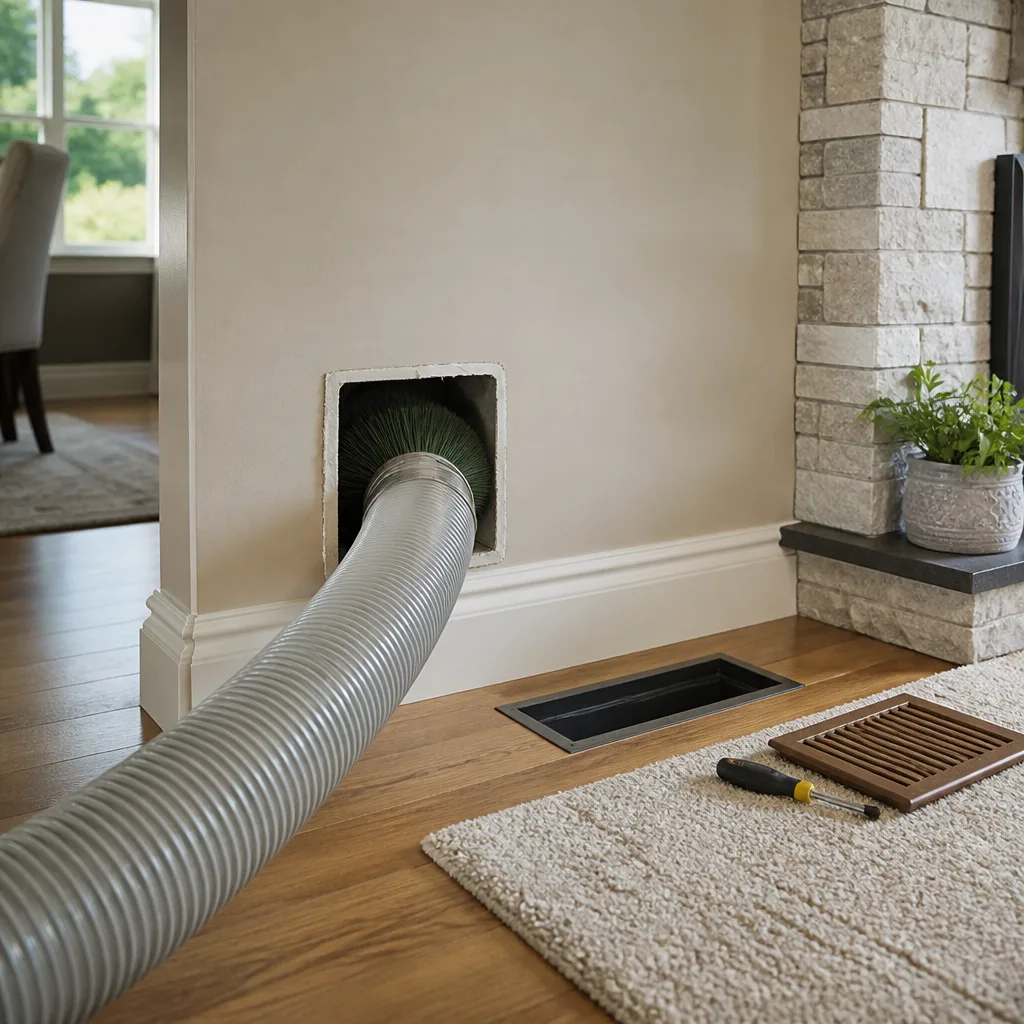
Rotobrush systems address this with a rotating brush that physically scrubs the interior surface while negative pressure captures the dislodged material. Nikro equipment adds specialized agitating tools, including air whips and reverse-direction brushes, for harder deposits. This is the same professional-grade approach used in commercial and restoration industry work, and it is not replicable with a rental carpet cleaner or a shop vac with a long hose.
Downtown San Diego’s building stock makes agitation particularly important. Many ducts in this area have been in place since the original construction, and the accumulated layer includes decades of dust, construction debris from renovations, and sometimes the residue of previous owners’ pets. A superficial vacuum pass will leave all of that in place. When our technicians assess a system, they determine whether the contamination is loose surface dust or adherent buildup. Loose surface dust in a newer system may respond to a single-pass cleaning. Adherent buildup in an older system typically requires the full Rotobrush or Nikro treatment, and occasionally sections of duct need replacement because the interior liner has degraded beyond the point where cleaning makes sense.
The Most Common Duct Problems We Find in Downtown San Diego
Downtown San Diego has a specific housing profile: a mix of modern high-rise condos, renovated lofts in converted commercial buildings, and older multi-unit walkups that predate modern HVAC standards. Each presents its own duct failure patterns. Here is what we see most often and how each one behaves.
- Renovation debris in lofts: Converted lofts in Downtown San Diego were frequently built with open ceilings and industrial aesthetics. When new duct runs were added during conversion, leftover drywall dust, sawdust, and sometimes fastener debris ended up inside the runs. That debris then circulates as fine powder on flat surfaces for months after move-in.
- Crushed flex duct in high-rise retrofits: High-rise condos often route flexible duct through tight mechanical chases shared with plumbing and electrical runs. Squeezing a duct through a space that was not designed for it leads to crimped elbows and partial collapses. The symptom is a register that barely blows air.
- Animal intrusion in low-rise buildings: In walkup buildings and low-rise units with accessible crawl spaces or attics, rodents occasionally nest in or near duct runs. You will smell it before you see it, and the remedy involves removal, sanitation, and often replacement of the contaminated section.
- Disconnected dryer vent runs: This one is adjacent to the HVAC duct system but shares the same chase. A disconnected dryer vent assembly pumps hot, lint-heavy air into the wall cavity, which is a documented fire hazard. Dryer vent cleaning is a dedicated fire-prevention service we perform, not an afterthought upsell.
- Register boxes installed backwards: In renovated properties, register boxes sometimes get installed with the damper facing the wrong direction. The room never heats or cools correctly, and the homeowner often does not realize the fix is a five-minute damper correction.
- Leaking return plenums: Return air plenums in older Downtown San Diego buildings sometimes pull air from wall cavities rather than from the living space. That means the air your system filters and cools has already been mixed with whatever is inside the wall, including insulation fibers and old construction dust.
Each of these is diagnosed by working through the airflow, contamination, and breach framework above. None of them is fixed by adding more refrigerant or replacing a thermostat. Blackstone Air Duct Cleaning is a dedicated indoor air quality specialist, not a generalist HVAC company offering duct cleaning as a sideline. That focus matters when you are troubleshooting a problem that sits entirely inside the duct system.
Common Mistakes to Avoid
- Assuming the HVAC unit is always the problem. When rooms heat unevenly or the air smells different, the equipment gets blamed first. In Downtown San Diego, duct-side issues like restriction, breach, and contamination are underdiagnosed because the ductwork is hidden.
- Cleaning a breached system. If you clean a breached duct without sealing it first, you will re-contaminate the system within days. Seal, then clean, then photograph.
- Using a household vacuum on duct interiors. Household equipment lacks the filtration and containment to do this safely. Dislodged dust simply recirculates into the living space.
- Ignoring a musty smell that only appears when the AC runs. That pattern points to duct-side condensation and possible mold, not a dirty filter. It will not go away by running the fan longer.
- Replacing a unit before inspecting the ducts. In Downtown San Diego buildings with old duct runs, a new air handler connected to degraded ducts takes on the same airflow and contamination problems as the old one.
- Skipping the dryer vent. Your dryer vent assembly is part of the same mechanical chase and presents a fire risk that HVAC duct cleaning does not address. We handle both air duct cleaning and dryer vent cleaning, so one specialist covers the full job.
When to Call a Professional
Call when the self-check reveals accumulation thicker than a quarter-inch, visible mold, animal activity, or a gap at a seam. Call when a register blows weakly despite a serviced unit. Call when a musty odor returns every time the AC runs, because that points to condensation inside the duct run. Call when you have renovated and the dust never settled, because construction debris in the duct system will not clear on its own. Blackstone Air Duct Cleaning offers free estimates in Downtown San Diego. The estimate is free and the written estimate sets the final price. Call (866) 282-6412. We answer 24/7. Fast dispatch from 7am to 7pm, Sunday through Friday.
Frequently Asked Questions
Replace the filter first and run the system for 24 hours. If visible dust or a musty odor persists, or if a tissue held at the register barely moves, the issue is inside the duct system, not the filter. A dirty filter starves the unit of air at the return, but a clean filter cannot compensate for built-up contamination or a restricted duct run.
That is almost always a duct-side restriction or breach on the run serving that room. Collapsed flex duct, a crushed elbow, or a disconnected section prevents conditioned air from reaching the register. In Downtown San Diego’s high-rise and converted loft buildings, tight mechanical chases make crushed duct runs especially common.
No. A shop vac is not a duct cleaning system. Without negative-air containment and proper agitation, whatever dust you dislodge recirculates through your home. Professional equipment like Rotobrush and Nikro systems scrubs the duct surface while capturing the material that comes off. The difference is visible in before-and-after photos.
That pattern usually means condensation is forming inside or on the duct surface, and microbial growth has taken hold in the damp material. Downtown San Diego’s coastal humidity makes internal duct sweating a recurring problem, particularly in wall cavities without proper vapor barriers. The duct insulation often needs replacement along with the cleaning.
There is no universal schedule. A system in a renovated Downtown loft with construction debris should be cleaned once when the renovation concludes. A system with pets and smokers may need attention every few years. A system with a history of breaches may need repeat work because each breach introduces new contamination. The best answer comes from an inspection of the actual accumulation, not a calendar.
Yes, if the breach is not sealed first. A breach pulls unfiltered air from the wall cavity or mechanical chase into the clean system, re-contaminating it within days. The correct sequence is inspection, sealing, cleaning, and verification. We handle structural air duct cleaning and repair as one scope, so you do not need to coordinate two contractors.
The Bottom Line
Duct problems are hidden by definition, so homeowners in Downtown San Diego often chase the wrong fix for years. The framework is simple: determine whether airflow is restricted, contamination is present, or the duct is breached. Those three categories cover nearly every presentation. The self-check with a flashlight and mirror gives you a starting point without spending a dollar. When you find something beyond a surface dusting, the right next step is a professional inspection with equipment that can actually see and clean what is in there. Clean ducts. Repaired ducts. Better air.
Written by the team at Blackstone Air Duct Cleaning, serving Downtown San Diego since 2018.
See the difference
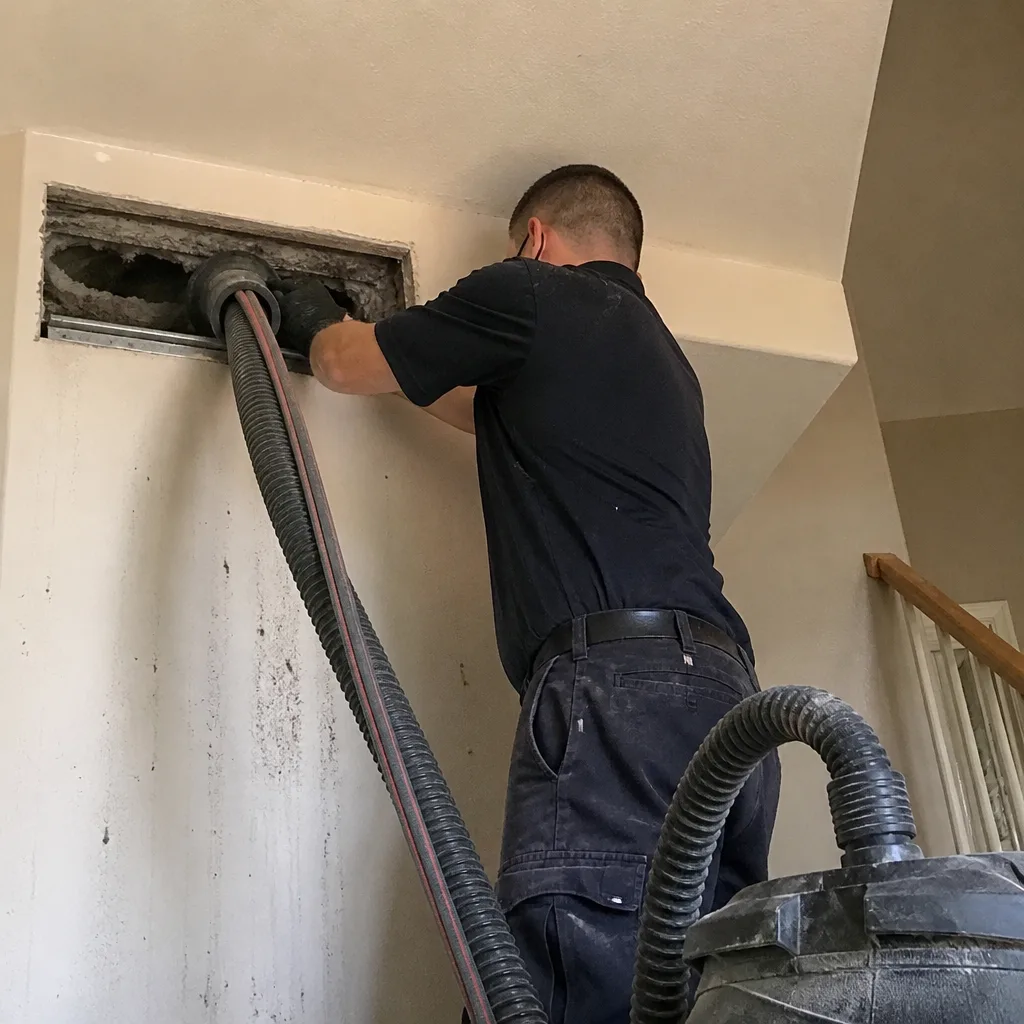 Before
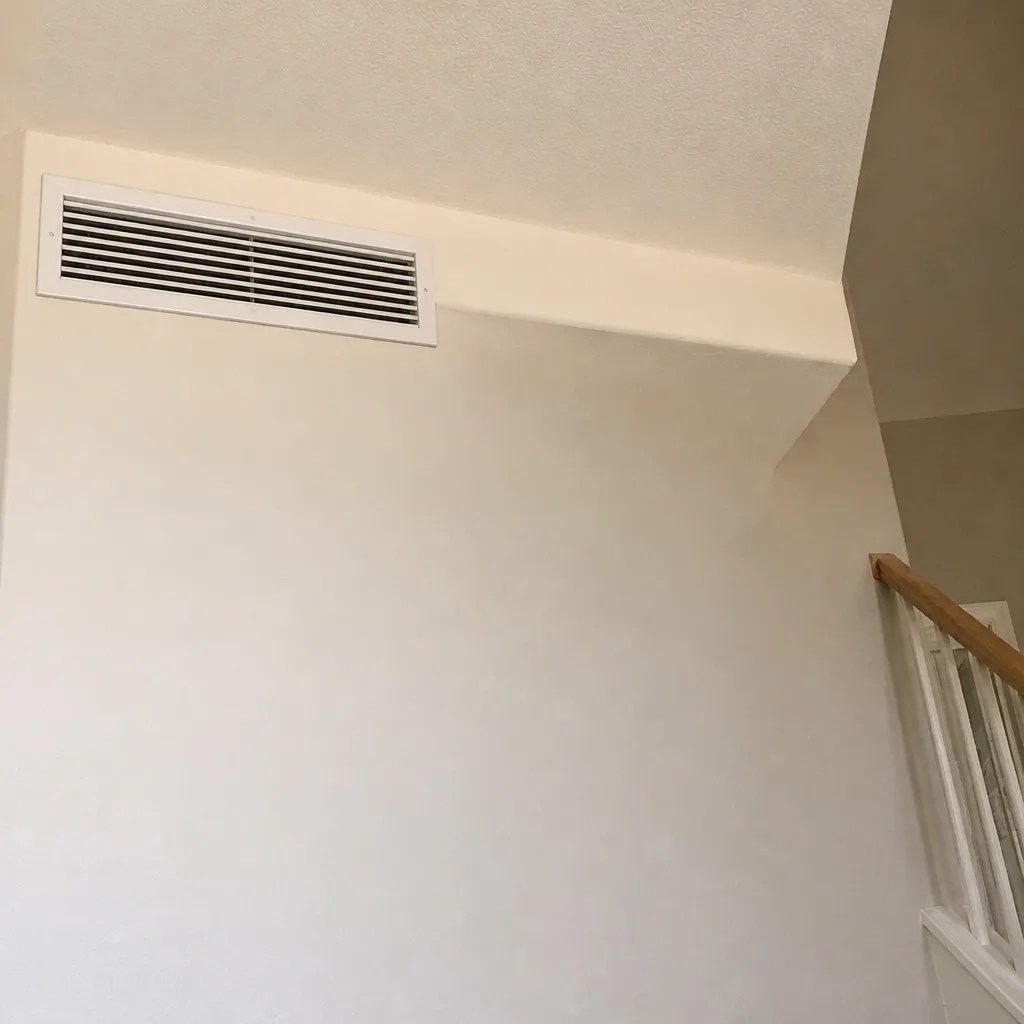 After
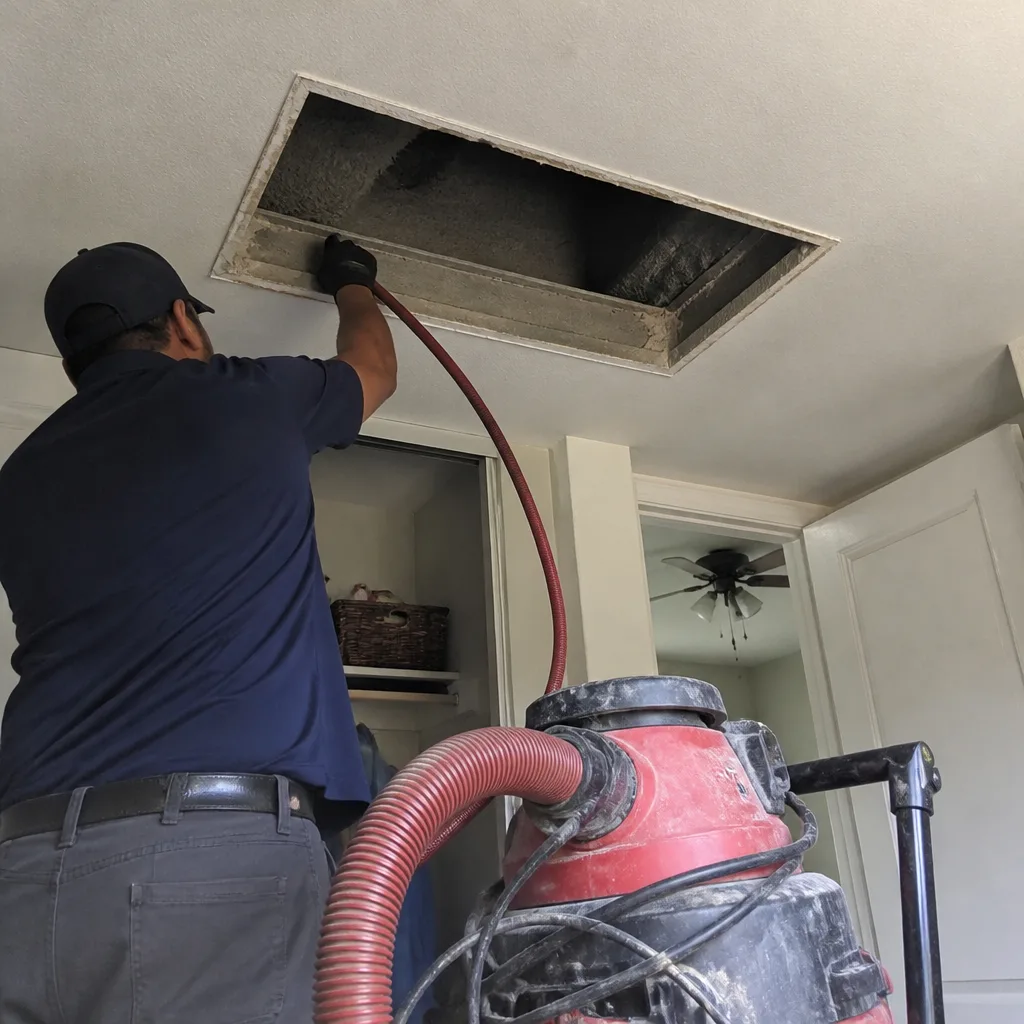 Before
 After
 Before
 After