
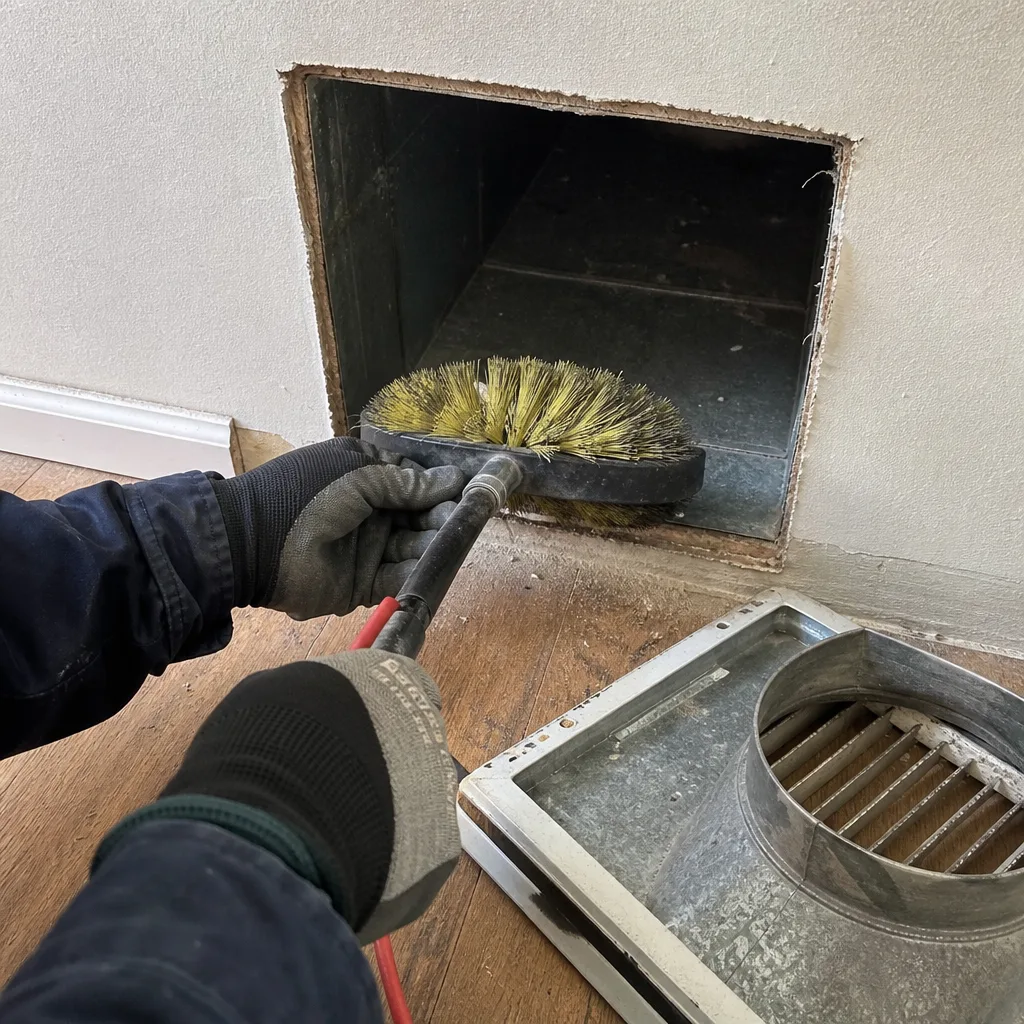
Last updated November 4, 2026
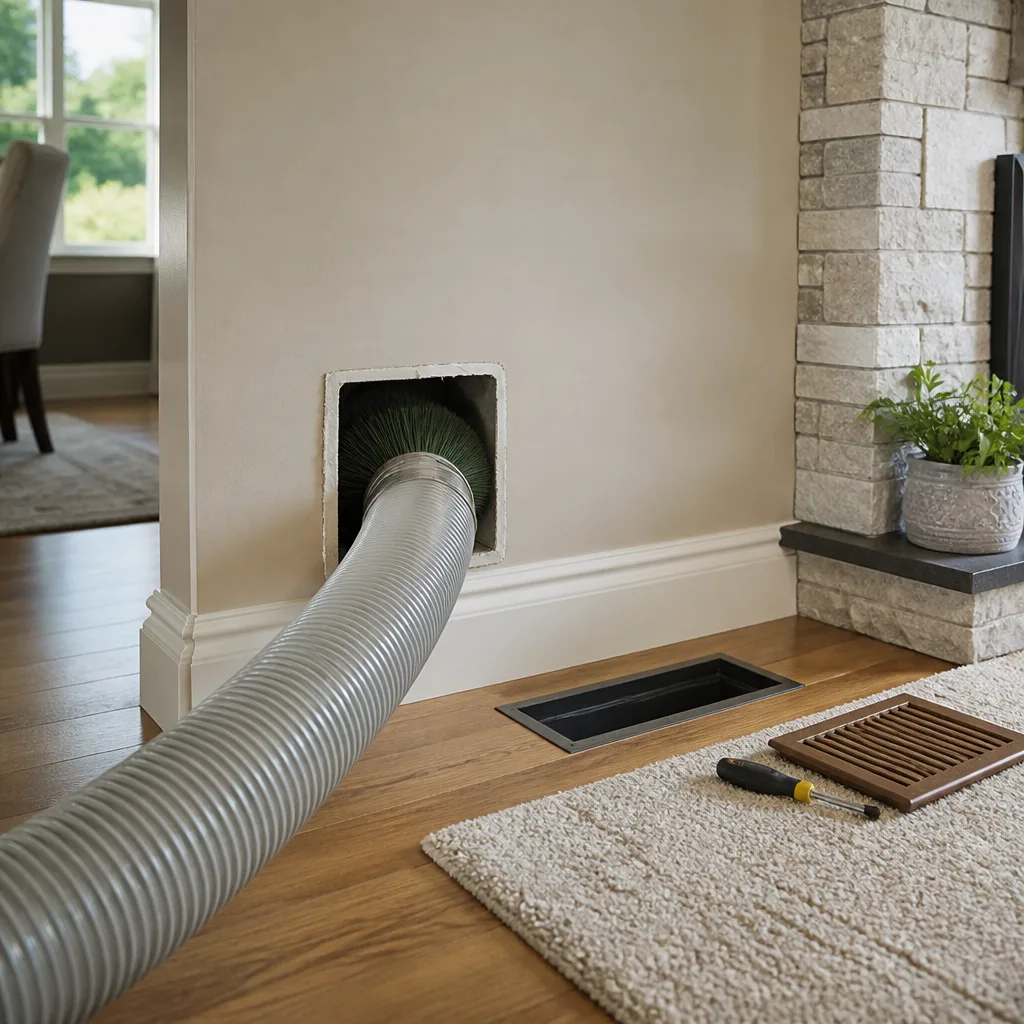 Whole-home duct cleaning
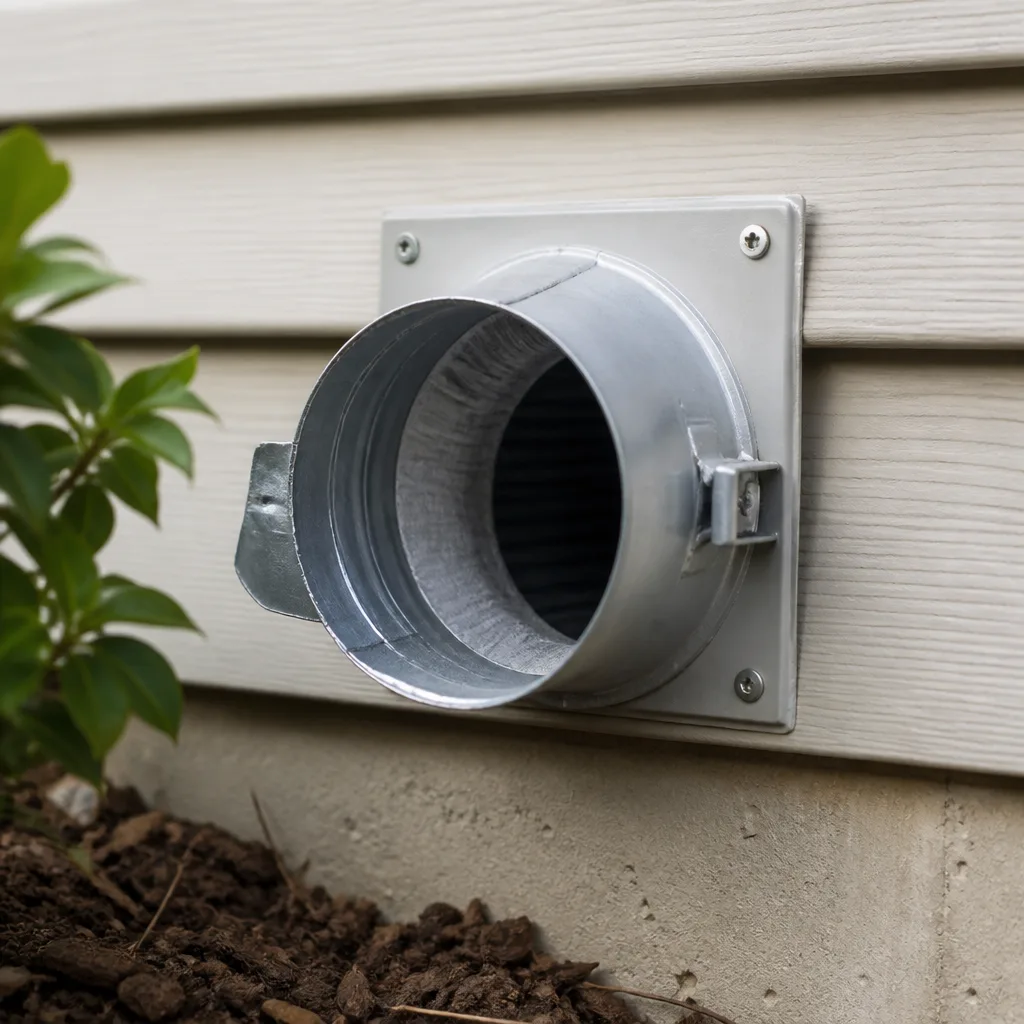 Dryer vent cleaning
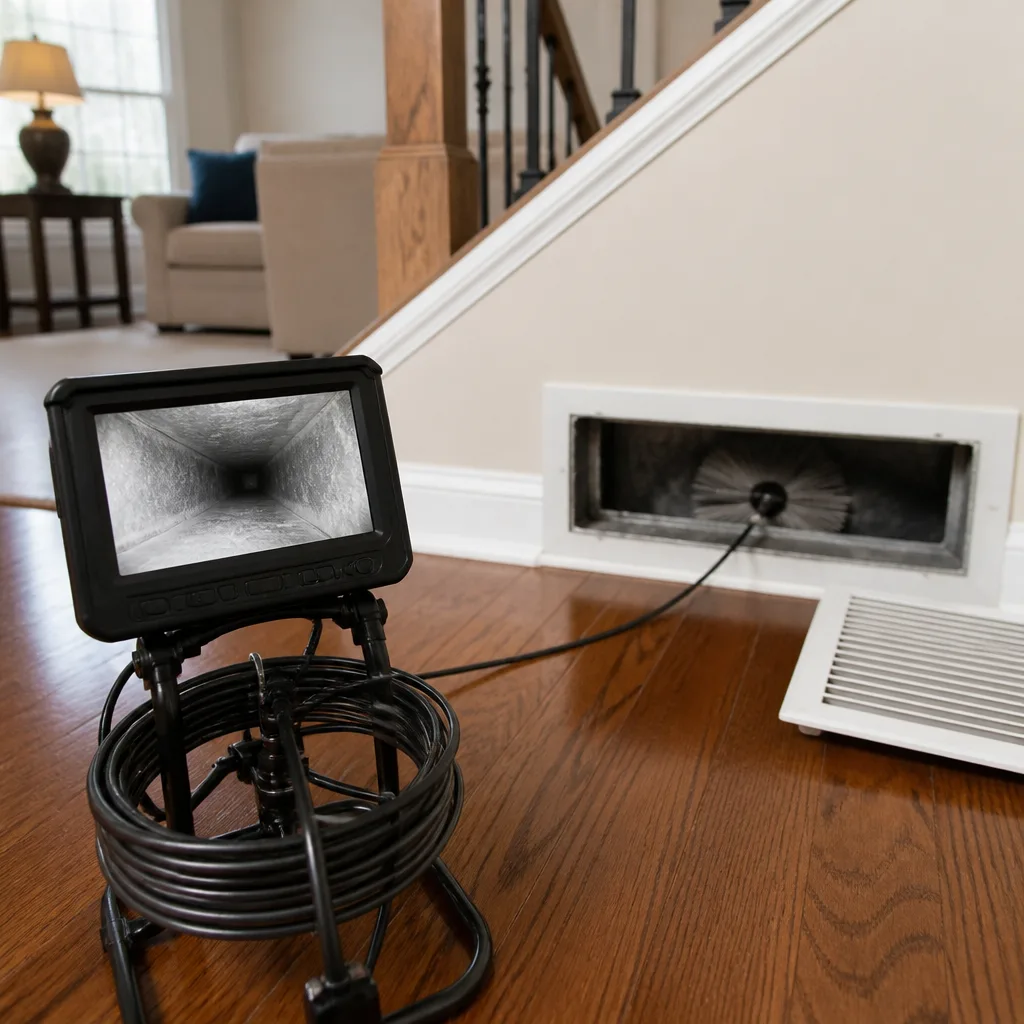 Camera inspection
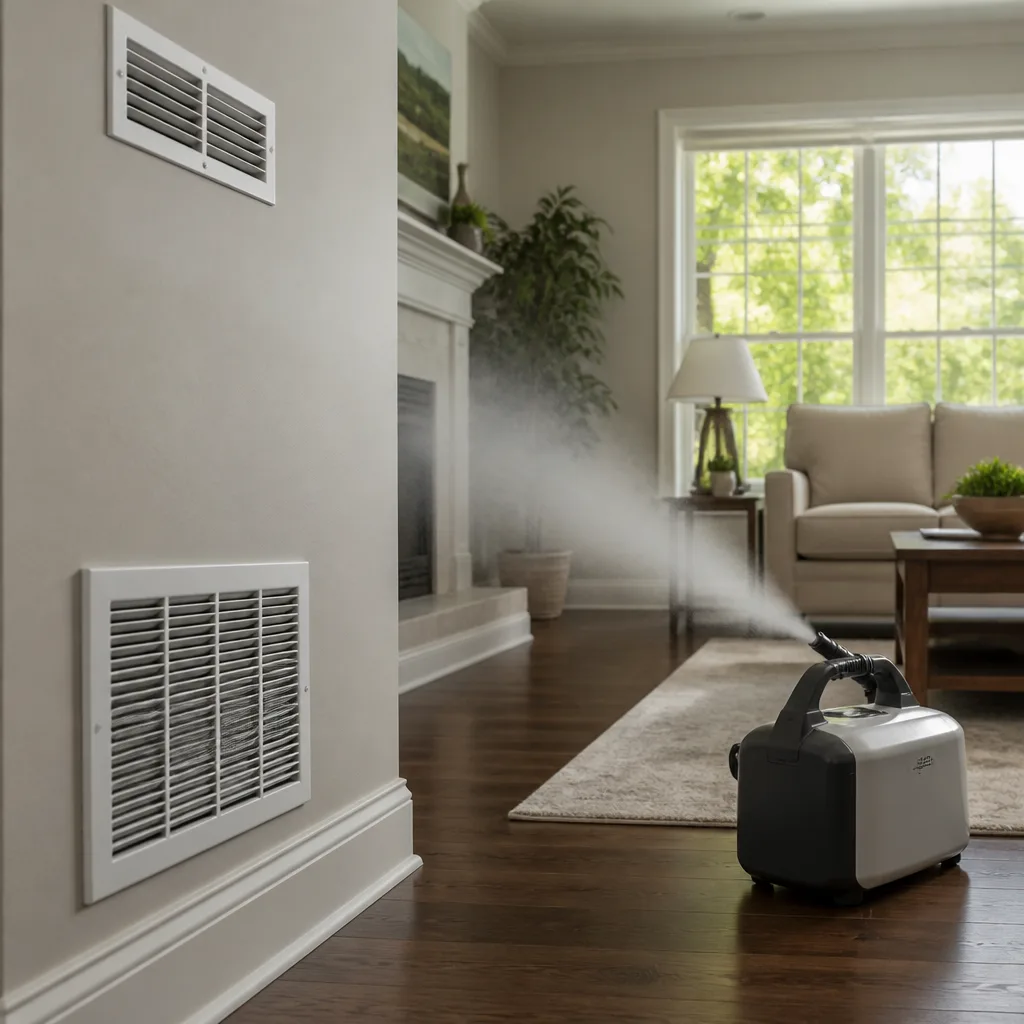 Sanitizing & deodorizing
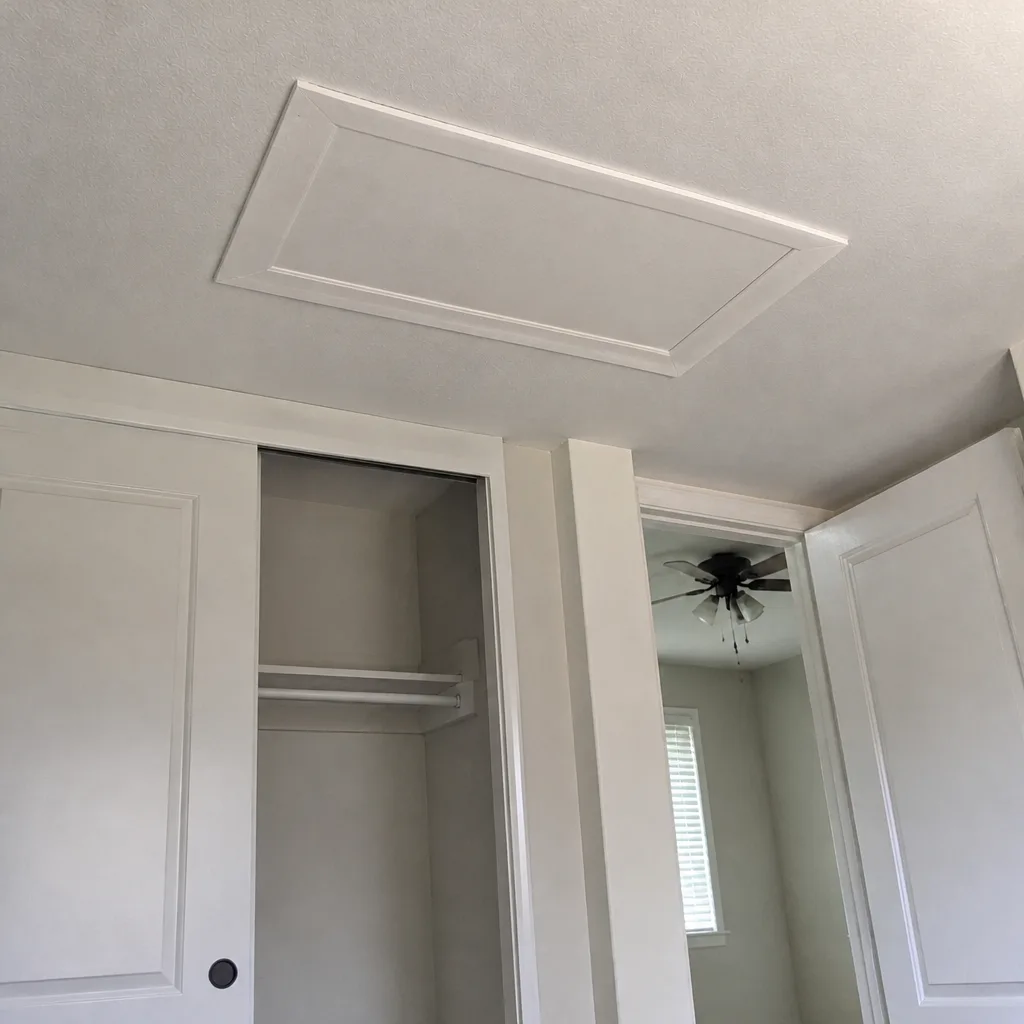
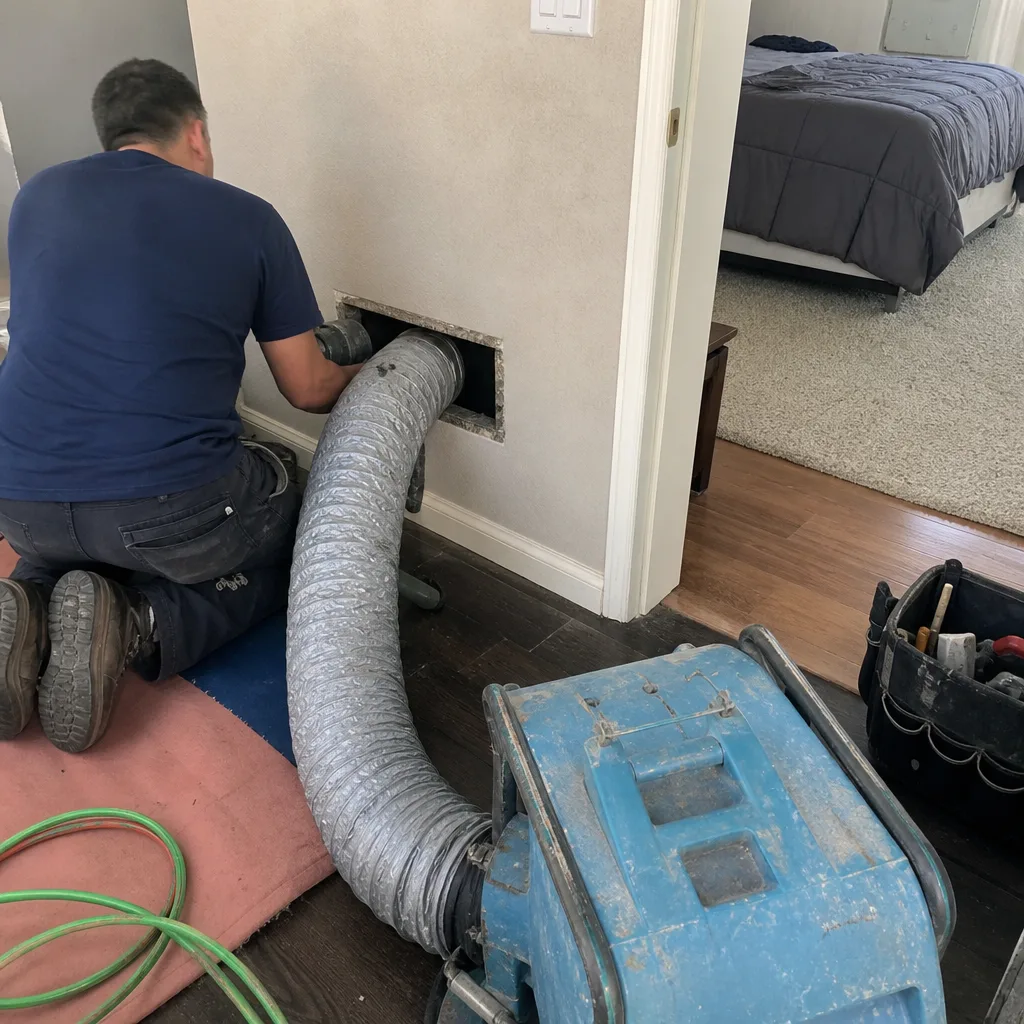
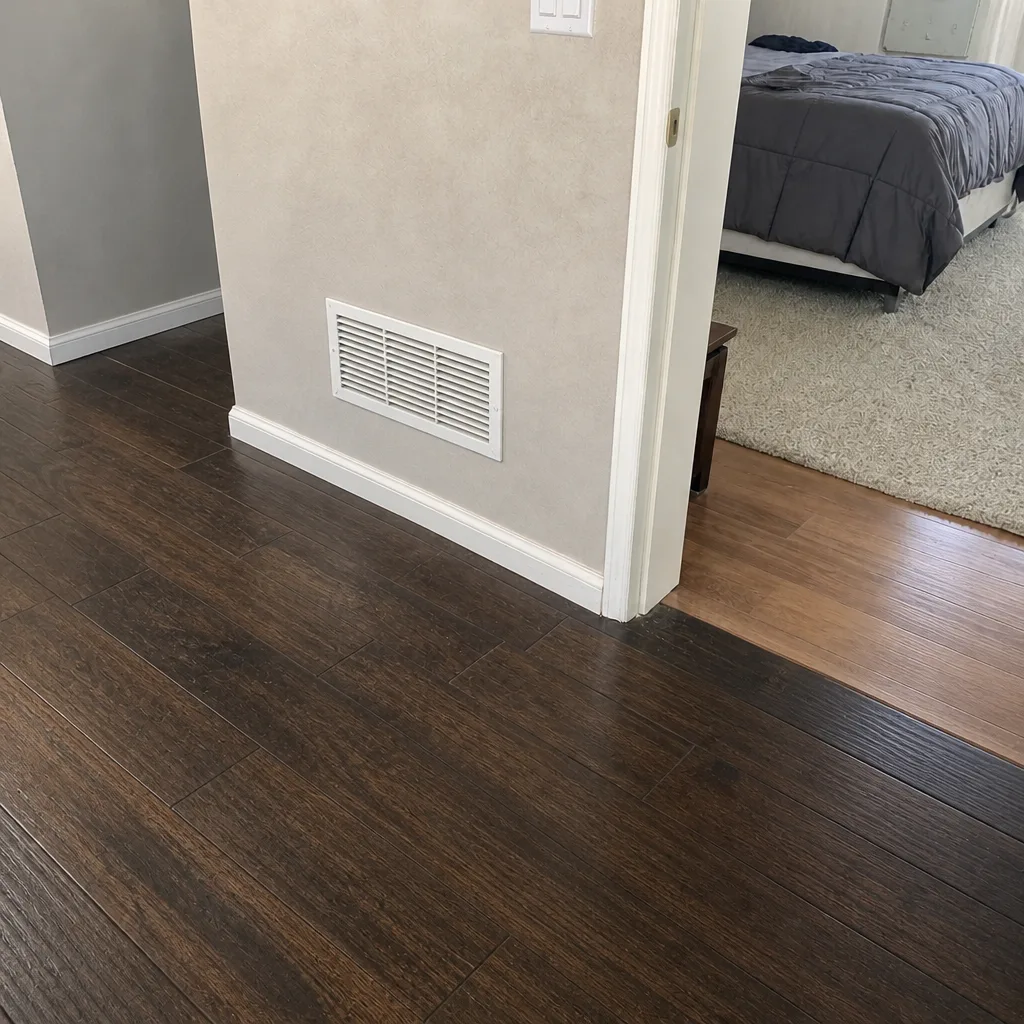
Whole-system duct and dryer vent check with before-and-after photos - you see exactly what came out of your vents
That "$99 whole-house special" is a bait ad - the real number appears once they are in your hallway, or the "clean" is a shop-vac at the register. We photograph the inside of your ducts before and after instead.
Choosing the Right Air Duct Cleaning Brand: A Buyer’s Guide for Downtown San Diego
Most homeowners in Downtown San Diego will never see the inside of their own ductwork, yet they’re asked to trust a contractor’s word about what was removed, what was applied, and whether the job actually improved their air. The equipment brands on the truck tell you more about what you’re actually buying than any marketing brochure ever will. This guide explains the real difference between the machines and treatment products contractors use, how to verify them before work starts, and why the brand question matters more in a dense urban market like Downtown San Diego than it does almost anywhere else.
Styles & brands we work with
- Whole-home duct cleaning
- Dryer vent cleaning
- Camera inspection
- Sanitizing & deodorizing
Quick Answer
The right air duct cleaning brand for your Downtown San Diego home is determined by two things: the equipment system used for extraction and agitation, and the treatment products applied to internal surfaces after cleaning. Professional-grade systems from Rotobrush and Nikro remove measurably more particulate than consumer vacuums or rotary-shop-vac combos, while EPA-registered sanitizers and Guardsman protective treatments determine whether the improvement lasts beyond the appointment itself.
Table of Contents
- Why the Equipment Brand Actually Determines Your Result
- Rotobrush vs. Manual Brushing: Contact Agitation and Negative Pressure Explained
- Nikro Negative Air Machines: The CFM and HEPA Questions to Ask
- Air Quality Treatment Products: How to Evaluate What Goes Into Your Ducts
- What a Legitimate Downtown San Diego Duct Cleaning Crew Should Arrive With
- Matching Equipment Tier to the Job: Standard, Remediation, and Mold
- Common Mistakes to Avoid
- When to Call a Professional
- Frequently Asked Questions
- The Bottom Line
Why the Equipment Brand Actually Determines Your Result
Any contractor can say they use professional-grade equipment. But there’s a measurable difference between a technician running a Nikro negative-air machine with a Rotobrush agitation system and someone with a commercial vacuum and a cable whip. That difference shows up in your air quality, not on the invoice. In our experience across Downtown San Diego, the equipment question is the single most reliable predictor of whether a cleaning actually changes what you breathe or just moves dust around for an afternoon.
The physics are straightforward. Duct cleaning has two jobs: break particles loose from duct surfaces and capture them before they re-enter your living space. A shop vacuum, no matter how powerful, cannot hold continuous negative pressure across an entire duct run while simultaneously agitating the surfaces. That’s why professional systems separate the two functions. The agitation source scrubs the duct walls. The negative air machine creates a sealed airstream that carries loosened debris directly to filtration. Skip either function and you get what the industry calls a cosmetic clean: the visible dust near the registers disappears, the stuff baked onto the duct walls stays put, and within weeks the airflow redistributes what was left behind.
Downtown San Diego adds a layer of consequence to this. Many of the condo towers, converted lofts, and pre-1980s apartment buildings in neighborhoods like Cortez Hill, East Village, and the Gaslamp Quarter share vertical chase ducts or long horizontal runs that have accumulated decades of tenant turnover. A surface-level cleaning in a shared duct environment doesn’t just underdeliver for one unit; it can redistribute particulate into connected units. The equipment tier you accept determines whether the job is a fresh start or a reshuffling.
Rotobrush vs. Manual Brushing: Contact Agitation and Negative Pressure Explained
The Rotobrush system is built around a rotary brush head that travels down the duct while the same machine maintains continuous vacuum extraction. That combination of contact agitation and simultaneous negative pressure is what separates it from sequential methods, where a technician brushes first, then vacuums, then moves on. The problem with sequential sweeping is time: what gets loosened in minute one has minutes to resettle before extraction catches up. Rotobrush captures at the point of contact.
Here’s what that means in practical terms for a Downtown San Diego homeowner:
- Continuous extraction prevents redistribution. The moment the brush head knocks debris off a duct wall, the airstream is already moving it toward the filtration system. There is no window for resettling.
- Contact agitation reaches what air alone cannot. Film buildup, pet dander that has adhered to oily residues, and construction dust from renovations in East Village lofts all require mechanical contact to release. Airflow alone, even at high CFM, will not remove adhered particulate.
- Self-contained design suits high-rise logistics. Downtown San Diego ductwork often lives behind drywall, above dropped ceilings, or in tight mechanical closets. Rotobrush’s integrated design travels through long runs without requiring a second vacuum connection at every access point.
We use Rotobrush in our air duct cleaning work precisely because it mirrors what restoration contractors use on post-fire and post-flood projects. The same rotary agitation principle scales down from commercial remediation to a one-bedroom condo without changing the physics.
Nikro Negative Air Machines: The CFM and HEPA Questions to Ask
Nikro equipment is the standard reference point in the restoration industry for negative air machines. These are not vacuums in the household sense. They are ducted air movers that pull a sealed airstream from inside the ductwork through a filtration bank and exhaust it outside or through HEPA filtration. When a contractor says they use Nikro, ask two specific questions: what CFM in negative pressure does the unit maintain, and what filtration stage is on the exhaust side.
CFM, or cubic feet per minute, tells you how much air the machine moves. A Nikro unit designed for duct cleaning typically runs in a range far above what a consumer vacuum can sustain in negative pressure mode. The number differs by model, so don’t accept a vague answer. Ask the contractor to state the CFM of the machine they will bring. A professional who knows their equipment will answer without hesitation. A dispatcher who has never seen the truck will fumble.
The filtration question matters equally. HEPA filtration captures 99.97% of particles at 0.3 microns, which is the standard for any legitimate negative air setup. Some contractors run a two-stage filter: a coarse pre-filter catches larger debris, a HEPA final stage catches the fine particulate. Others run a third carbon stage for odor control. The key is that the air leaving the machine is cleaner than the air entering it. If a contractor cannot name their filtration stages, you’re not talking to a specialist.
Ask these questions before work starts:
- What is the CFM rating of the negative air machine you’ll use?
- Is the final filtration stage HEPA?
- Will the machine exhaust outside or through the filter bank?
- How many filtration stages does the unit run?
For Downtown San Diego high-rises, the exhaust question has a practical dimension. A properly configured negative air setup can exhaust through a window or balcony door, keeping captured particulate out of the living space entirely. In buildings where window exhaust is not possible, the HEPA final stage becomes the only line of containment. Ask the question before you book.
Air Quality Treatment Products: How to Evaluate What Goes Into Your Ducts
Cleaning removes what’s already there. Treatment determines what happens next. After the mechanical extraction is done, many duct surfaces in Downtown San Diego homes show the same underlying condition: dry, porous galvanized steel or flex duct that has been holding onto particulate for years. A treatment product works on the surface itself, either sanitizing it or leaving a protective barrier that slows re-accumulation.
The critical distinction is between EPA-registered sanitizers and unverified deodorizer sprays. An EPA-registered sanitizer has gone through efficacy testing for specific microbial claims. It has a registration number on the label. Unverified deodorizer sprays have no such number; they cover odor without addressing the source. Some contractors substitute the latter because it’s cheaper and smells pleasant for a few days. The smell fades, the underlying condition remains.
Guardsman protective treatments occupy a different category. They’re not sanitizers; they’re surface protectants designed to coat duct interiors and make it harder for new particulate to adhere. In our Blackstone Air Duct Cleaning work, we offer Guardsman as an optional protective step after the mechanical clean. It’s not a substitute for proper cleaning, and no honest contractor will frame it that way. But once the surface is fully cleaned, a protective coating changes how the next six months of occupancy affects the ducts.
Ask to see the product label before any treatment is applied. The label should show an EPA registration number for any sanitizing claim. If the product makes no claims, the contractor should be able to tell you exactly what it does and why they chose it over a less expensive option. Vague answers are a red flag.
What a Legitimate Downtown San Diego Duct Cleaning Crew Should Arrive With
You can verify equipment quality before the work starts and when the crew arrives. A legitimate professional duct cleaning crew in Downtown San Diego will show up with identifiable systems, not unmarked consumer equipment. Here’s what to look for on arrival day:
- A named agitation system. Rotobrush or equivalent rotary brush equipment. If the technician’s agitation tool is a drill attachment or a flexible cable whip, that’s a manual system being passed off as professional-grade.
- A standalone negative air machine. This will be a box unit with ducting connections, not a truck-mounted vacuum or a portable shop vac. Ask for the CFM rating and filtration stages if they’re not volunteered.
- Access to the treatment products. The sanitizers and protective treatments should be in labeled containers in the truck, not produced from an unmarked spray bottle. You have the right to see the label and the EPA registration number before application.
- Camera documentation capability. Ask whether the crew can show you before-and-after images from inside the ducts. A professional operator will have inspection camera access. If they can’t document the interior, you can’t verify the result.
- Containment plan for your unit. In Downtown San Diego condos and lofts, the duct runs often sit inside walls shared with neighbors. The crew should explain how they’ll seal the work area and prevent cross-contamination between units.
The verification step matters because the duct cleaning industry has a documented bait-and-switch problem. A lowball quote based on a shop vacuum changes to a higher bill once the technician sees the actual ductwork. By verifying equipment before the appointment, you filter out most of the contractors who would underdeliver. The crew that shows up with Nikro and Rotobrush gear has made a capital investment in doing the job correctly. They’re not going to trash that investment with a rushed job.
Matching Equipment Tier to the Job: Standard, Remediation, and Mold
Not every Downtown San Diego duct job requires the same equipment tier. A standard maintenance clean in a two-year-old East Village tower needs less than a post-renovation cleanup in a Cortez Hill loft that just had drywall dust pulled through the return side for eight weeks. Understanding the tiers helps you avoid paying for remediation-level service when a standard clean will do, and more importantly, avoid accepting a standard clean when remediation-level equipment is required.
Standard cleaning uses rotary brush agitation plus negative air extraction. This handles routine dust, pet dander, hair, and light debris. The Rotobrush system at this tier is running a standard brush head and standard extraction.
Post-construction or post-renovation cleaning is a different job. Drywall dust is extremely fine, abrasive, and pervasive. It coats every surface including the inside of the ductwork, the blower wheel, and the coil. This tier often requires a more aggressive agitation pass and extended negative air run time. Some contractors use Abatement Technologies equipment at this tier, particularly when the dust load is high enough to overwhelm standard filters. Abatement equipment is designed for containment scenarios: high particulate loads, negative pressure containment, and serious contamination situations beyond routine cleaning.
Mold treatment and contamination remediation is the highest tier. This requires HEPA negative air, containment barriers, and sanitizer application with verified efficacy for the specific microbial contaminant. In a Downtown San Diego condo where a leak went unreported and mold grew inside a shared duct run, this is the only legitimate approach. Standard cleaning equipment will not do the job, and attempting it can aerosolize spores into the living space.
When you call a contractor, describe what’s actually going on. If you just renovated, say so. If you see visible mold around a register, say so. If you smell mustiness only when the system runs, say so. The equipment tier should match the job, and a specialist will adjust based on what you tell them.
Common Mistakes to Avoid
- Booking on price alone without asking about equipment. The lowest quote in Downtown San Diego is often the one that shows up with a portable vacuum and an hour to spend. What you save on the invoice you lose in the result.
- Accepting “we use commercial vacuums” as a substitute for a named system. A commercial vacuum is still a vacuum. You need contact agitation and negative air extraction, not suction alone.
- Skipping the EPA registration check on treatment products. Unverified deodorizer sprays are cheap and smell nice for three days. They do not sanitize anything and they do not protect the surface.
- Not asking about the access method before work starts. In Downtown San Diego high-rises, duct access often means cutting into drywall or working through a tight mechanical closet. A contractor who shows up without a plan for access will either underdeliver or leave you with a drywall repair.
- Treating dryer vents as part of the HVAC cleaning. Dryer vent cleaning is a separate fire-prevention service with different equipment needs. If a contractor bundles it as an “add-on” for a small fee, ask what ventilation-specific tools they’ll use. A legitimate dryer vent cleaning uses dedicated rotary equipment designed for the narrow vent diameter, not the same brush head used in HVAC ducts.
- Failing to verify before-and-after documentation. If the crew cannot show you the inside of your ducts before and after the work, you have no way to verify anything was actually removed. Camera documentation is not optional.
- Ignoring the long-term air quality products. A cleaning is a one-time event. Honeywell and Aprilaire filtration and whole-home air quality products change the ongoing condition. If you’re serious about indoor air quality in Downtown San Diego, treat the cleaning as one component, not the whole solution.
When to Call a Professional
You can inspect your own registers and change your own filters, but duct cleaning is not a DIY project in any meaningful sense. The duct runs inside the walls, floors, and ceilings of Downtown San Diego buildings are inaccessible without specialized access equipment, and the extraction physics require professional-grade negative air systems. Call a professional if you’ve just completed a renovation, if visible dust accumulates on registers within days of cleaning, if someone in the home has unexplained respiratory symptoms that improve when they leave the unit, if you smell mustiness only when the system runs, or if your dryer takes longer than 45 minutes to dry a normal load. Blackstone Air Duct Cleaning offers free estimates in Downtown San Diego. Call (866) 282-6412 and we’ll assess what your ducts actually need. We answer 24/7. Fast dispatch from 7am to 7pm, Sunday through Friday.
Frequently Asked Questions
The two names that matter most in professional duct cleaning are Rotobrush for contact agitation with integrated extraction and Nikro for negative air machines with HEPA filtration. These are the systems restoration contractors use on commercial and post-disaster projects, and they’re the standard reference point for anyone serious about residential duct cleaning in Downtown San Diego.
Ask for the model name and CFM rating of the negative air machine before the appointment, and confirm the agitation system by name when the crew arrives. A legitimate operator will show you the equipment and explain the filtration stages without hesitation. Call (866) 282-6412 if you want a contractor who will answer these questions directly.
Not in every case, but if a contractor offers a sanitizer, it should carry an EPA registration number on the label. Unregistered deodorizer sprays mask odor without addressing the source. In post-remediation or mold situations, an EPA-registered sanitizer with efficacy for the specific contaminant is not optional; it’s the whole point of the treatment tier.
Pricing depends on the number of systems, the size of the ductwork, the access difficulty, and the equipment tier required. A standard clean of a single condo system runs at a different price than a post-renovation duct restoration with multiple access points and HEPA containment. The written estimate should spell out exactly what’s included, and the final price should match what was agreed before work starts. Estimates are free; call (866) 282-6412 and we’ll walk you through it.
Professional duct cleaning removes accumulated particulate that recirculates through your HVAC system every time it runs, which can reduce the allergen load in your indoor air. The improvement is most noticeable in Downtown San Diego homes with pets, recent renovations, or older duct systems that haven’t been cleaned in years. Whole-home filtration products from Honeywell and Aprilaire extend that improvement between cleanings.
Every 3 to 5 years is the standard interval for most homes, with more frequent cleaning for homes with pets, smokers, recent renovations, or residents with respiratory conditions. Downtown San Diego condos and high-rises with shared duct runs may need more attention depending on building turnover and construction activity in neighboring units.
The Bottom Line
The air duct cleaning brand question isn’t about logos or marketing. It’s about the physical systems that determine what gets dislodged, what gets captured, and what gets left behind. Rotobrush and Nikro equipment do things that consumer vacuums and cable whips physically cannot, and EPA-registered treatment products from Guardsman and others change whether your clean lasts months or weeks. Downtown San Diego’s dense housing stock makes the equipment question more consequential than in a single-family suburb; shared ducts and vertical chases don’t forgive sloppy work. If you’re going to pay for the service, verify the equipment, ask the filtration questions, and demand documentation. The invoice shouldn’t be your only record of what happened inside your walls.
Written by the team at Blackstone Air Duct Cleaning, serving Downtown San Diego since 2018.
See the difference
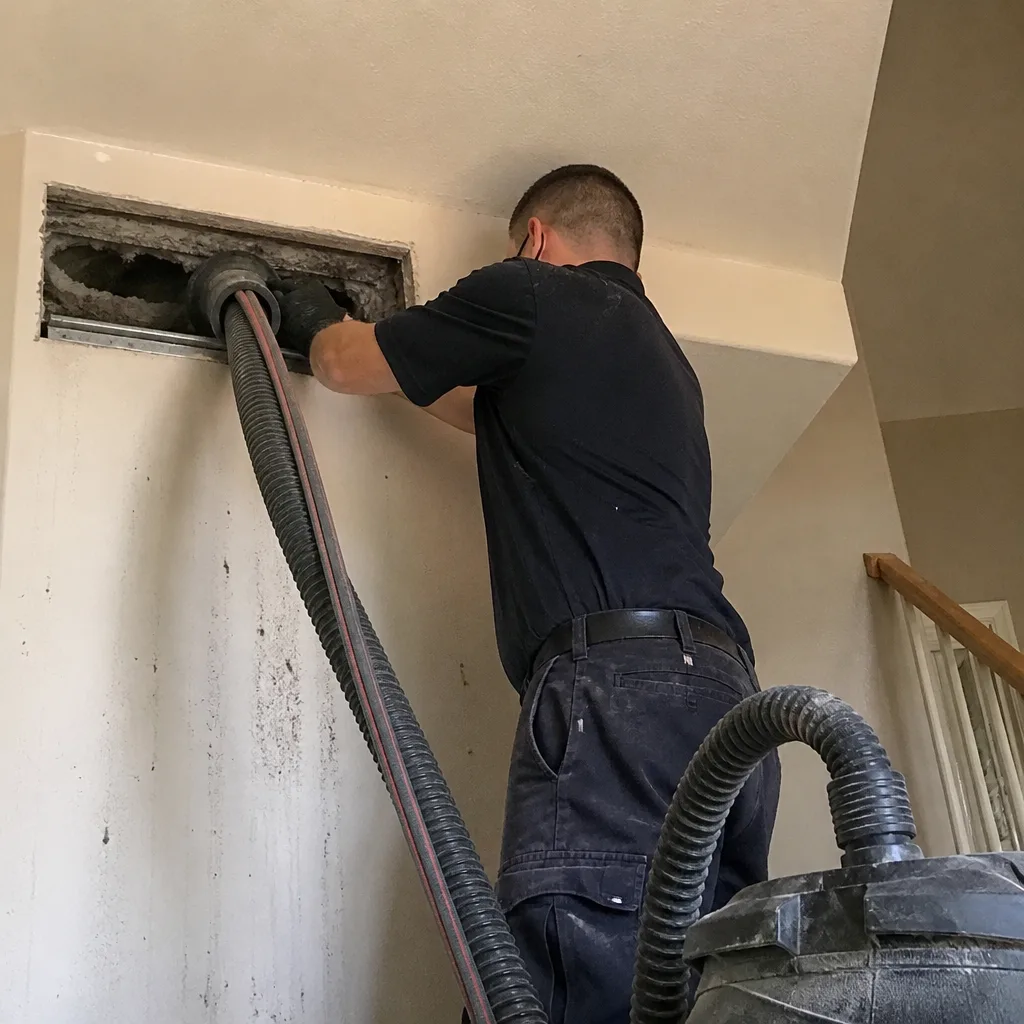 Before
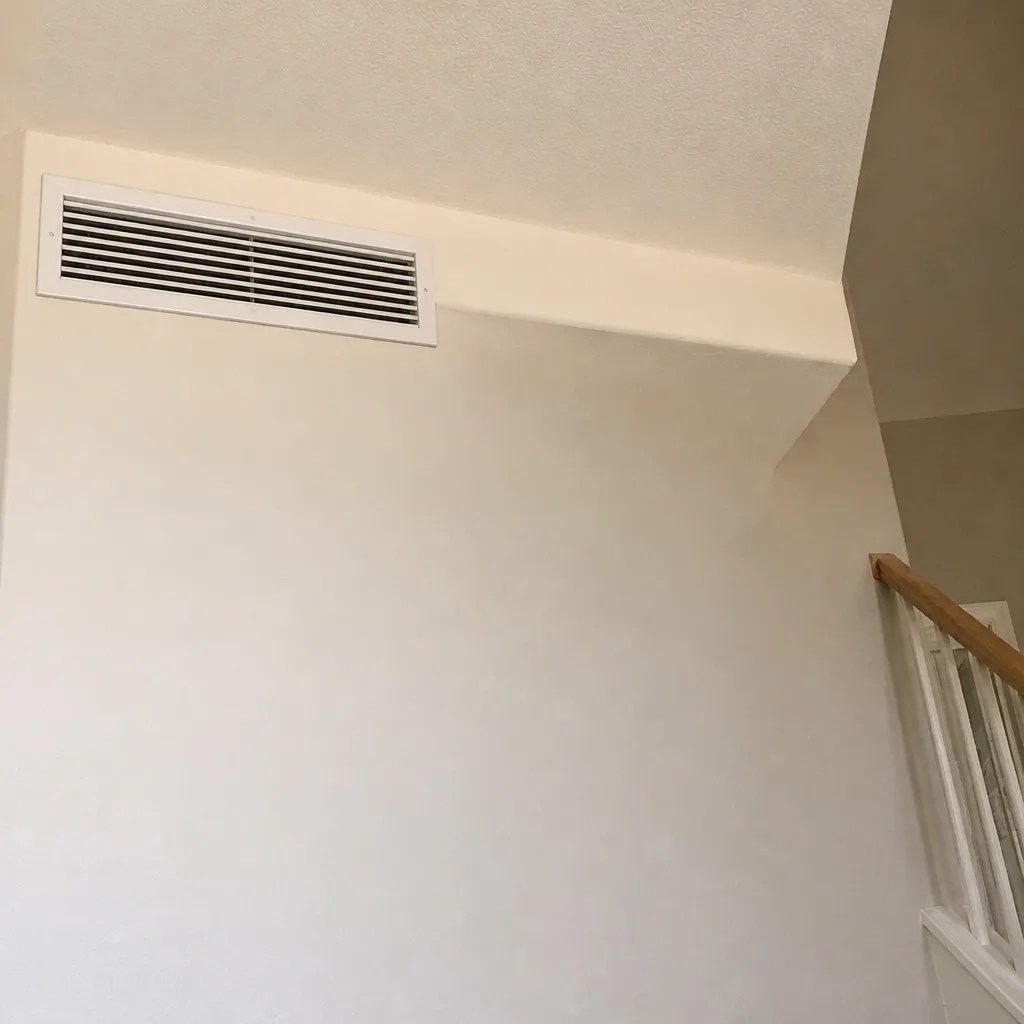 After
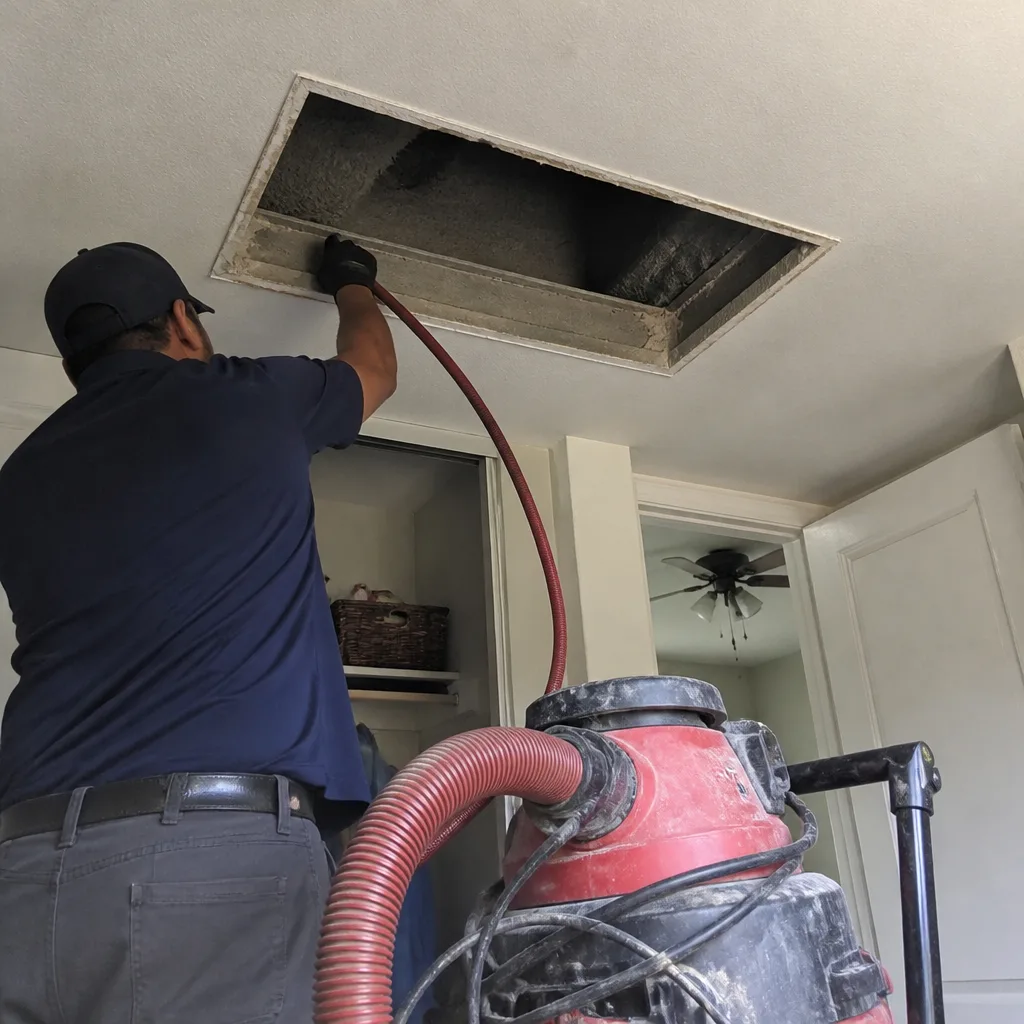 Before
 After
 Before
 After