
Last updated November 4, 2026
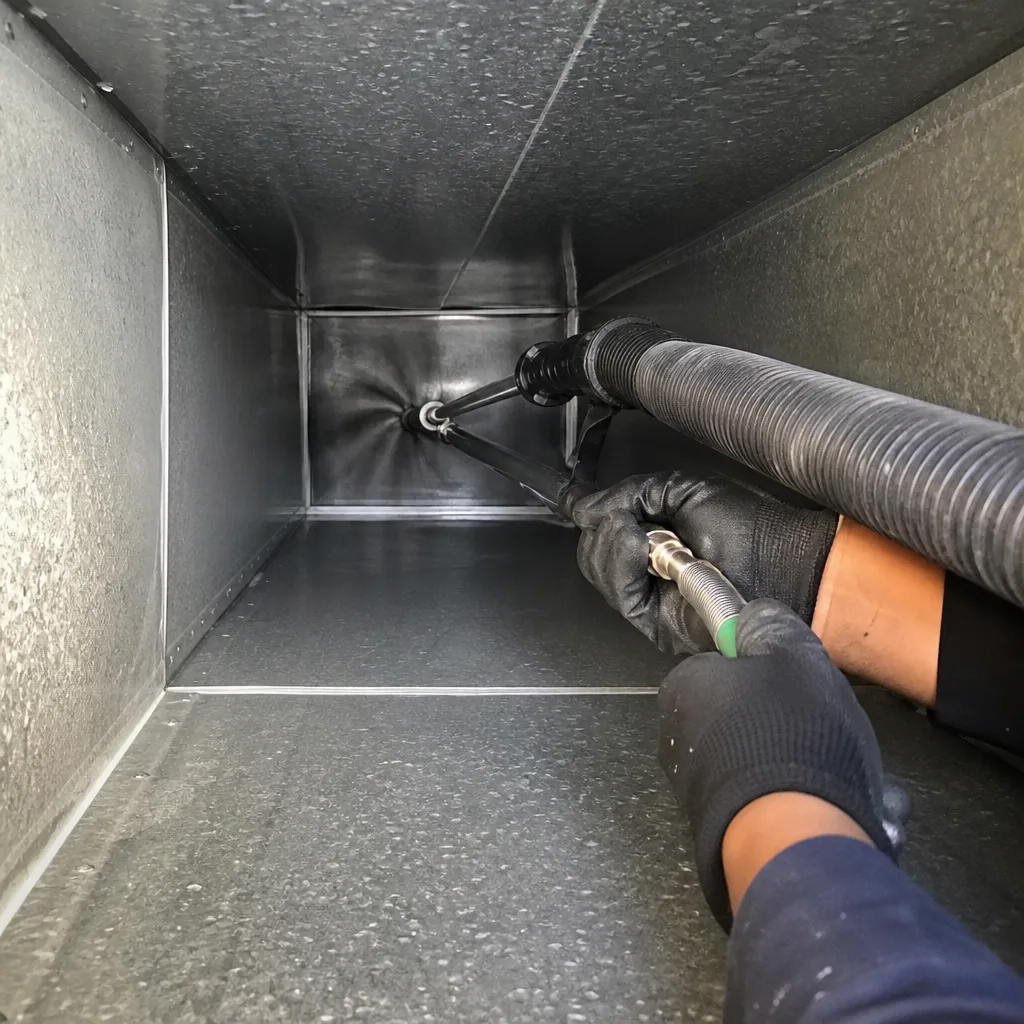
 Whole-home duct cleaning
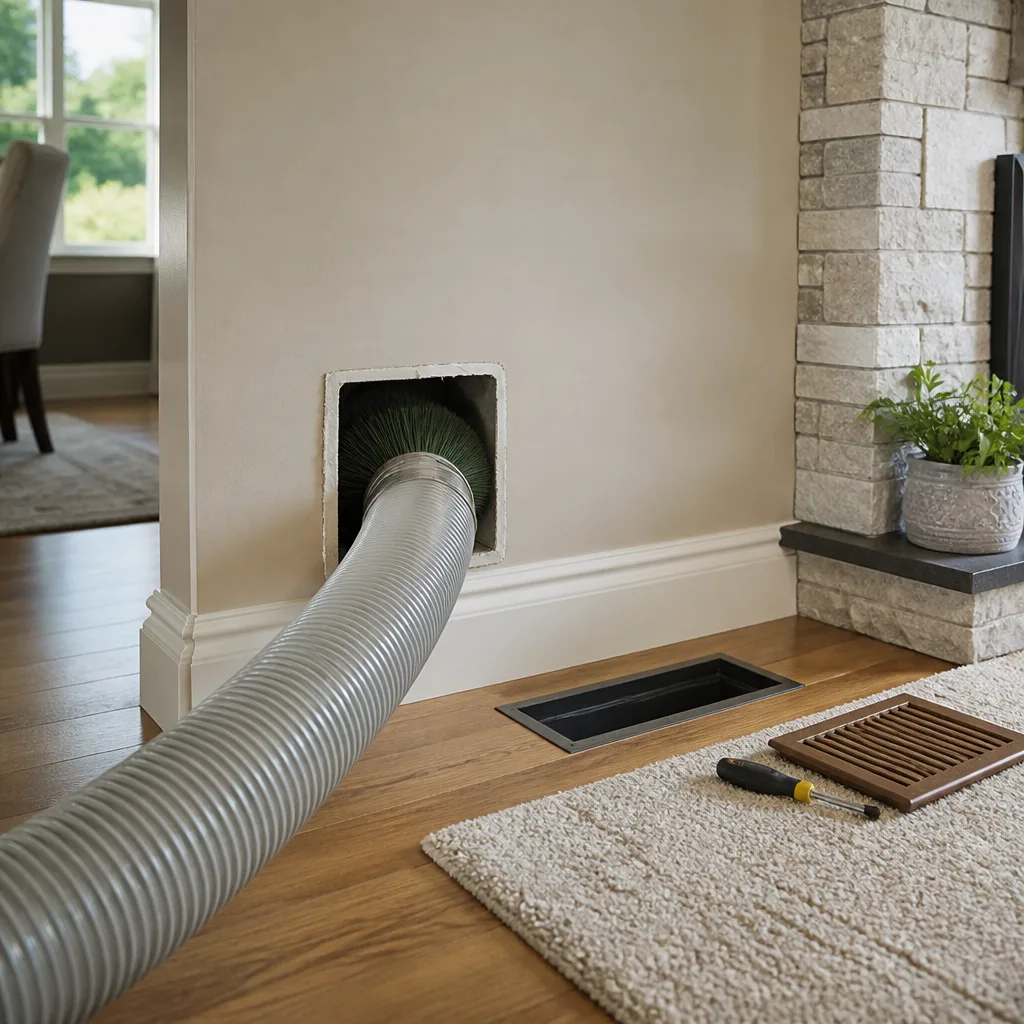
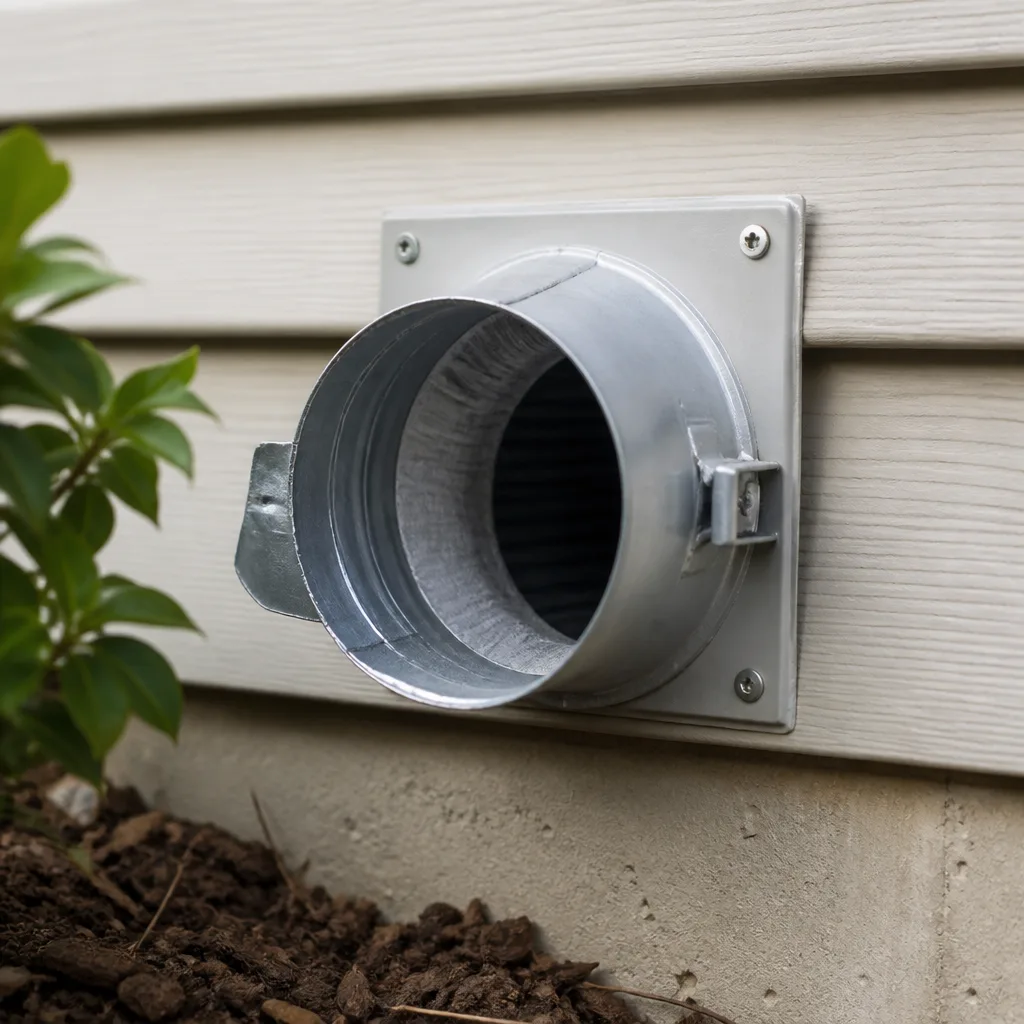 Dryer vent cleaning
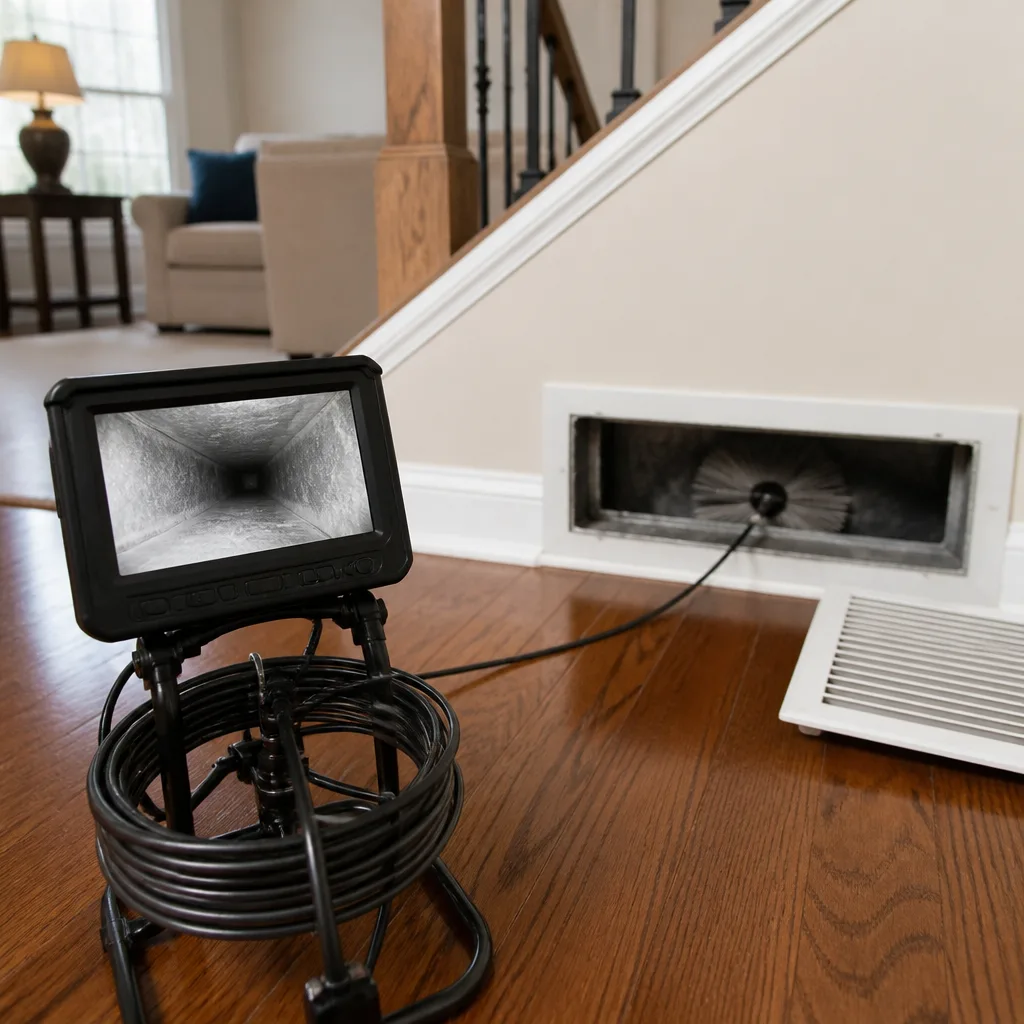 Camera inspection
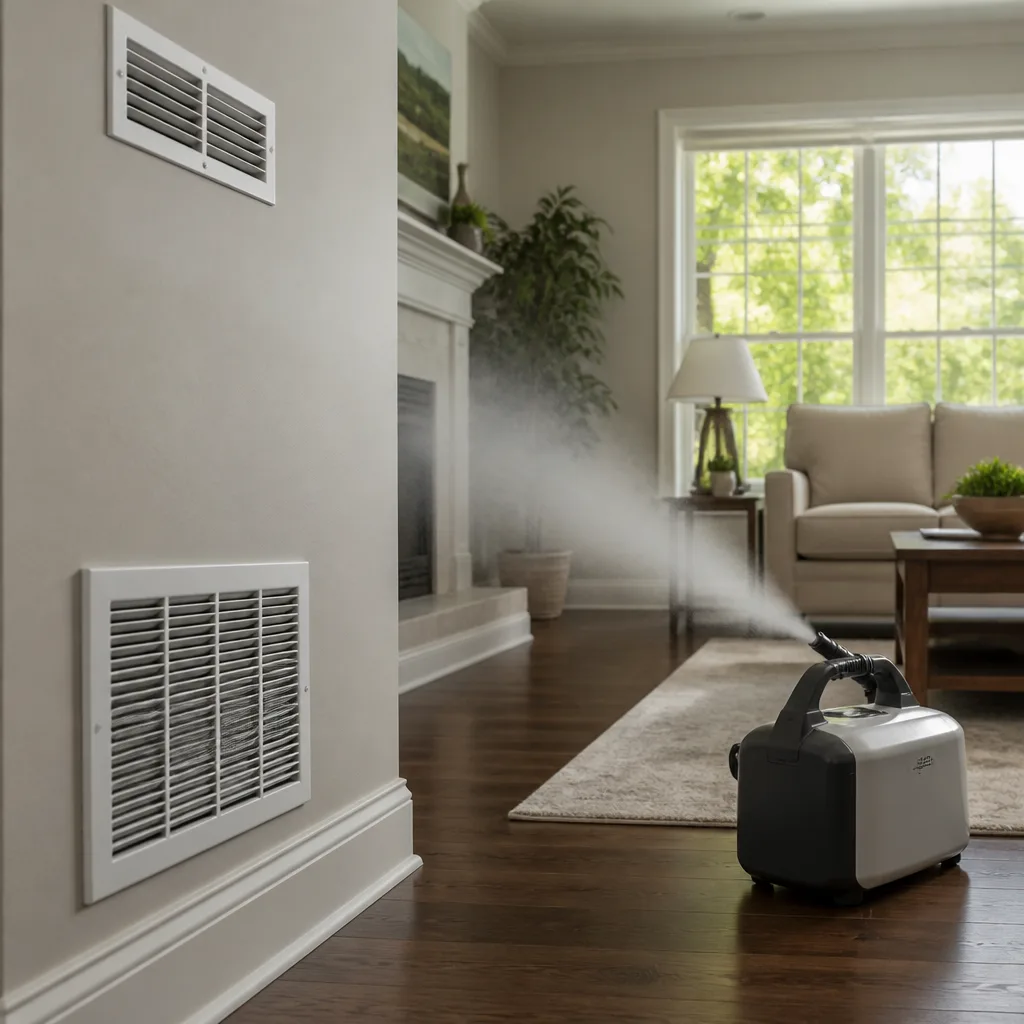 Sanitizing & deodorizing
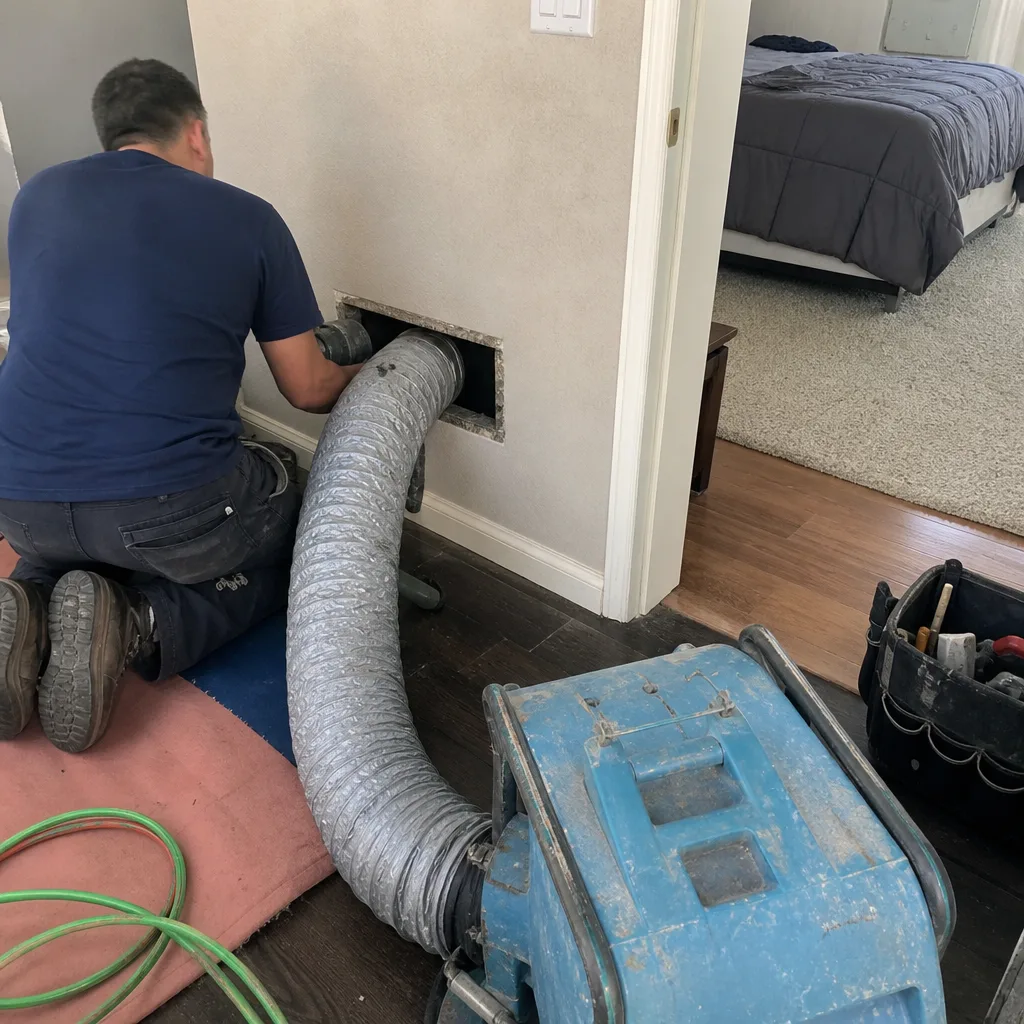
Whole-system duct and dryer vent check with before-and-after photos - you see exactly what came out of your vents
That "$99 whole-house special" is a bait ad - the real number appears once they are in your hallway, or the "clean" is a shop-vac at the register. We photograph the inside of your ducts before and after instead.
Air Duct Cleaning Permits, Codes & Inspections in Downtown San Diego, CA: What You Need to Know
Most homeowners assume that any work done inside their HVAC system is just maintenance, invisible to the city’s permitting desk. That assumption holds true for routine air duct cleaning, but it falls apart the moment a technician cuts into a duct run, replaces a section, or treats mold with antimicrobial chemicals. In Downtown San Diego, the line between “clean the system” and “modify the system” is where permits, code compliance, and liability begin. This guide walks through exactly where that line sits under the California Mechanical Code, what San Diego County’s air quality rules add to the picture, and what documentation you should demand before anyone touches your ducts.
Quick Answer
Routine air duct cleaning in Downtown San Diego requires no permit and no inspection under the California Mechanical Code or the San Diego Municipal Code. A permit becomes necessary when the work crosses into duct repair, replacement, or system modification, and San Diego County Air Pollution Control District rules add a separate layer for mold remediation and chemical treatments. Before any contractor performs more than a standard cleaning, ask for a written scope of work stating whether a permit is required and who is responsible for pulling it.
Styles & brands we work with
- Whole-home duct cleaning
- Dryer vent cleaning
- Camera inspection
- Sanitizing & deodorizing
Table of Contents
- When a Permit Is Required vs. When It Isn’t
- How the California Mechanical Code Defines Duct Work
- San Diego County Air Pollution Control District Rules for Remediation
- The Downtown San Diego Condo Layer: HOAs and Building Management
- Documentation to Request From Any Duct Contractor
- The NADCA ACR Standard: The Benchmark When No Permit Applies
- What an Inspection Actually Looks Like in Downtown San Diego
- How Permits Affect Insurance Claims and Resale
When a Permit Is Required vs. When It Isn’t
The practical rule in Downtown San Diego: cleaning is maintenance, modification is construction. The city uses the California Mechanical Code (CMC), which governs the mechanical systems in residential and commercial buildings, and that code draws a bright line between work that restores a system to its original condition and work that changes it. Standard air duct cleaning, where a technician uses rotary brush systems or negative-air vacuums to remove accumulated dust and debris from the interior surfaces of existing ducts, falls firmly on the maintenance side. No permit, no inspection, no plan check.
The picture shifts as soon as the work involves cutting into the ductwork. If a contractor discovers a collapsed section of duct, a rusted-out return plenum, or a disconnected trunk line and proposes to repair it, the repair becomes an alteration to the mechanical system. The City of San Diego’s Development Services Department requires a mechanical permit for any work that alters, replaces, or extends duct runs, including installing new registers, modifying the air distribution layout, or replacing sections of rigid duct with flexible duct. In a Downtown San Diego high-rise, where ducts run through rated chases and fire-rated assemblies, even a small section of replaced duct can trigger the requirement for a permit and an inspection of the fire dampers at the penetration points.
Key line items:
- Cleaning only (no permit): rotary brush cleaning, negative-air extraction, interior surface agitation, filter replacement, access panel use where panels already exist.
- Repair or alteration (permit required): replacing duct sections, resealing disconnected trunk lines, installing new collars or takeoffs, modifying duct sizing, adding or moving registers, replacing fire dampers.
- System addition (permit required): adding new duct runs to serve new rooms, extending the system into a converted space, or rebalancing the system by resizing existing ductwork.
We’ve walked into more than a few Downtown San Diego buildings where a previous contractor patched a duct with sheet metal screws and foil tape rather than pull a permit. The work held, but the homeowner was left holding an unpermitted repair that complicated a later sale. The cheapest fix on the front end is rarely the cheapest fix on the back end.
How the California Mechanical Code Defines Duct Work
The California Mechanical Code is specific about what constitutes duct work versus what counts as an appliance or a component. The code classifies ducts, plenums, and fittings as part of the air distribution system, and it sets standards for materials, installation, clearances, and fire protection. When a contractor in Downtown San Diego cleans your ducts, they are working within an existing, permitted system. The assumption baked into the code is that the system was installed correctly and permitted when the building was built or last remodeled.
That assumption matters because it frames the contractor’s legal position. A cleaning contractor who never cuts into the duct system is not altering anything, so they cannot accidentally create a code violation. A contractor who repairs or replaces duct sections without a permit can create a violation that belongs to the property owner, not the contractor. The California Mechanical Code places the permit obligation on the person performing the work, and the city can cite the property owner for work performed on their building. If the contractor disappears, the violation stays with the property.
In our experience, the most common unpermitted duct repairs in Downtown San Diego involve three scenarios:
- Collapsed flexible duct in a ceiling chase. A previous remodel compressed the duct, or a rodent chewed through it, and a handyman replaced the run with an off-the-shelf flexible duct from a big-box store.
- Disconnected return lines in older condo towers. Glue and tape age out, connections separate, and the “quick fix” is a reconnection that no one documents.
- Kitchen exhaust modifications. A homeowner replaces a range hood, and the contractor ties the new hood into the existing duct without checking whether the duct is sized correctly or whether a makeup air system is required under current code.
Each of those scenarios shifts the work from maintenance into modification. The California Mechanical Code requires that modification to be permitted, inspected, and documented. When we perform Blackstone Air Duct Cleaning work that stays within the cleaning scope, we will tell you that plainly. When the job crosses into repair, we will tell you that too, before any work begins.
San Diego County Air Pollution Control District Rules for Remediation
The San Diego County Air Pollution Control District (SDAPCD) regulates stationary sources of air pollutants within the county, and its rules become relevant when duct work involves more than dust. In particular, SDAPCD Rule 61.2 regulates volatile organic compound (VOC) emissions from certain cleaning and treatment products, and contractors who use antimicrobial chemicals, fungicides, or sealants inside duct systems must comply with the rule’s VOC limits and application requirements.
For a homeowner in Downtown San Diego, the practical takeaway is straightforward. If a contractor proposes to treat mold in your ducts with a chemical spray, a fogging agent, or an encapsulant, that work sits under a different regulatory umbrella than standard cleaning. The SDAPCD expects the contractor to use products that meet California’s VOC standards and to apply them according to the manufacturer’s instructions and the label directions. A contractor who cannot tell you which SDAPCD rule applies to their chemical treatment, or who cannot produce the product’s VOC data sheet, is not operating at the level this work requires.
Mold remediation inside duct systems can also trigger disposal requirements. If the remediation generates contaminated debris, that debris may need to be bagged, sealed, and disposed of according to local waste rules rather than simply vacuumed into a standard collection drum. The SDAPCD does not issue permits for residential mold remediation, but its VOC rules and the broader web of California Health and Safety Code provisions frame what a contractor may and may not spray inside your air distribution system. Equipment like Abatement Technologies negative-air machines and HEPA-filtered collectors is built for exactly this kind of contamination work, and it is the kind of gear we keep on hand for jobs that go beyond standard cleaning.
The Downtown San Diego Condo Layer: HOAs and Building Management
Downtown San Diego is a vertical city. The high-rise and mid-rise condo towers that define neighborhoods like the Gaslamp Quarter, East Village, Marina District, Cortez Hill, Little Italy, and Columbia District all impose a governance layer that single-family homeowners never face. That layer sits between you and any contractor working inside your unit, and it has opinions about duct work.
Most Downtown San Diego condo associations require a contractor to register with building management before performing any work in a unit, including work that requires no city permit. The registration process typically involves proof of insurance, a certificate naming the HOA as an additional insured, and sometimes a set of building-specific rules about working hours, elevator usage, and debris removal. The HOA’s concern is not whether your ducts are clean; it is whether a contractor’s work in your unit could affect a neighbor’s unit through shared chases, fire-rated assemblies, or the building’s central HVAC infrastructure.
The parallel approval layer gets more strict when the work crosses into repair territory. If a duct repair in a Downtown San Diego tower requires opening a wall or ceiling, the HOA’s architectural review committee or building engineer may need to sign off before the city permit is even applied for. If the repair touches a common element, such as a shared riser, a corridor chase, or a fire damper in a rated wall, the HOA may require that its own licensed contractor perform the work, or that the unit owner’s contractor carry additional insurance and follow the building’s fire-life-safety protocols.
Contractors rarely discuss this layer upfront, and that is a mistake. A Downtown San Diego condo owner who hires a cleaner for a standard duct cleaning session will usually move through the process without HOA friction. The same owner who discovers a separated duct in a shared wall and approves a repair without checking the HOA’s governing documents can find themselves with a stop-work order from building management and a contractor who cannot finish the job. Before any duct work that involves cutting, patching, or accessing shared spaces, ask the contractor: “Have you worked in this building before, and do you know the management office’s contractor requirements?” A specialist who has navigated the towers of Downtown San Diego will answer that question without hesitation.
Documentation to Request From Any Duct Contractor
Documentation is where a professional separates from a guy with a vacuum and a receipt pad. The paperwork you receive should match the scope of the work performed, and it should be detailed enough to stand up to scrutiny from a future buyer’s home inspector, an insurance adjuster, or a city code enforcement officer. Here is what to request before the job starts in Downtown San Diego:
- A written scope of work. The document should state exactly what will be done: which duct runs will be cleaned, what equipment will be used, and whether any repair, replacement, or modification is included. If the scope changes mid-job, the written scope should change too.
- License and insurance certificates. California requires a contractor’s license for any work over $500 in combined labor and materials, and duct repair falls under that threshold. Ask for the license number and verify it with the Contractors State License Board. Ask for a certificate of insurance naming you as an additional insured for the duration of the job.
- Permit confirmation, if required. If the work crosses into repair or modification, the contractor should state, in writing, whether a permit is required and who will pull it. If the contractor says no permit is needed for repair work, get that statement in writing and ask them to explain the California Mechanical Code basis for it.
- Before and after photos. For cleaning, photos document the condition of the interior duct surfaces before and after the work. For repair, photos document the specific sections that were replaced, reconnected, or sealed. These are your evidence if a future buyer asks questions or an insurance claim hinges on the condition of the system.
- A written report of findings. The report should note any conditions the contractor observed during the work, including mold, excessive debris, disconnected runs, damaged fire dampers, or evidence of pests. That report becomes the baseline for future maintenance and the record that the current condition was addressed or referred for further work.
We treat documentation as part of the job, not as an afterthought. A homeowner who receives a one-line receipt that says “duct cleaning: $400” has no way to prove what was done, what was found, or what was left unresolved. That kind of receipt is worthless at resale and worse than worthless in an insurance dispute.
The NADCA ACR Standard: The Benchmark When No Permit Applies
When no permit is required, the question becomes: what standard defines a professional cleaning? The answer is the National Air Duct Cleaners Association (NADCA) ACR Standard, formally titled the Assessment, Cleaning, and Restoration of HVAC Systems standard. It is the industry’s consensus document for what constitutes a proper duct cleaning, and it covers everything from how to assess a system before cleaning to what documentation is required after the work is complete.
The NADCA ACR Standard matters in Downtown San Diego because it sets the expectation for what “cleaned” means. The standard requires that the contractor clean not just the supply and return ducts, but also the air handler, the coils, the blower, the drain pan, and the plenums. It requires that the work be verified visually, typically with a camera or borescope, and that the contractor provide a summary report. A contractor who shows up with a shop vac and a drill-brush attachment is not performing to the NADCA standard, regardless of whether a permit is required.
Professional-grade systems like Rotobrush rotary brush technology and Nikro HVAC cleaning equipment are designed to meet the NADCA standard on real-world duct systems, including the long vertical risers and tight mechanical rooms common in Downtown San Diego’s high-rise towers. That is the difference between a maintenance service that extends the life of your system and a cosmetic dust removal that leaves the blower wheel caked in debris. When no permit applies, the NADCA ACR Standard is the yardstick, and it is the yardstick we use on every job.
What an Inspection Actually Looks Like in Downtown San Diego
If your duct work does require a permit, the City of San Diego will schedule an inspection once the permitted work is complete. The inspection is not a review of how clean your ducts are; it is a code-compliance check on the mechanical work that was permitted. The inspector will verify that the installed duct materials meet the California Mechanical Code, that the connections are properly sealed and supported, that fire dampers are in place where ducts pass through rated assemblies, and that the work matches the approved plans.
For a Downtown San Diego condo owner, the inspection may involve two separate reviews. The city inspector handles the mechanical code. The HOA’s building engineer may perform a separate review of the fire-life-safety elements, particularly if the work touched a rated wall, a shared chase, or a corridor ceiling. Both reviews are gatekeepers, and both can fail the work and require corrections before the job is closed out.
Homeowners sometimes worry that a city inspection will open a can of worms, sending the inspector looking for unrelated violations in the unit. That is largely a myth. The inspection is scoped to the permitted work, and the inspector is there to confirm that the specific alteration is code-compliant, not to audit the entire building. If the work is done correctly and the paperwork is in order, the inspection is a formality, not a confrontation. The bigger risk is an unpermitted repair that is discovered later, when a home inspector or a code enforcement officer notices work that should have been permitted and starts asking questions no one can answer.
How Permits Affect Insurance Claims and Resale
The paperwork trail follows the property. When you sell a home in Downtown San Diego, California’s transfer disclosure statement requires you to disclose known material facts about the property, and unpermitted work is one of the most common disclosure triggers. A buyer who discovers an unpermitted duct repair after closing can pursue remedies against the seller, and the seller’s own home inspection report may flag the work even if the seller never knew it was unpermitted.
Insurance claims follow a similar pattern. If a homeowner files a claim for water damage caused by a leaking condensate line, the adjuster will look at the history of the HVAC system. If that history includes an unpermitted duct repair performed two years prior, the adjuster may ask whether the repair contributed to the failure. The answer may be no, but the question alone complicates the claim, and the absence of documentation makes the homeowner’s position harder to defend.
The economics are straightforward. A permitted duct repair with full documentation costs more upfront than a cash-only patch, but it costs nothing at resale and may prevent an insurance dispute. An unpermitted repair is a lien on the property’s future value, whether the homeowner knows it or not. In Downtown San Diego’s condo market, where units trade at a premium and buyers’ agents are trained to scrutinize maintenance records, the documentation is the difference between a clean transaction and a renegotiation.
Common Mistakes to Avoid
- Assuming every contractor knows the permit threshold. The California Mechanical Code is specific, and a general handyman who “does ducts on the side” may not know where cleaning stops and modification begins. Ask directly: “Does this job require a permit under the California Mechanical Code, and who pulls it?”
- Letting an HOA approval substitute for a city permit. Building management sign-off and city permitting are separate processes. An HOA may allow the work while the city still requires a permit, or vice versa. Both layers matter in Downtown San Diego’s condo towers.
- Treating mold treatment as a routine cleaning add-on. Chemical treatments, encapsulants, and fungicides fall under SDAPCD VOC rules and possibly waste-disposal rules. A contractor who treats mold with a spray can and no documentation is creating a record-keeping problem that belongs to the homeowner.
- Skipping the written scope of work. A verbal agreement that “we’ll clean the ducts and fix what needs fixing” is an invitation to unpermitted work. Get the scope in writing, and require a change order if the scope expands during the job.
- Ignoring the fire damper question in high-rise units. Ducts that pass through rated walls and floors in Downtown San Diego towers carry fire dampers. Any work that disturbs those penetrations requires special attention, and an incompetent repair can leave the building’s fire separation compromised.
- Accepting a one-line receipt as documentation. A receipt that does not specify the scope, the equipment, the findings, and the photos is not documentation. It is a stub. Demand the full NADCA-style report.
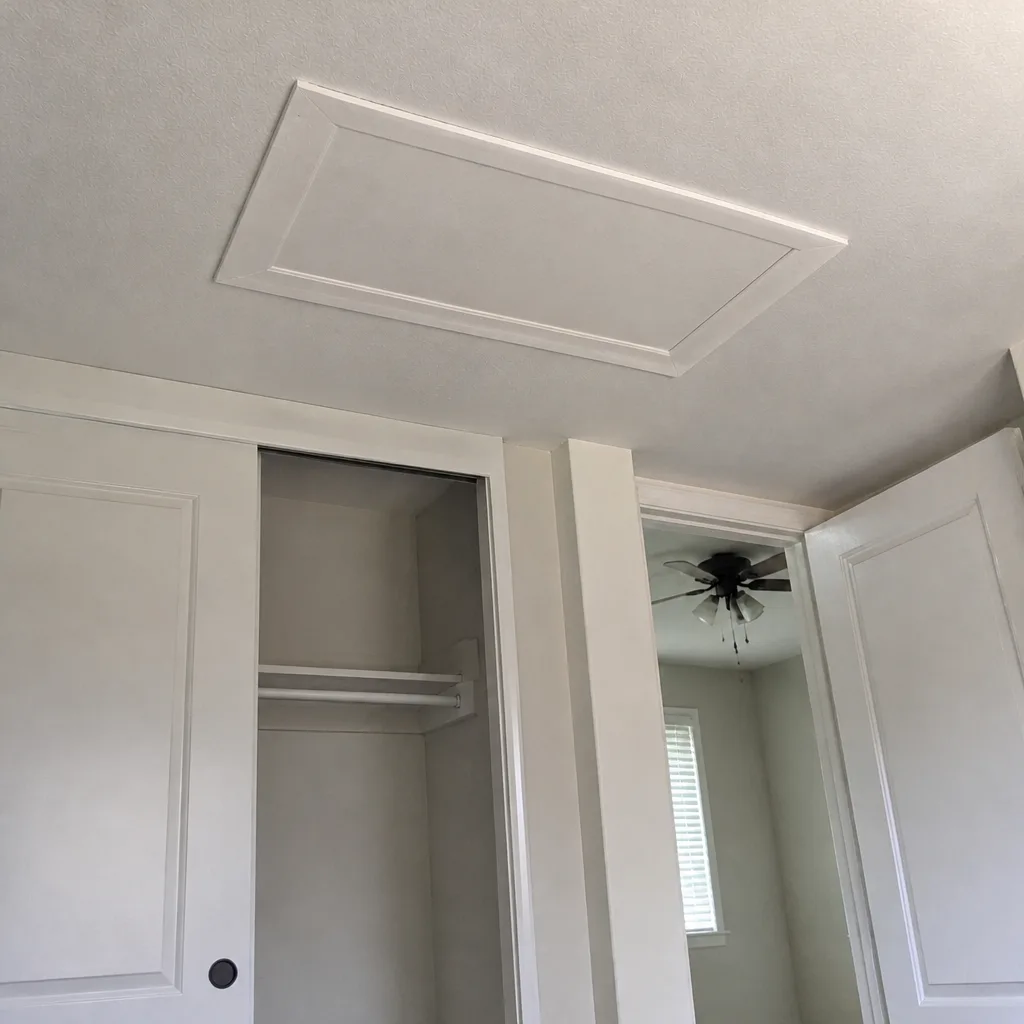
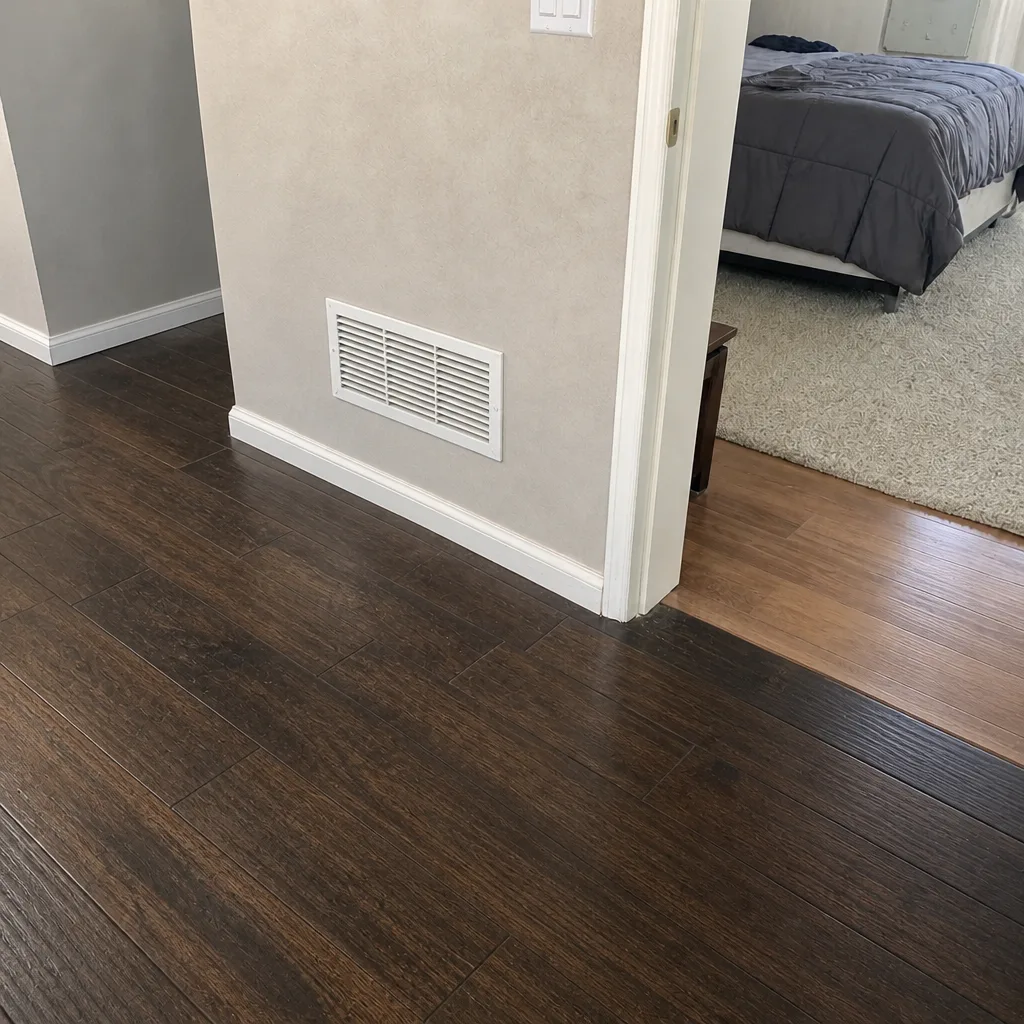
See the difference
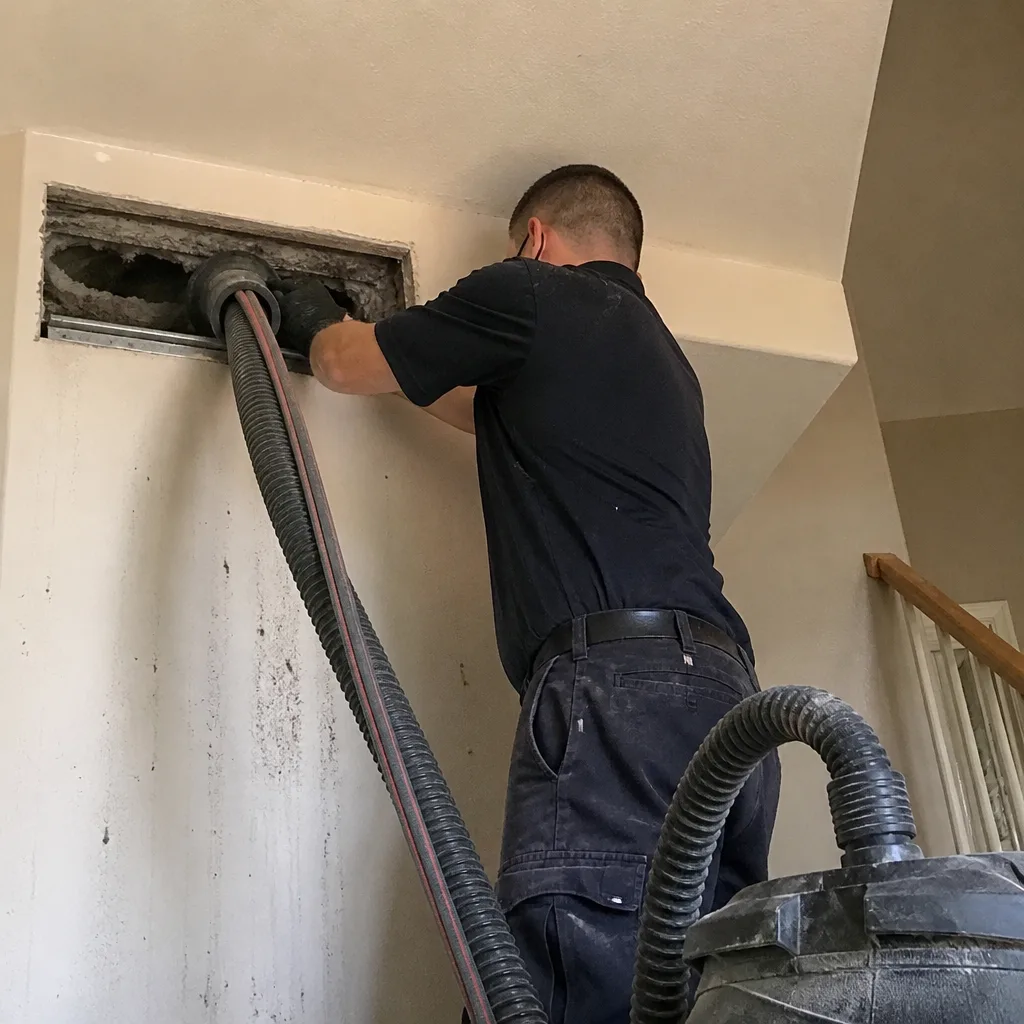 Before
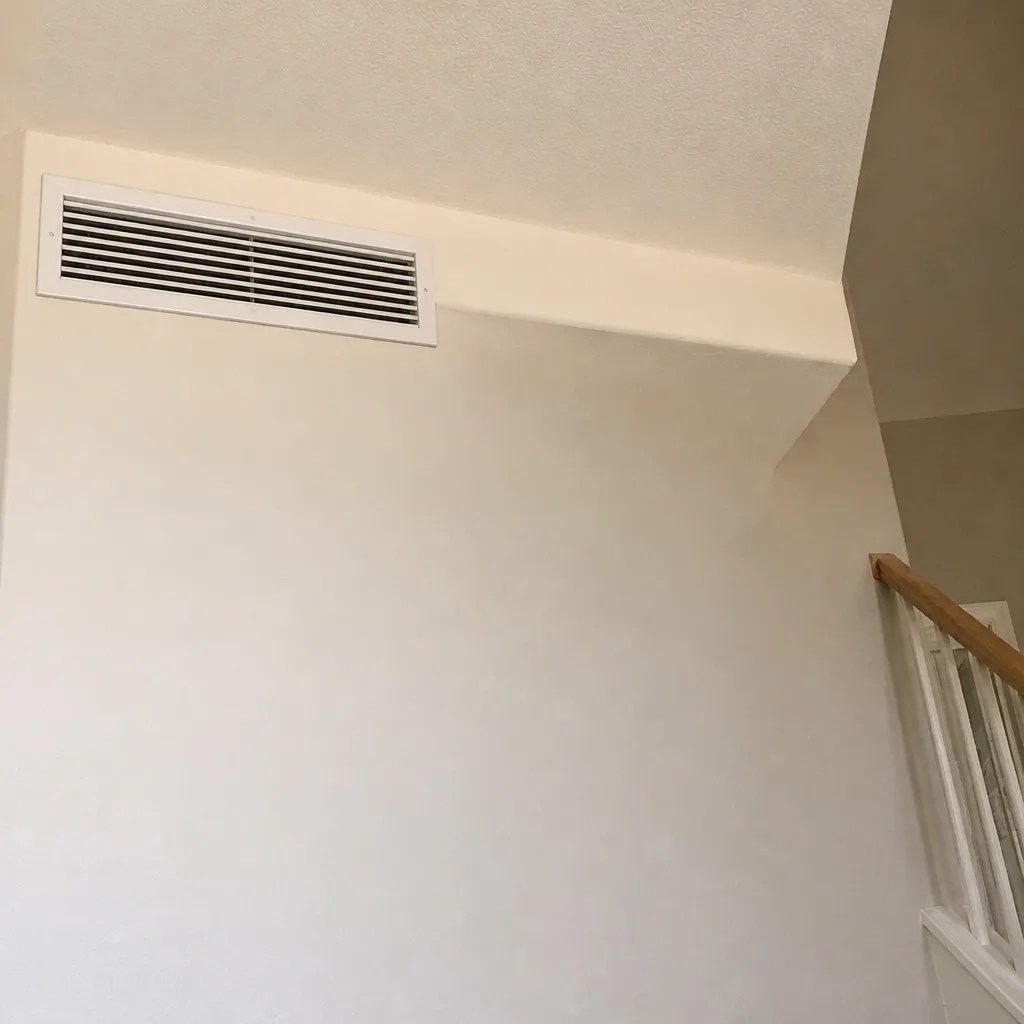 After
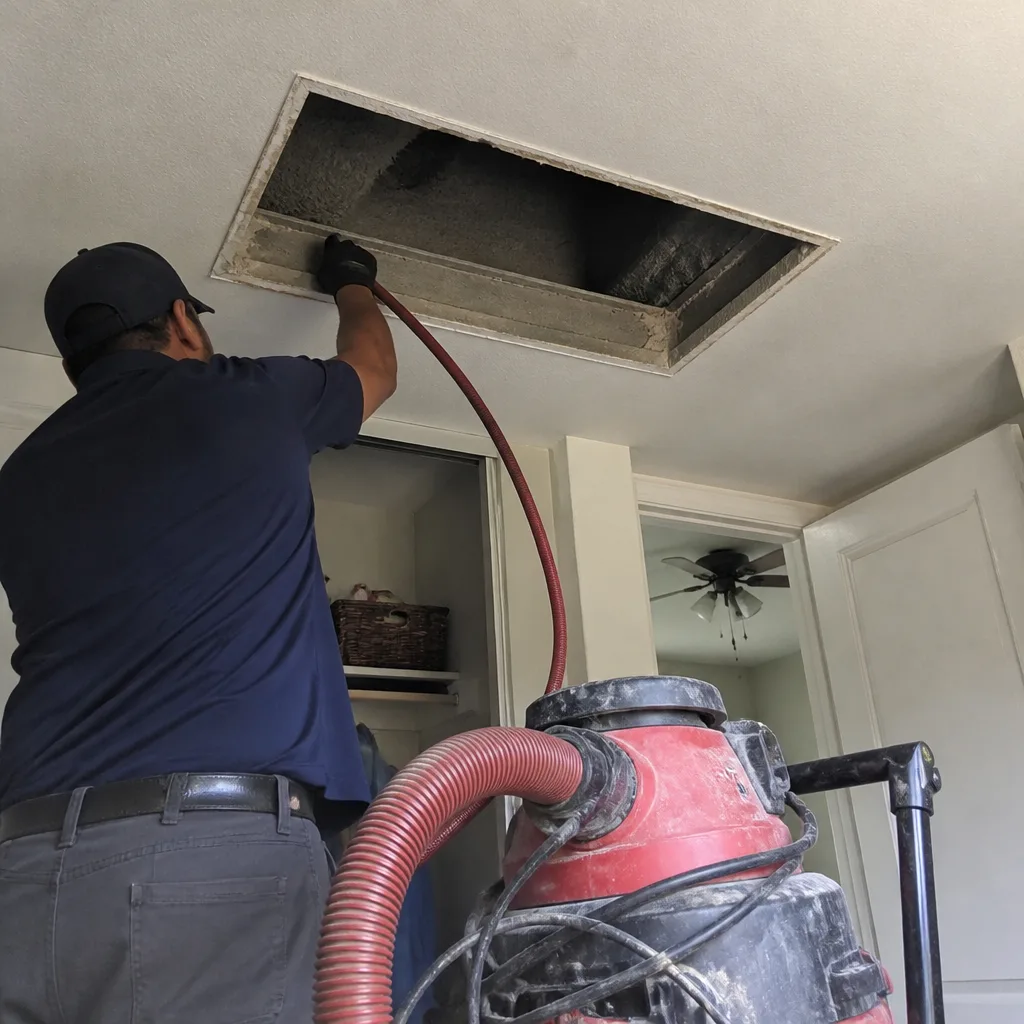 Before
 After
 Before
 After
When to Call a Professional
Duct work that involves structural repair, system modification, mold remediation, or penetration of fire-rated assemblies is not a weekend project. The California Mechanical Code, the San Diego County Air Pollution Control District rules, and the HOA governance layers in Downtown San Diego each impose requirements that a homeowner cannot navigate alone. If your ducts show signs of collapse, separation, or contamination, or if you are buying a unit and the inspection report flags unpermitted mechanical work, bring in a specialist who works in these buildings and knows the rules in the city where the work will happen. Dryer vent cleaning carries its own fire-safety documentation angle, and the same standards apply. Blackstone Air Duct Cleaning offers free estimates in Downtown San Diego. Call (866) 282-6412. We answer 24/7. Fast dispatch from 7am to 7pm, Sunday through Friday.
Frequently Asked Questions
No permit is required in Downtown San Diego for routine air duct cleaning, because the work is classified as maintenance rather than modification under the California Mechanical Code. The cleaning contractor works within the existing permitted system and does not alter, replace, or extend duct runs. If the job expands into repair, replacement, or modification, the permit requirement triggers at that point.
In California, a mechanical permit is required for any work that alters, replaces, extends, or adds to the air distribution system, including duct sections, plenums, registers, fire dampers, and connections. Cleaning, inspection, and standard maintenance that restore the system to its original condition do not require a permit. The California Mechanical Code sets the specific definitions and requirements.
The San Diego County Air Pollution Control District regulates VOC emissions from chemicals used in duct treatment applications, including antimicrobial sprays, fungicides, and sealants. Standard mechanical cleaning with brushes and vacuums does not fall under SDAPCD rules, but any job involving chemical remediation inside the duct system does. Contractors must use products that meet California’s VOC limits and apply them according to manufacturer instructions.
Ask for a written scope of work that states exactly what will be done and whether any portion requires a permit under the California Mechanical Code. Ask for license and insurance certificates, including a certificate naming you and your HOA as additional insureds if you live in a Downtown San Diego condo tower. Ask whether the work will meet the NADCA ACR Standard and what documentation you will receive when the job is complete.
In Downtown San Diego’s high-rise and mid-rise towers, ducts run through shared chases, rated walls, and fire-rated assemblies that affect the entire building, not just your unit. Your HOA requires contractor registration and may require its own approval layer because work in your unit can affect neighbors through shared infrastructure, and any work that touches fire-life-safety elements must be coordinated with building management.
Unpermitted duct repairs must be disclosed on California’s transfer disclosure statement, and they are commonly flagged by home inspectors during escrow. A buyer who discovers the work after closing can pursue remedies against the seller. The documentation showing the repair was permitted and inspected is often the only clean way through the transaction.
Mold removal via mechanical cleaning and HEPA-filtered negative-air equipment does not require a city permit, because the work restores the existing system rather than modifying it. The permit picture changes only if the remediation requires cutting out and replacing duct sections, which is a modification. Chemical treatments used during remediation fall under San Diego County Air Pollution Control District VOC rules regardless of whether a city permit is required.
The Bottom Line
Routine air duct cleaning in Downtown San Diego requires no permit, but the line between cleaning and modification is firm and real under the California Mechanical Code. Any work that alters, replaces, or adds to the duct system triggers a permit requirement, and San Diego County Air Pollution Control District rules add another layer for chemical remediation. Downtown San Diego’s condo towers add HOA governance on top of the city and county requirements, so the documentation you demand before work begins is the documentation that protects you later. Ask for a written scope, know the permit threshold, and choose a contractor who treats paperwork as part of the job. For an exact scope and free estimate in Downtown San Diego, call (866) 282-6412. We answer 24/7. Fast dispatch from 7am to 7pm, Sunday through Friday.
Written by the team at Blackstone Air Duct Cleaning, serving Downtown San Diego since 2018.