
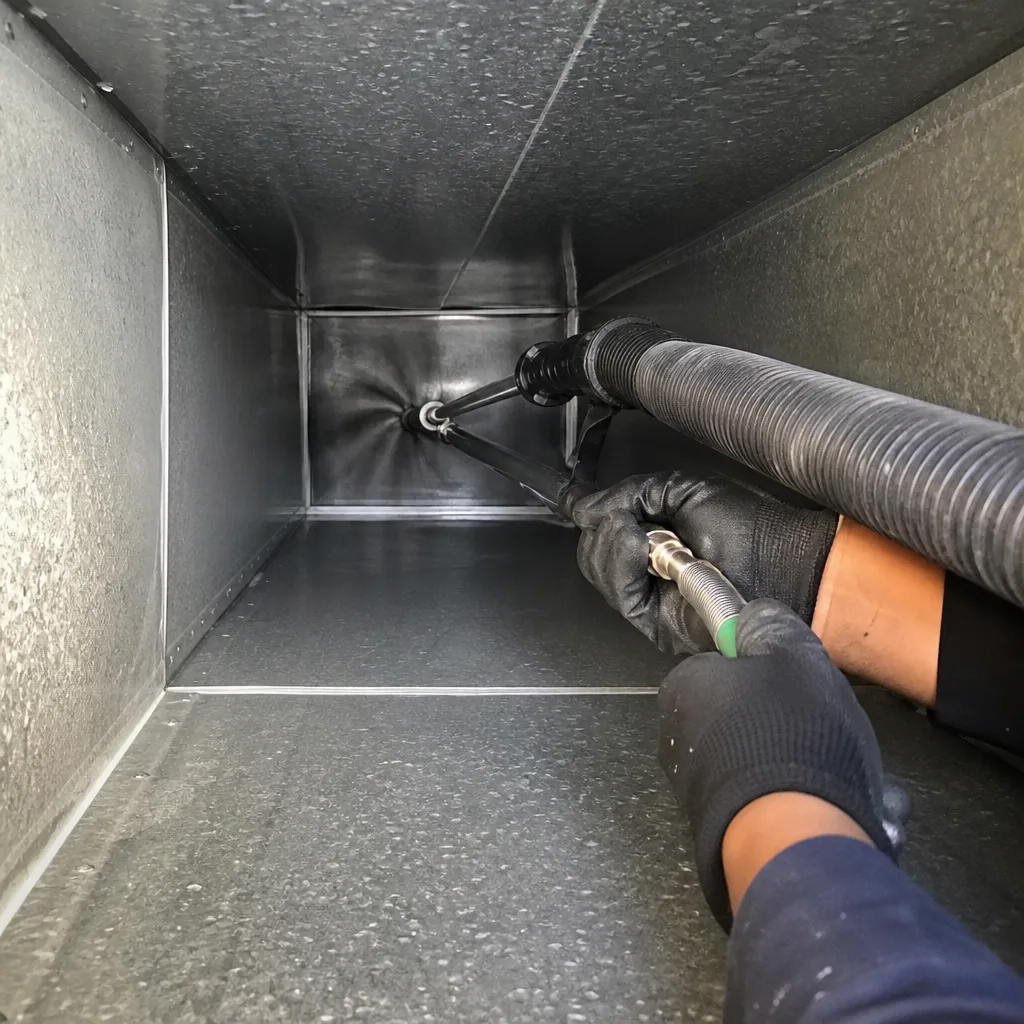
Last updated November 4, 2026
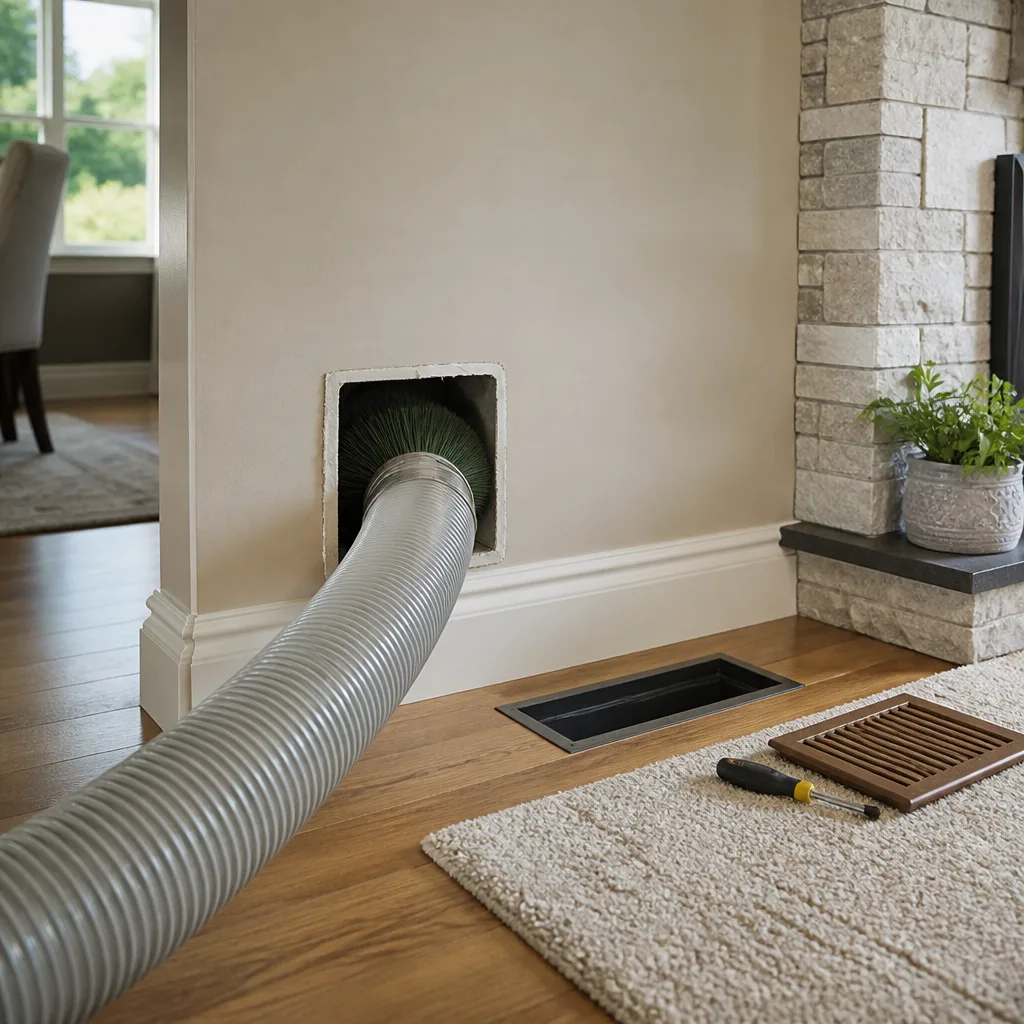 Whole-home duct cleaning
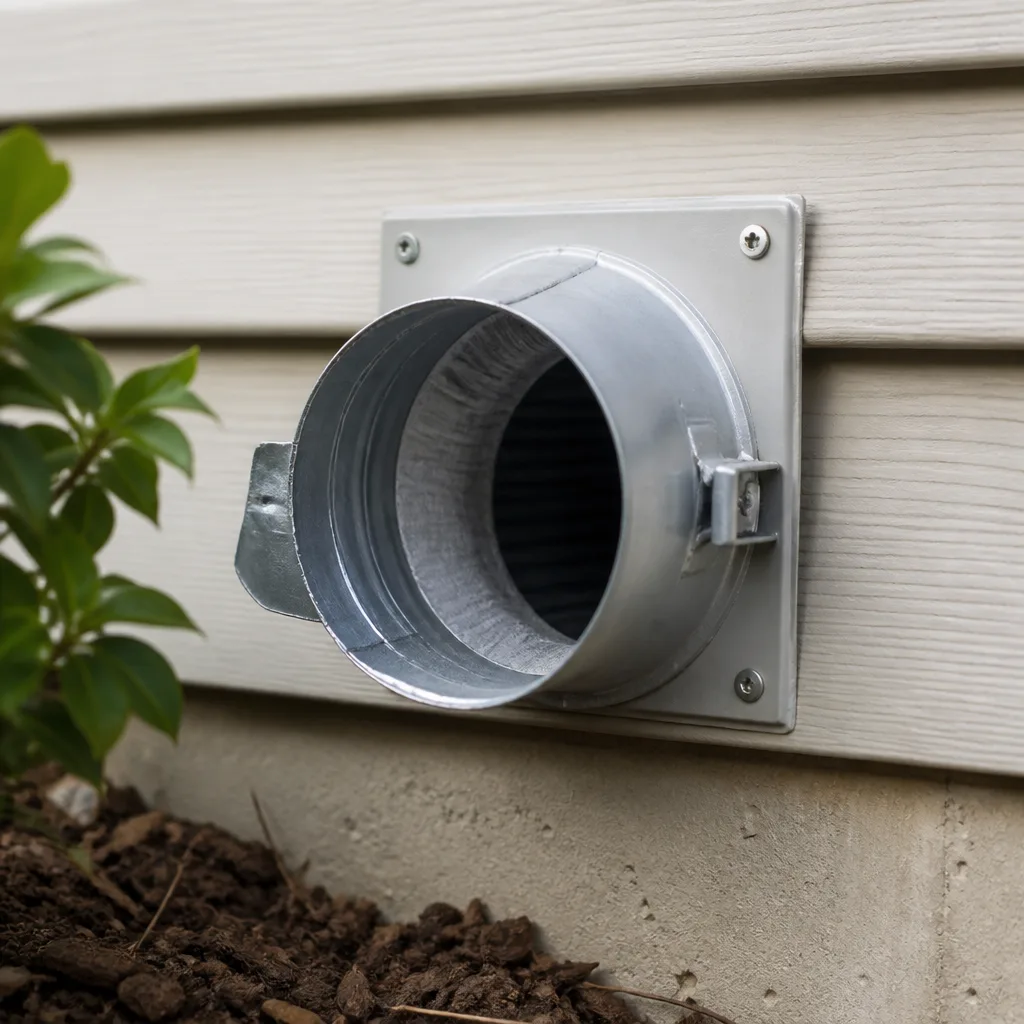 Dryer vent cleaning
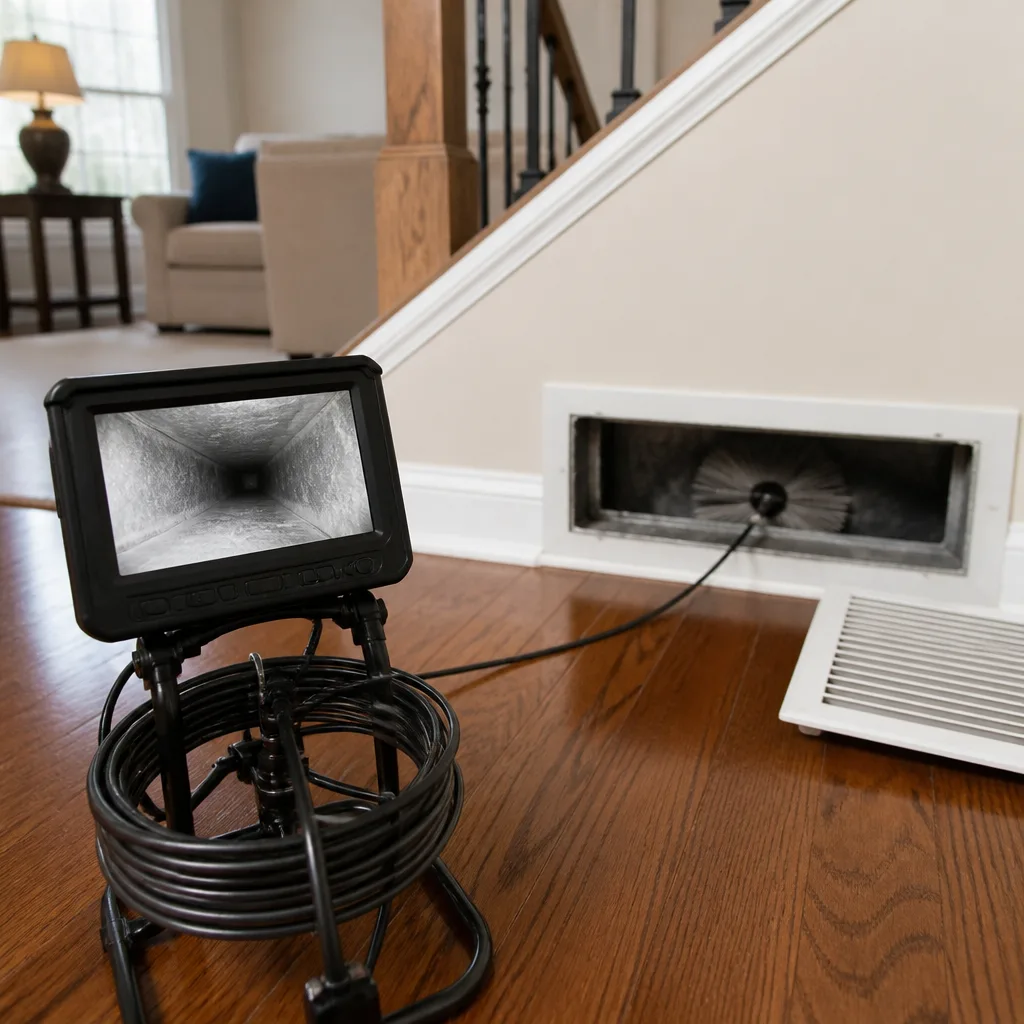 Camera inspection
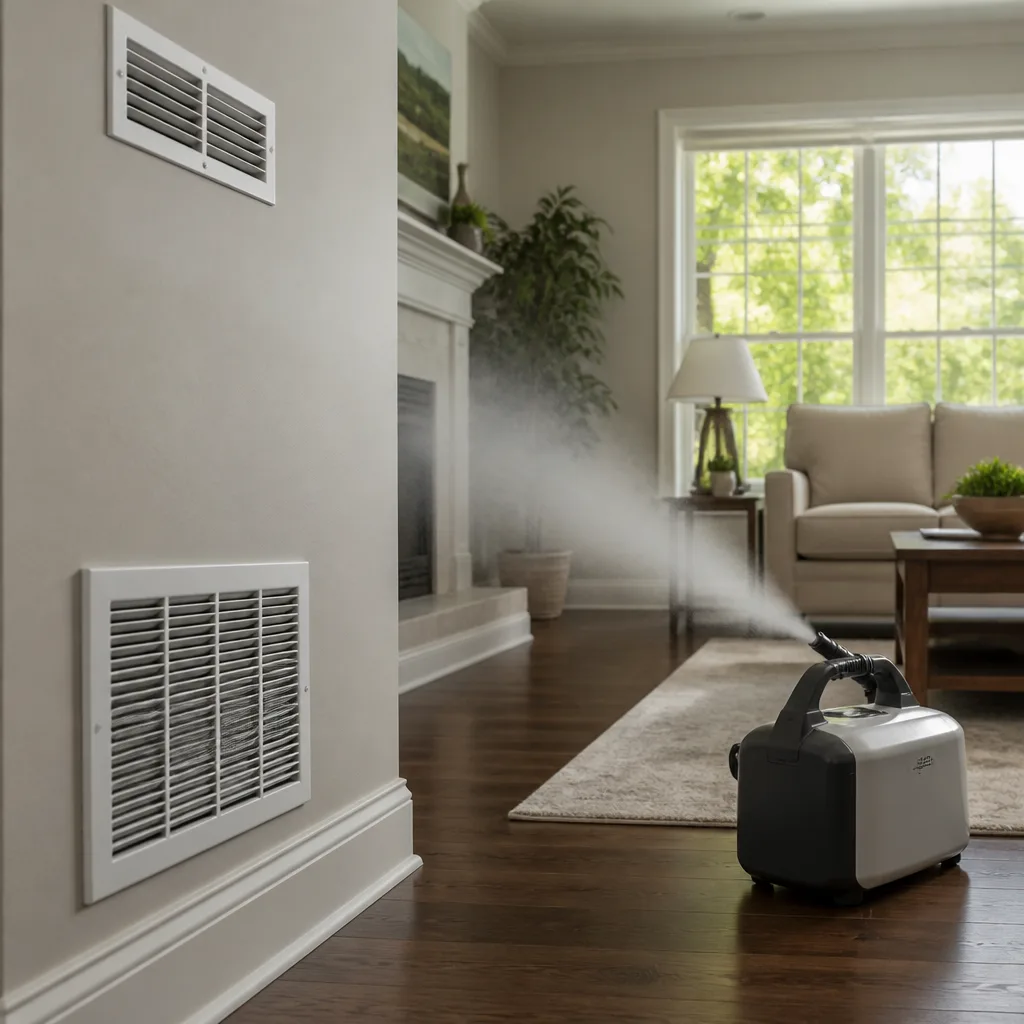 Sanitizing & deodorizing
Whole-system duct and dryer vent check with before-and-after photos - you see exactly what came out of your vents
That "$99 whole-house special" is a bait ad - the real number appears once they are in your hallway, or the "clean" is a shop-vac at the register. We photograph the inside of your ducts before and after instead.
How to Hire an Air Duct Cleaning Contractor in Downtown San Diego: A Step-by-Step Guide
Most homeowners assume every air duct cleaning company operates under the same state oversight as electricians or plumbers. That assumption is wrong, and in Downtown San Diego it can cost you real money and real air quality. The duct cleaning trade has no universal licensing requirement in California, which means a $99 coupon crew running a shop vac off a pickup truck looks nearly identical to a specialist with commercial negative-pressure equipment on a search results page. This guide walks through the exact screening process we use ourselves when evaluating other contractors, so you can tell the difference in under an hour. By the end, you will know which certifications matter, which equipment questions separate pros from pretenders, and which red flags in the Downtown San Diego market should send you looking elsewhere.
Styles & brands we work with
- Whole-home duct cleaning
- Dryer vent cleaning
- Camera inspection
- Sanitizing & deodorizing
Quick Answer
To hire a qualified air duct cleaning contractor in Downtown San Diego, verify NADCA membership directly on the NADCA website rather than trusting a badge on a van, ask pointed questions about negative pressure capacity and HEPA filtration, and insist on a written estimate that includes scope, method, and containment. A legitimate professional will photograph your duct system before and after the job and leave a written report. Skip any contractor who quotes a price without asking about your building access, duct material, or system size.
Table of Contents
- Why ‘Certified’ Means Less Than You Think
- How to Verify NADCA Certification in 60 Seconds
- The Equipment Questions That Expose Amateurs
- Red Flags Specific to Downtown San Diego
- What a Legitimate Estimate Actually Includes
- Before-and-After Documentation: What to Demand
- Ten Questions to Ask Before You Book
- Common Mistakes to Avoid
- When to Call a Professional
- Frequently Asked Questions
- The Bottom Line
Why ‘Certified’ Means Less Than You Think
Here is the uncomfortable reality of the duct cleaning industry: anyone can print the word “certified” on a business card. There is no state agency in California that licenses air duct cleaners specifically, and no government board that revokes a bad contractor’s right to clean ducts. The most credible credential in this trade is certification from NADCA, the National Air Duct Cleaners Association. NADCA requires its certified members to meet published standards for equipment, process, and documentation. Competing “certifications” often come from trade groups with no testing, no site audit, and no consumer complaint process. When we evaluate another company’s claims, the first thing we check is whether the certification comes from NADCA or from a website that sells certificates to anyone with a credit card.
For a homeowner in Downtown San Diego, this matters twice over. Our housing stock includes older low-rise condos with shared chases, high-rise units with inaccessible duct runs, and converted commercial lofts with metal ductwork that predates modern sealing standards. A contractor who has never worked in buildings like these will struggle regardless of what their van says. The certification is a floor, not a ceiling. It tells you the company knows the baseline, but it does not tell you whether they have ever navigated a scissor lift through a Downtown San Diego parking garage or coordinated access with a building engineer. Ask for the certification, then ask the follow-up questions in the next section.
How to Verify NADCA Certification in 60 Seconds
Verifying a NADCA certification takes less time than reading a Yelp review. Here is the exact process:
- Open NADCA’s member directory. The organization maintains a searchable database at nadca.com. Do not rely on a screenshot the contractor sent you, because screenshots are easy to fabricate or reuse from another company.
- Search by company name or ZIP code. Enter the contractor’s legal business name, not the marketing name on the van. Many companies operate under a DBA that differs from their registered entity.
- Check the certification status. NADCA lists both “Certified” and “Member” designations. A member who is not certified has paid dues but has not passed the certification exam.
- Look for the ASCS designation. The Air Systems Cleaning Specialist credential belongs to individuals, not companies. If the company claims certification, at least one person on the job should hold an ASCS designation.
If the company’s name does not appear in the directory, do not argue with the salesperson. End the call. A company that misrepresents its certification before stepping foot in your home will not suddenly become honest once your ductwork is exposed. In Downtown San Diego, where high-rise access requirements can add a full layer of coordination to any job, misrepresentation early is a reliable predictor of trouble later.
The Equipment Questions That Expose Amateurs
The equipment a contractor brings to your building tells you more than any marketing claim. Professional air duct cleaning relies on negative pressure, not positive pressure. A proper setup connects a high-powered vacuum to the duct system, creating suction that pulls debris out while an agitation device loosens the material caked onto duct walls. The vacuum should exhaust outside the building or through a HEPA filter that captures what the vacuum pulls. A contractor who shows up with a portable shop vac and a spinning brush attachment is essentially pushing dust around, not removing it.
Three questions to ask before booking:
- What negative pressure system do you use? Listen for brand names like Rotobrush or Nikro. These are the systems used in commercial and restoration work. A contractor who cannot name their equipment brand is either renting gear or working with consumer-grade tools.
- How do you agitate the duct walls? The answer should involve rotary brushes, compressed air whips, or both. Agitation is what breaks loose the hardened film of dust, skin cells, and construction debris that accumulates inside ducts. Without it, the vacuum is pulling air but not cleaning surfaces.
- Do you run HEPA filtration? HEPA filtration captures particles down to 0.3 microns. This matters when the vacuum exhaust is inside your living space, which is common in Downtown San Diego high-rises where running an exhaust hose out a 20th-floor window is not always possible.
We run Rotobrush rotary brush systems and Nikro HVAC cleaning equipment because they are the same machines restoration professionals use when a building has suffered fire, flood, or construction contamination. A homeowner who asks these three questions and gets confident, brand-specific answers is talking to a specialist. A homeowner who gets vague answers about “powerful vacuums” is talking to a generalist with a truck.
Red Flags Specific to Downtown San Diego
Every market has its own version of the $99 duct cleaning scam, but Downtown San Diego has factors that make certain red flags more dangerous here than elsewhere. Contractors who quote without asking about building access, duct material, or system size are pricing a fantasy, not your job. In a neighborhood where many residents live in condominium towers with freight elevator scheduling, loading dock restrictions, and HOA insurance requirements, a price-only quote is worthless.
Specific warning signs to watch for in this market:
- Quoting without asking about your building. A high-rise condo on Island Avenue has different access constraints than a loft conversion on Market Street. If the contractor does not ask what floor you are on, whether the building has a freight elevator, or whether the HOA requires proof of insurance, they have not thought through the actual job.
- Pricing per vent without explaining the method. Per-vent pricing is how bait-and-switch operations hook homeowners. The advertised price covers a basic vacuum of each register but excludes the trunk line, the return side, and the coil. The invoice that follows is several times the quoted figure.
- Ignoring duct material. Older Downtown San Diego buildings often have rigid metal ducts, while some mid-century conversions have fiberglass duct board. These materials require different agitation methods and different care. A contractor who does not ask what your ducts are made of does not have a plan for cleaning them.
- Claiming a full clean will take 45 minutes. A proper cleaning of an average Downtown San Diego condo or loft system takes two to four hours. A 45-minute claim means the contractor is skipping either the return side, the trunk line, or the agitation step.
The common thread here is speed. Scam operators want to be in and out of your building before you can ask questions. A legitimate contractor is not in a hurry because they have a process to follow, and that process takes as long as it takes.
What a Legitimate Estimate Actually Includes
A real estimate is a scope of work, not a price tag. When we prepare an estimate in Downtown San Diego, it includes the square footage of the system, the type of duct material, the number of supply and return points, the access method, and the containment plan. A price-only quote you can scribble on the back of an envelope fails every one of these tests. Here is what a written estimate should contain:
- System scope. The estimate should state the number of supply registers, return grilles, and the linear footage of trunk line being cleaned. If it does not, the contractor has not measured your system.
- Method. The estimate should name the equipment and the agitation method. “Air duct cleaning” is not a method. “Rotobrush rotary brush agitation with Nikro negative pressure collection” is a method.
- Containment plan. The estimate should describe how the contractor will protect your floors, furniture, and air from dust stirred up during the job. In a Downtown San Diego condo, this often means floor runners from the door to the mechanical closet and plastic barriers over doorways.
- Access requirements. The estimate should note whether the job requires a ladder, a scissor lift, building engineer coordination, or freight elevator scheduling. If access is coordinated with your HOA, that should be noted.
- Optional scope items. The estimate should separately list any add-ons, such as dryer vent cleaning, coil cleaning, or antimicrobial treatment, with their own line items. If the contractor folds these in without itemizing them, you are not seeing the real price.
Ask for the estimate in writing and take the time to read it. A contractor who cannot produce a written scope before the job is not going to produce better documentation after it.
Before-and-After Documentation: What to Demand
The single most important thing a professional crew leaves behind is proof the work was done. Not a checklist, not a verbal assurance, but visual evidence. A professional Blackstone Air Duct Cleaning style job includes before-and-after photographs of the supply registers, the return side, and the interior of the trunk line taken with an inspection camera. If your contractor cannot show you the inside of your own ductwork, they cannot prove the ductwork is clean.
Here is what legitimate documentation looks like:
- Before photos. These should show the condition of the duct interior before cleaning: dust accumulation, debris, and any visible contamination. If the contractor is not taking before photos, they have no baseline to compare against.
- After photos. These should show the same locations after cleaning. The contrast should be obvious. Silver metal should look like silver metal, not a brownish matte.
- Inspection camera stills. The best evidence comes from a camera inserted inside the duct, not a photo taken from the vent opening with a phone. Ask whether the crew uses an inspection camera during the job.
- A written report. This should note the original condition, the method used, any areas that required additional attention, and any damage or access limitations found during the job.
Documentation matters doubly in Downtown San Diego because many residents are renters or condo owners who need to show their landlord or HOA that the work was completed properly. A generic invoice that says “air duct cleaning: $249” does not satisfy a building manager who wants proof the job met the building’s standards. Photographs and a written report do.
Ten Questions to Ask Before You Book
Here is the full interview script we recommend to every Downtown San Diego homeowner. Work through these in order, and write down the answers.
- Are you NADCA certified, and what is your member number? Write down the number and verify it on the NADCA website.
- What equipment do you use for negative pressure? The answer should include a brand name, not a generic description.
- How do you agitate the ducts? Rotary brushes, compressed air whips, or both. “We vacuum hard” is not an answer.
- Do you use HEPA filtration? Yes or no. If no, ask where the exhaust goes.
- How long will the job take? Two to four hours for a typical condo or loft. Under an hour is a red flag.
- What does your written estimate include? Scope, method, containment, access, and itemized pricing.
- Will you show me before-and-after photos of my ducts? If the answer is no, end the conversation.
- Do you carry liability insurance, and will you provide a certificate? A legitimate contractor will provide a certificate of insurance naming your building or HOA as an additional insured if required.
- Do you clean dryer vents as part of the job or as a separate service? Dryer vent cleaning should be offered as a distinct service with its own scope and equipment, not folded into a duct cleaning package as a freebie.
- What happens if I find damage to my ducts after the job? A specialist who also handles air duct repair can address damage found during cleaning. A cleaning-only contractor will tell you to call someone else.
Common Mistakes to Avoid
- Choosing the lowest quote without comparing scope. A $149 quote and a $449 quote are not bidding on the same job if one excludes the trunk line, return side, and containment. Compare scopes, not prices.
- Trusting the word “certified” on a van or website. Certifications are claimed by almost every operator and verified by almost nobody. Verify the NADCA membership yourself.
- Booking without asking about access. In Downtown San Diego, your building may require hours of notice for freight elevator use or proof of insurance before work begins. Find out before the crew arrives.
- Paying a deposit before the job. A reputable contractor does not require a deposit for a residential duct cleaning. Pay when the work is done and you have seen the before-and-after photos.
- Skipping dryer vent cleaning while you are at it. Dryer vents are a documented fire hazard, and cleaning them at the same time as your ducts is more efficient than scheduling a second visit. Ask about it as a separate service with its own price.
- Not reading the estimate before signing. If the written scope does not match the verbal promises, do not sign. The written estimate is the contract.
- Assuming all duct cleaning is the same. It is not. The difference between a shop vac and a Rotobrush system is the difference between moving dust and removing it.
When to Call a Professional
Some situations should not wait for a tentative appointment. If you can see dust blowing from your supply registers when the system runs, call a professional. If someone in your home has unexplained allergy symptoms that worsen at night or in certain rooms, call a professional. If you have just completed a renovation in a Downtown San Diego condo, construction dust has almost certainly found its way into your ductwork, and demolition debris does not belong in the air your family breathes. If you smell a musty odor when the HVAC starts, that is a sign of microbial growth in the duct lining, and it will not improve on its own. If your dryer takes two cycles to dry a single load, the vent is clogged, and a clogged dryer vent is a fire hazard. Blackstone Air Duct Cleaning offers free estimates in Downtown San Diego. Call (866) 282-6412 for an assessment.
Frequently Asked Questions
A legitimate full-system cleaning in Downtown San Diego typically costs more than the $99 coupons suggest, with most condo and loft systems falling in a range determined by system size, access difficulty, and duct material. Any quote that does not include a written scope of work is not a real quote. Call (866) 282-6412 for an exact estimate based on your system.
Verify NADCA certification by searching the company’s legal business name in the member directory at nadca.com. A badge on a website or van proves nothing, because anyone can copy an image. If the company does not appear in the directory, treat their certification claims as unverified.
A professional uses a negative pressure system, such as Rotobrush or Nikro equipment, paired with rotary brush or compressed air agitation and HEPA filtration. A shop vac is not negative pressure and cannot clean the full length of a duct run. Ask the contractor to name their equipment before booking.
A proper cleaning of a typical Downtown San Diego condo or loft takes two to four hours, depending on system size and access. A contractor who promises to finish in under an hour is skipping steps. The job includes agitation, extraction, and inspection, and none of those steps should be rushed.
Many do. Freight elevator scheduling, loading dock access, and HOA insurance requirements are common in Downtown San Diego high-rises. Your contractor should ask about these factors before quoting, and the written estimate should note any access coordination the job requires.
Ask for before-and-after photographs of the duct interior taken with an inspection camera. A professional crew should also leave a written report describing the original condition, the method used, and any issues found. If your contractor cannot show you the inside of your own ducts, you have no evidence the cleaning was performed. Call (866) 282-6412 to discuss what documentation a professional job includes.
The Bottom Line
Hiring an air duct cleaning contractor in Downtown San Diego is a test of how carefully you screen before you book. The acronyms on the van mean little in a trade with no universal licensing requirement, but NADCA certification, brand-name negative pressure equipment, and a written scope of work mean everything. Verify the certification yourself, ask the equipment questions, and insist on before-and-after documentation. Skip the contractor who quotes a price without asking about your building, and treat a sub-hour cleaning time as the warning it is. When you are ready to have the job done right, Blackstone Air Duct Cleaning uses professional-grade Rotobrush and Nikro systems and provides free estimates across Downtown San Diego. Call (866) 282-6412. We answer 24/7. Fast dispatch from 7am to 7pm, Sunday through Friday.
Written by the team at Blackstone Air Duct Cleaning, serving Downtown San Diego since 2018.
See the difference
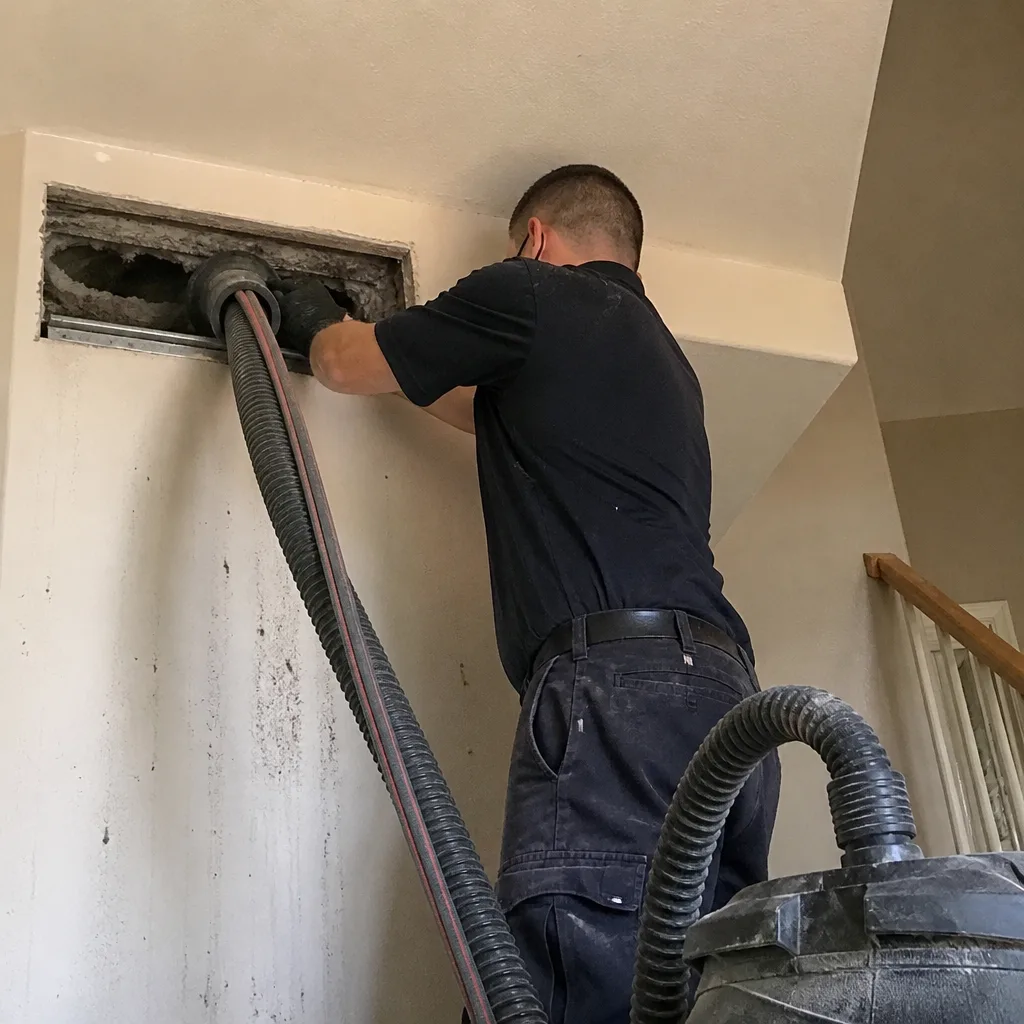 Before
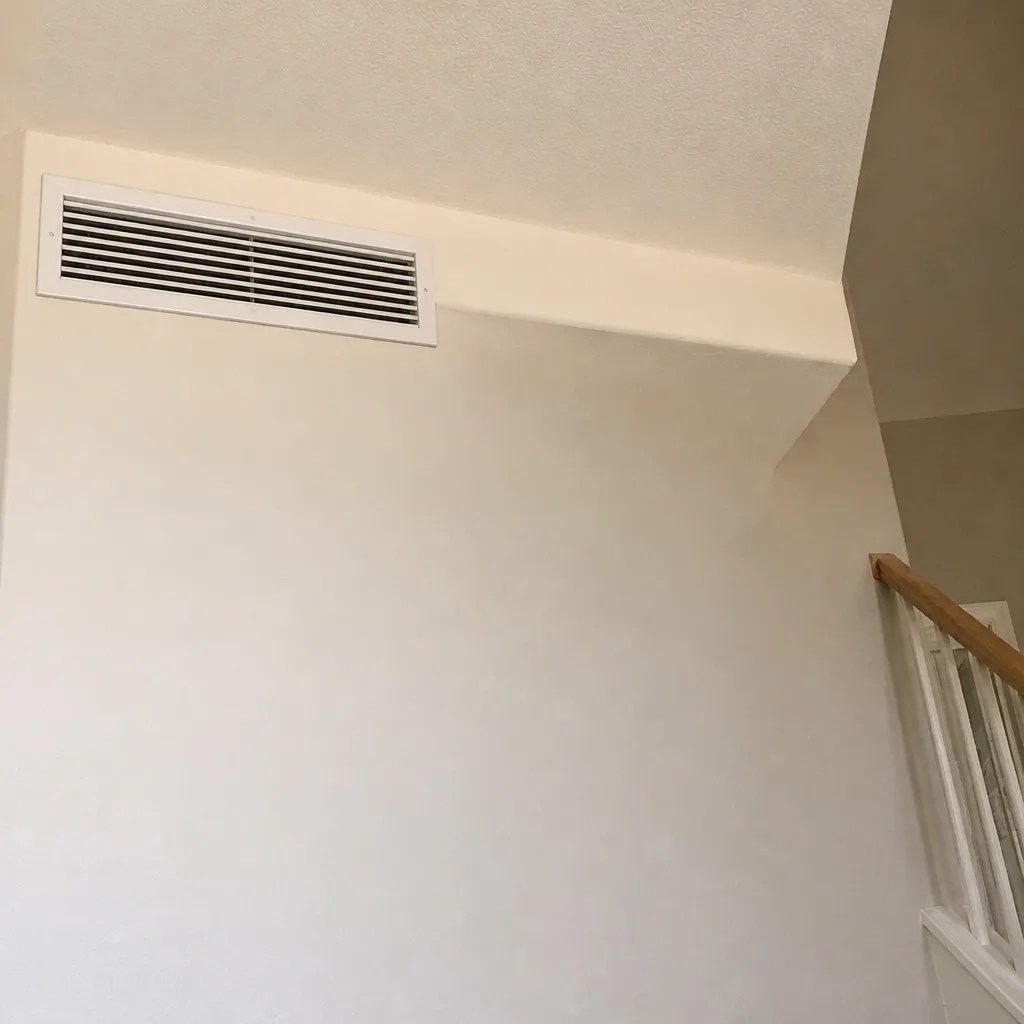 After
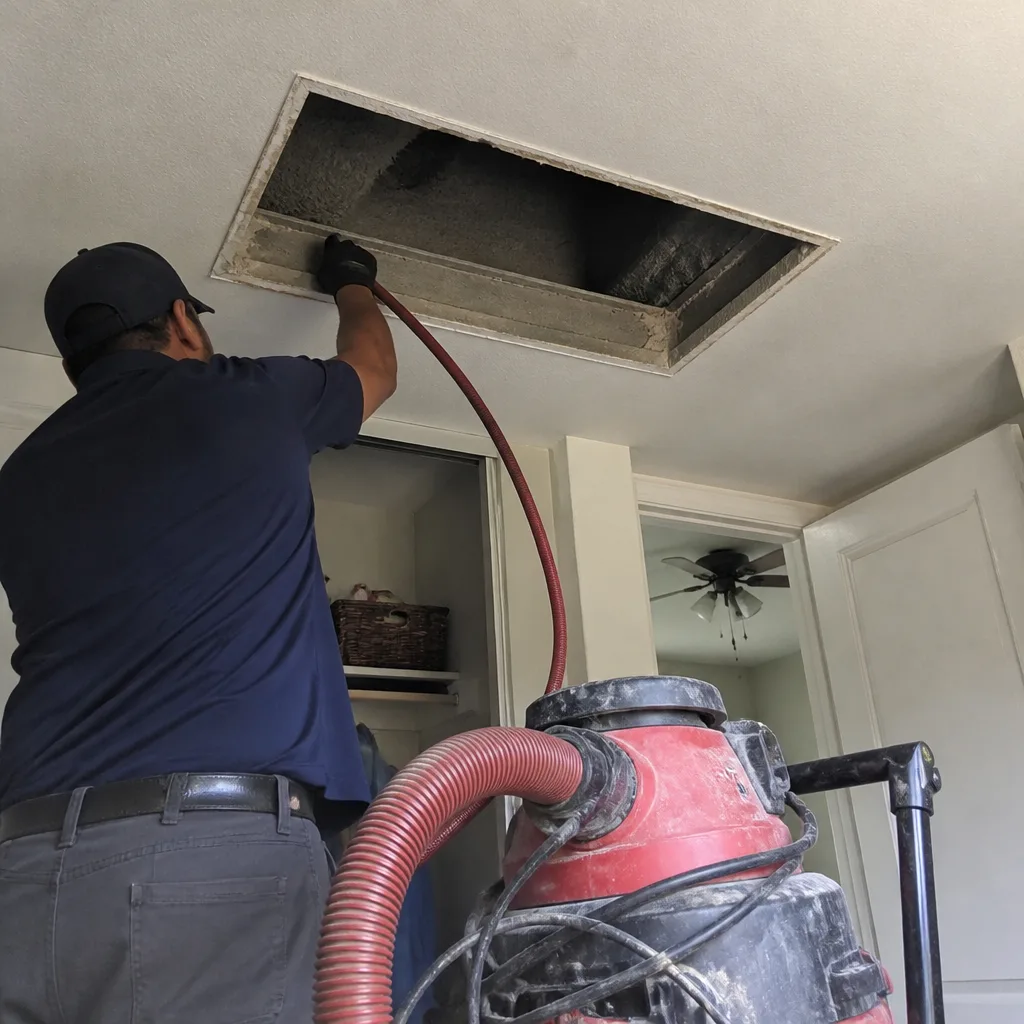 Before
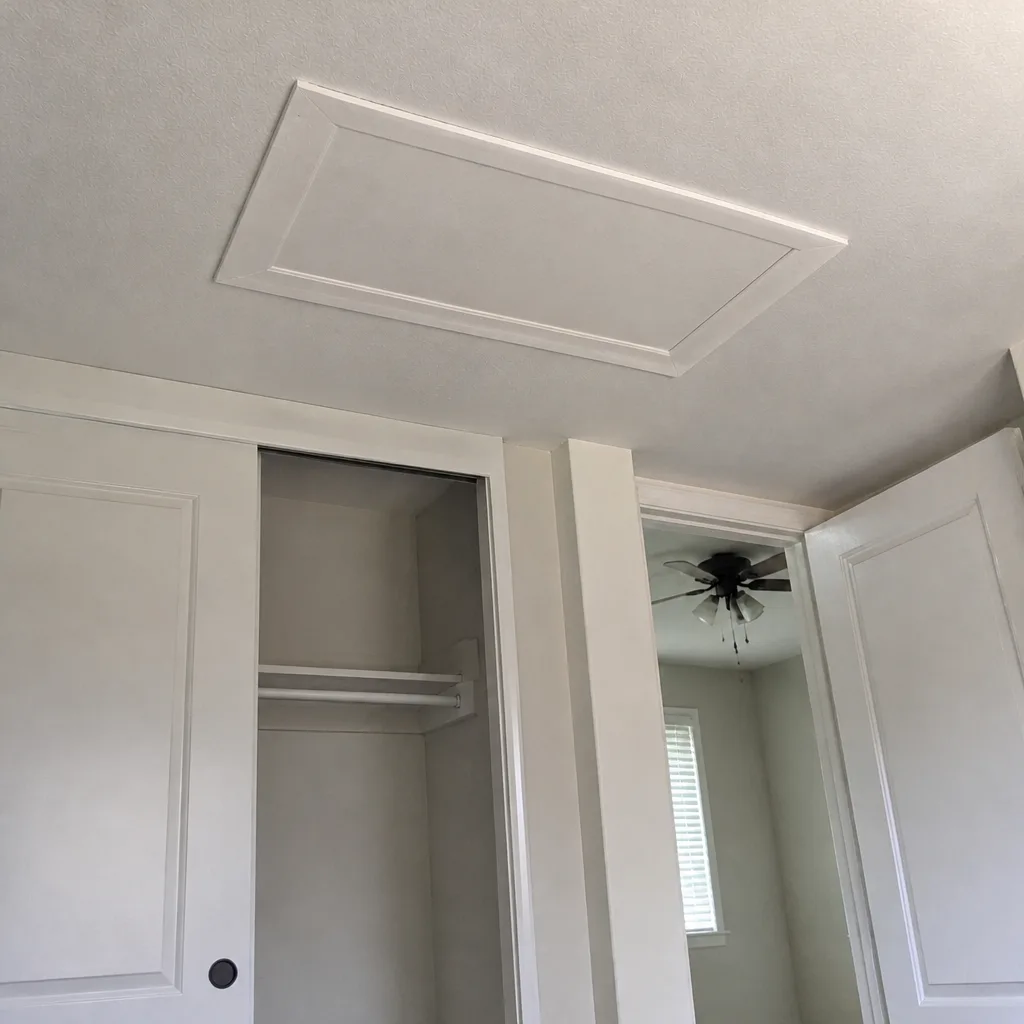 After
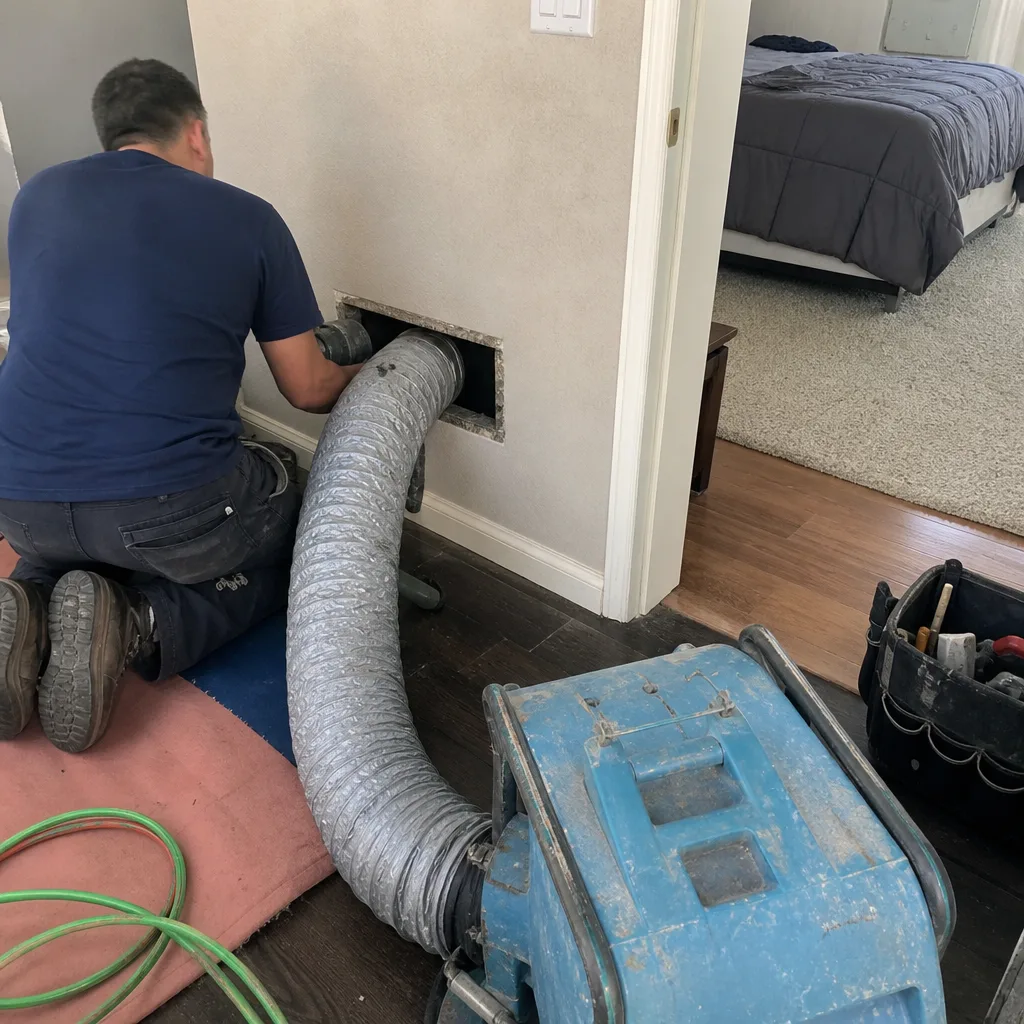 Before
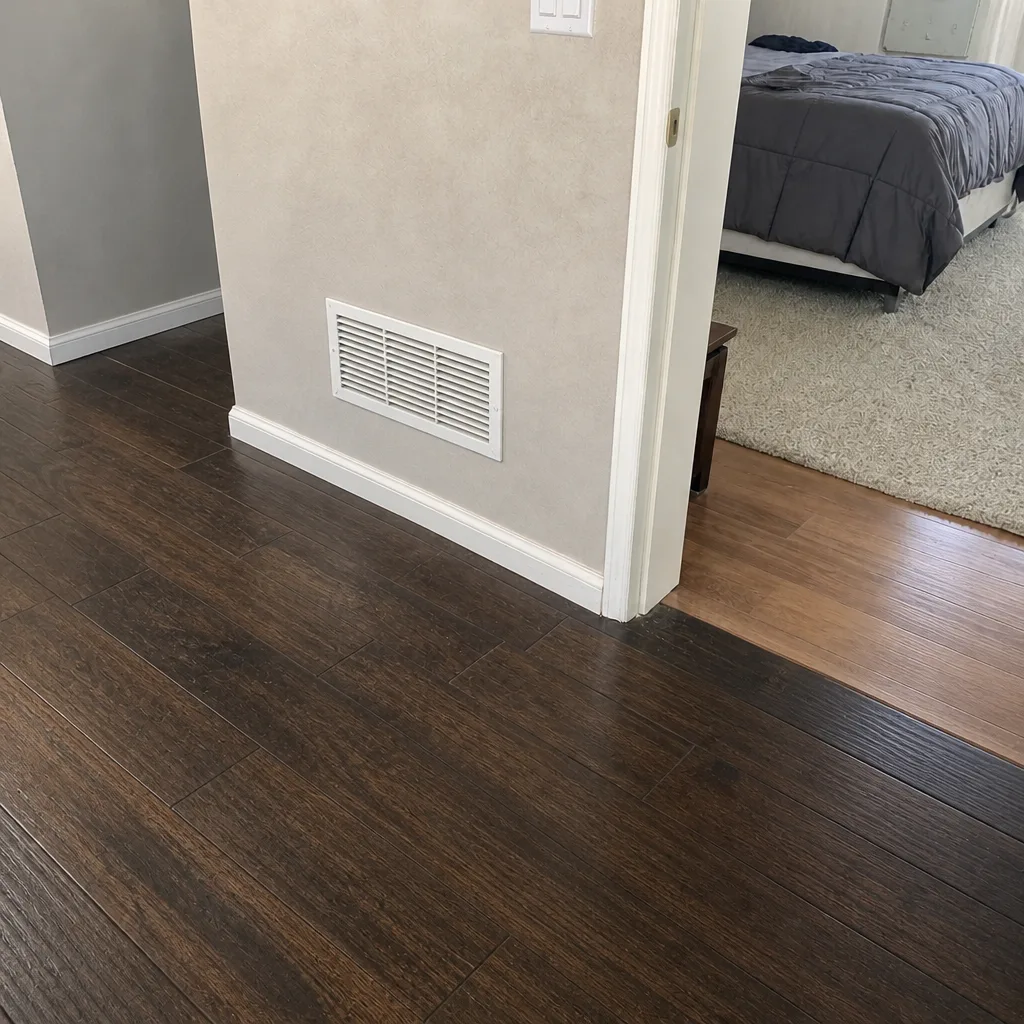 After