
Last updated November 4, 2026
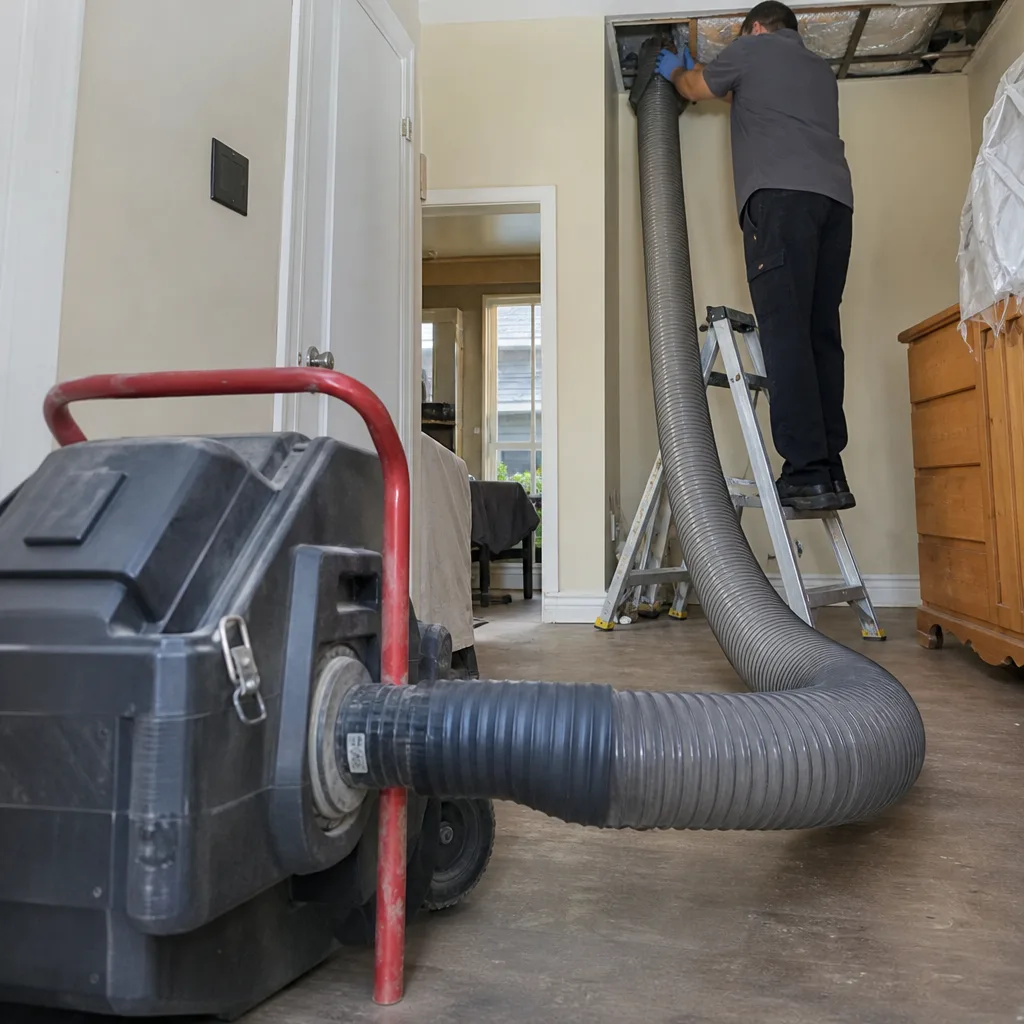
 Whole-home duct cleaning
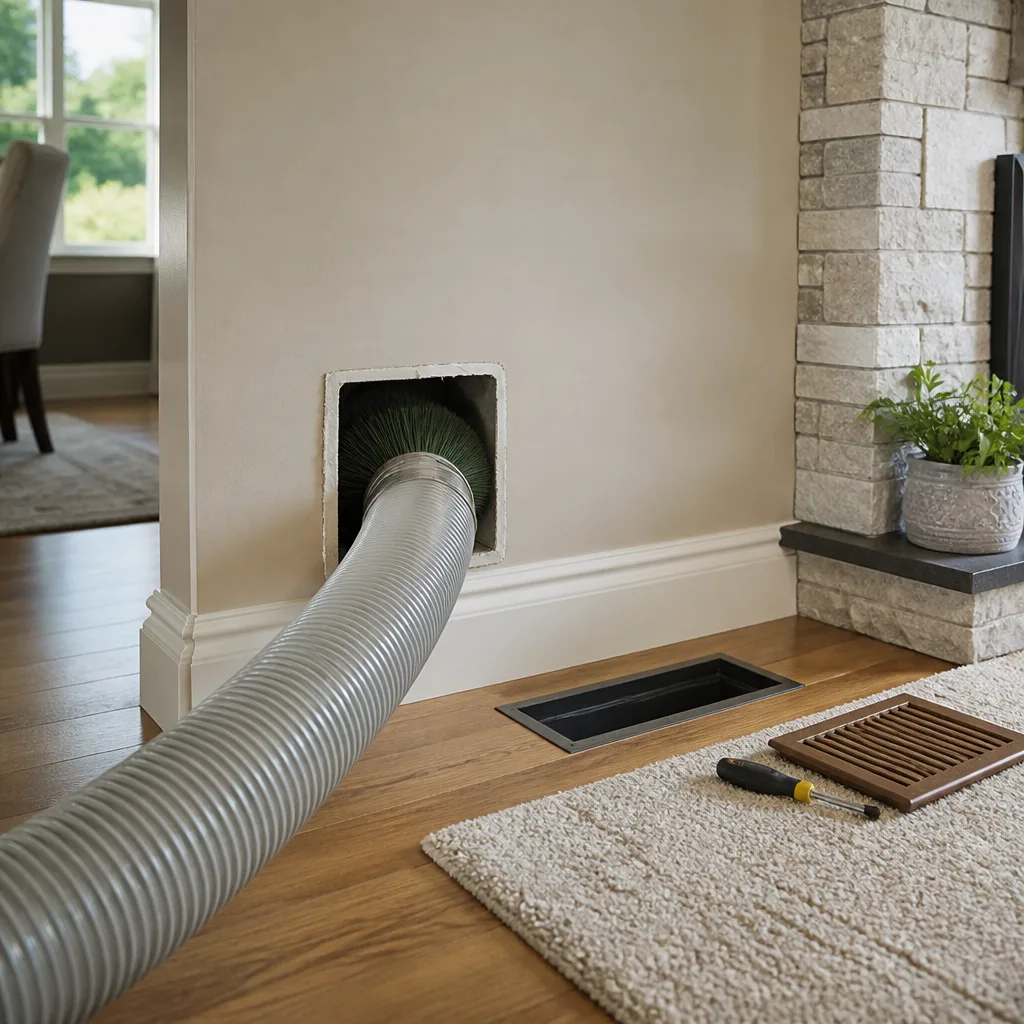
 Dryer vent cleaning
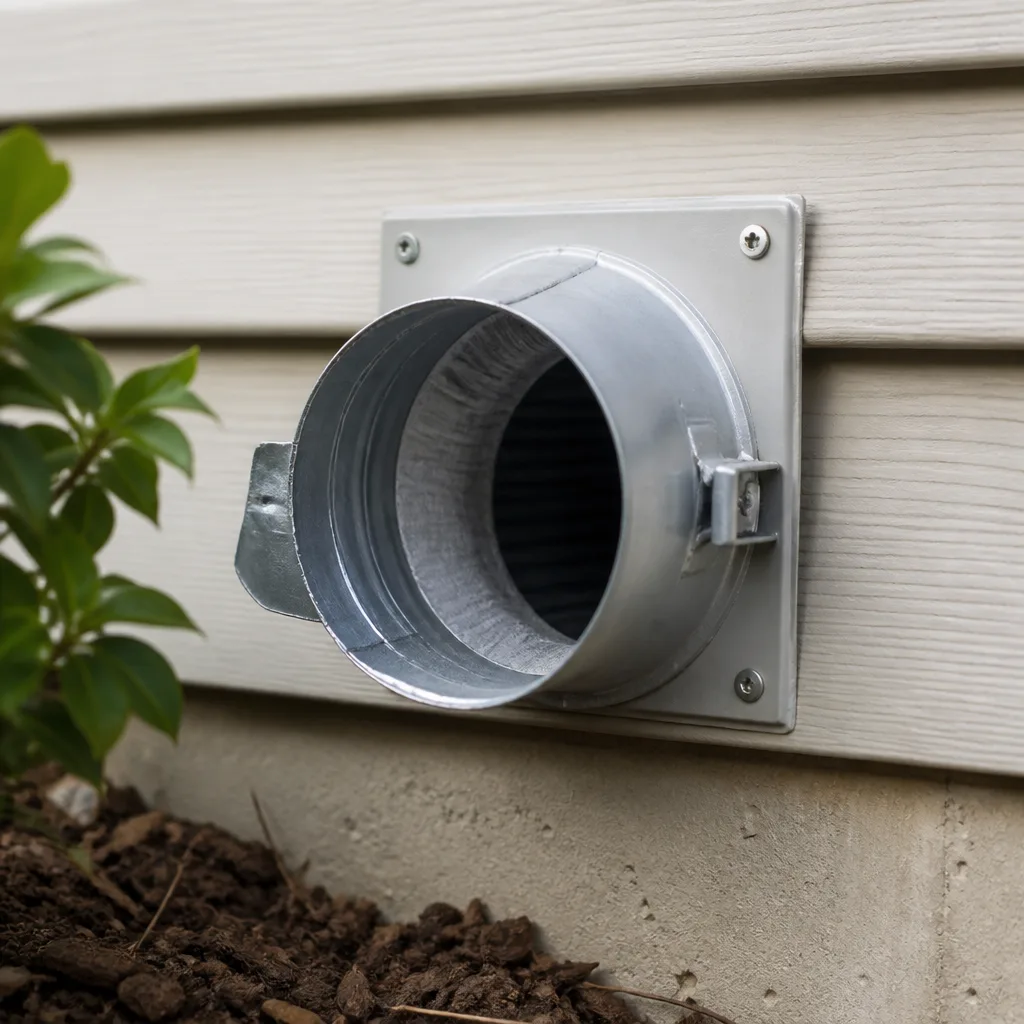
 Camera inspection
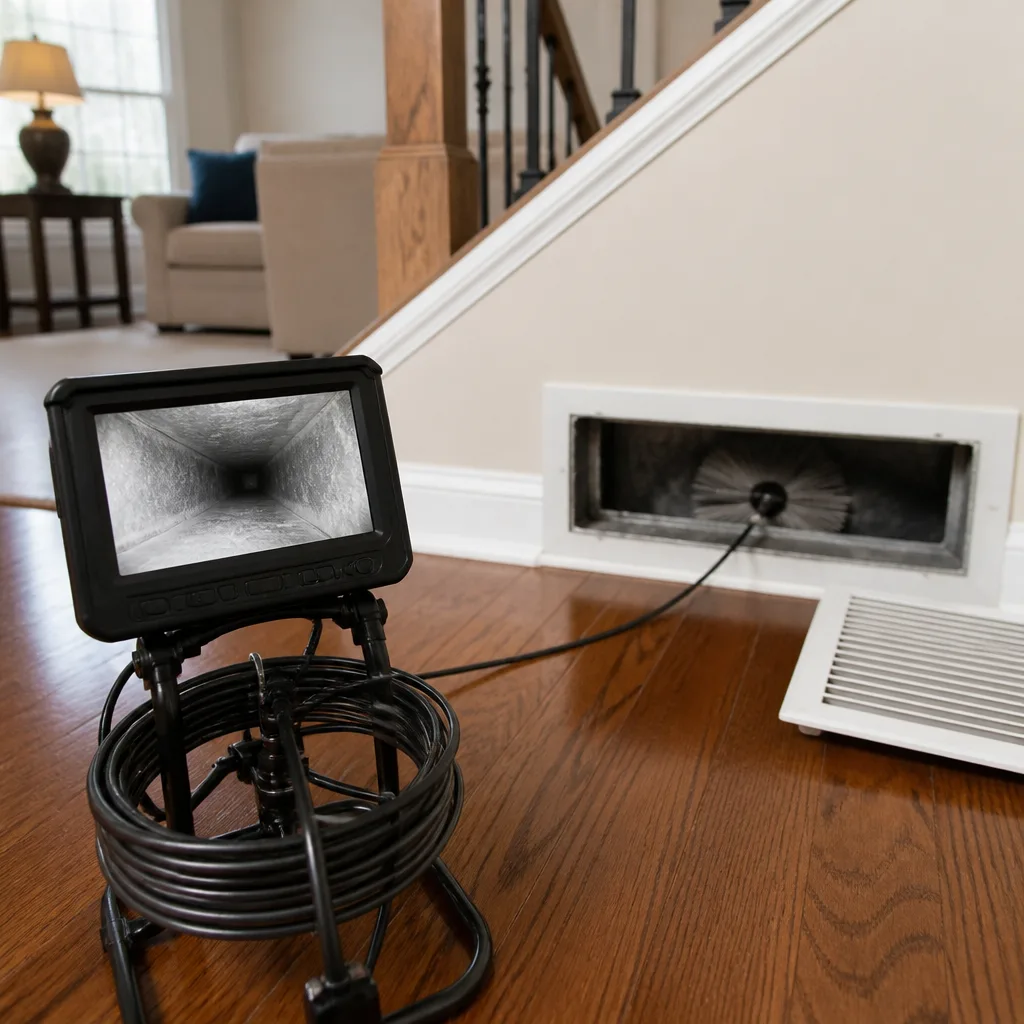
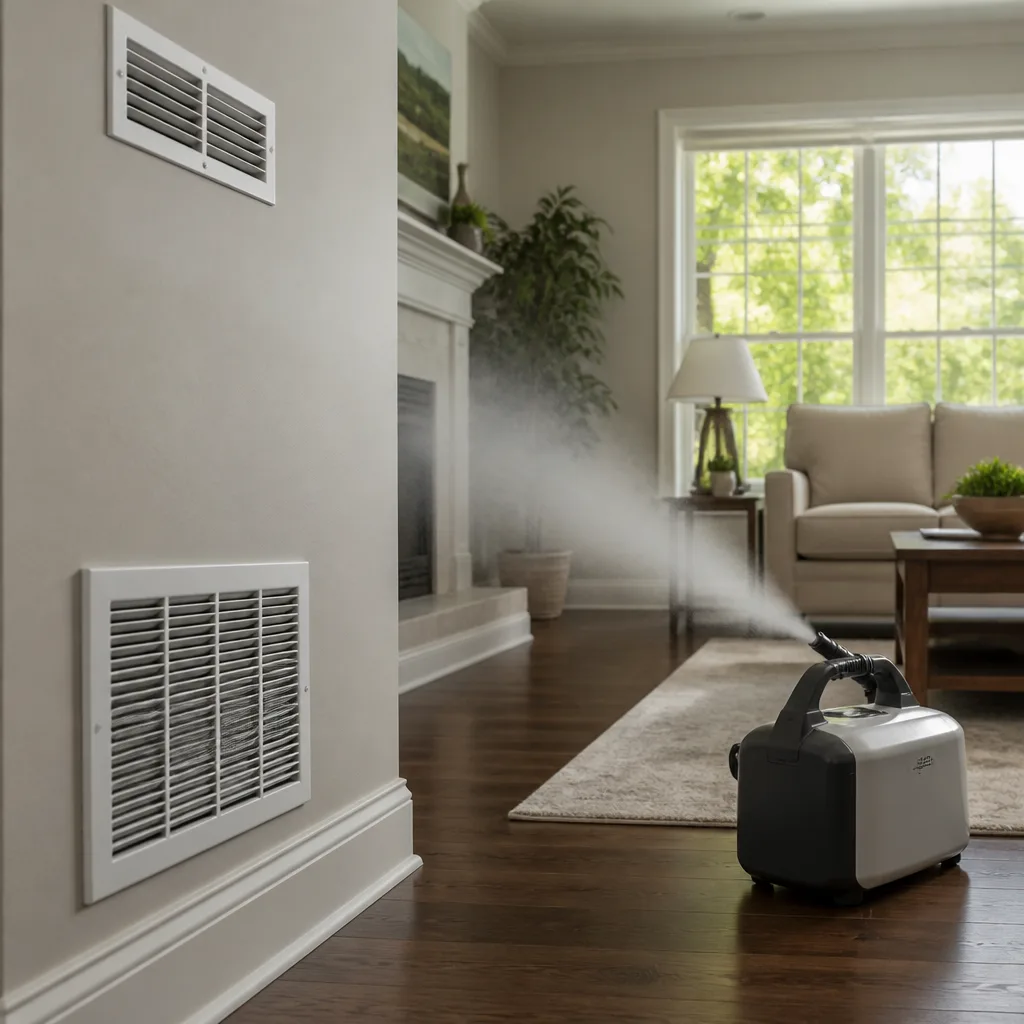 Sanitizing & deodorizing
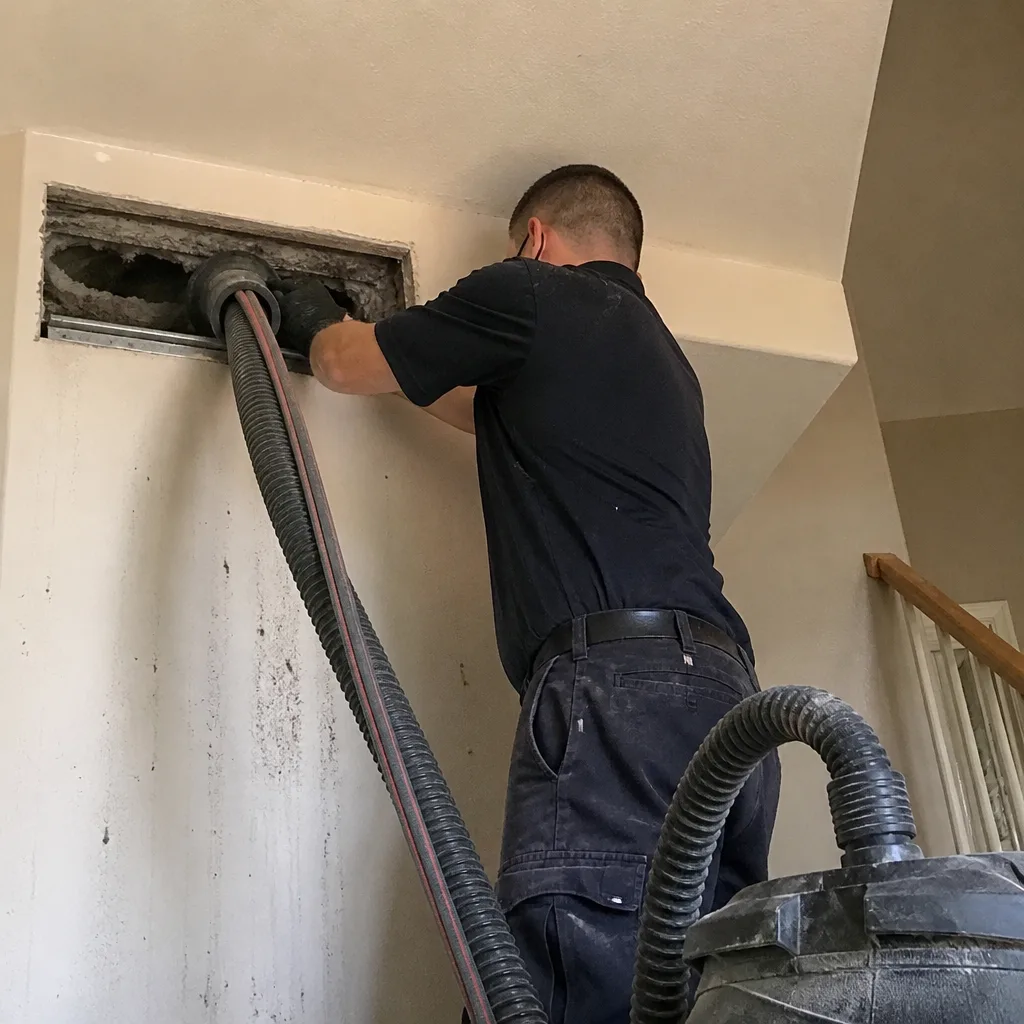
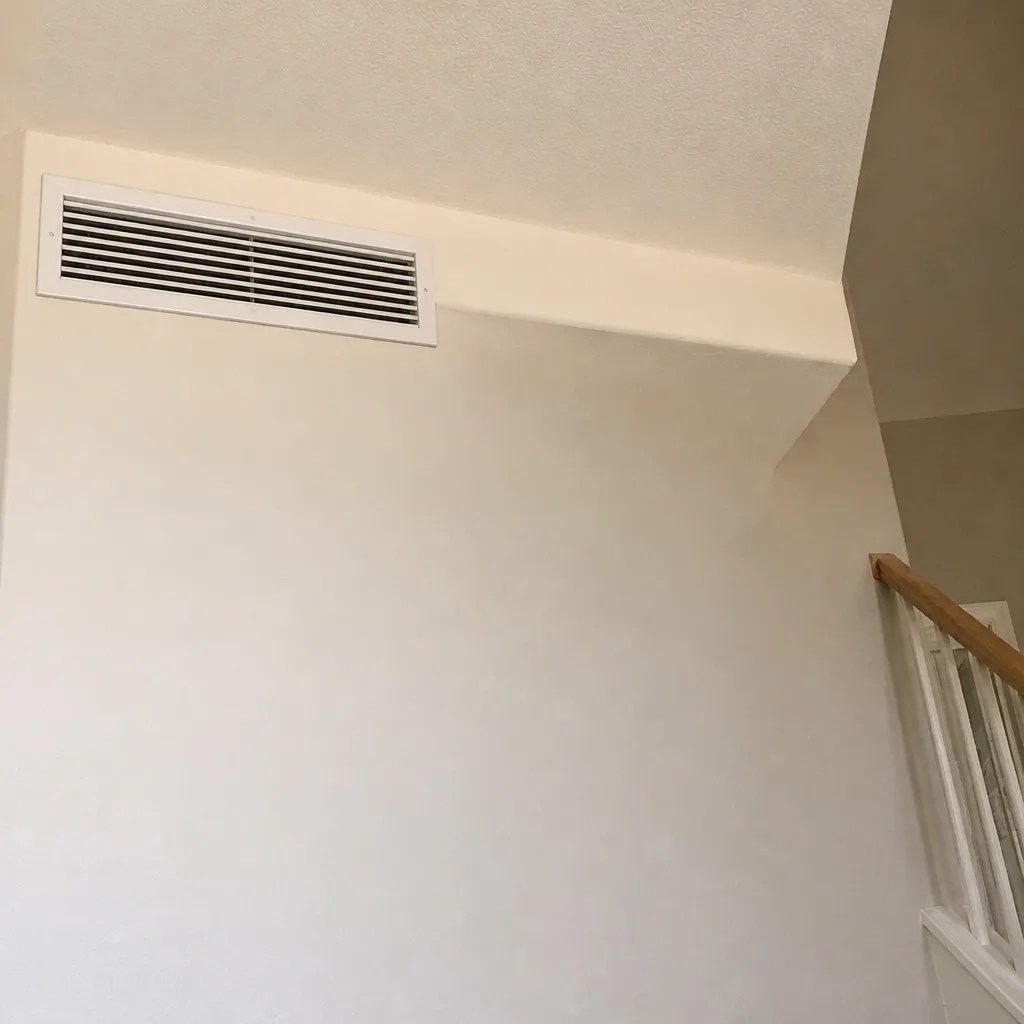
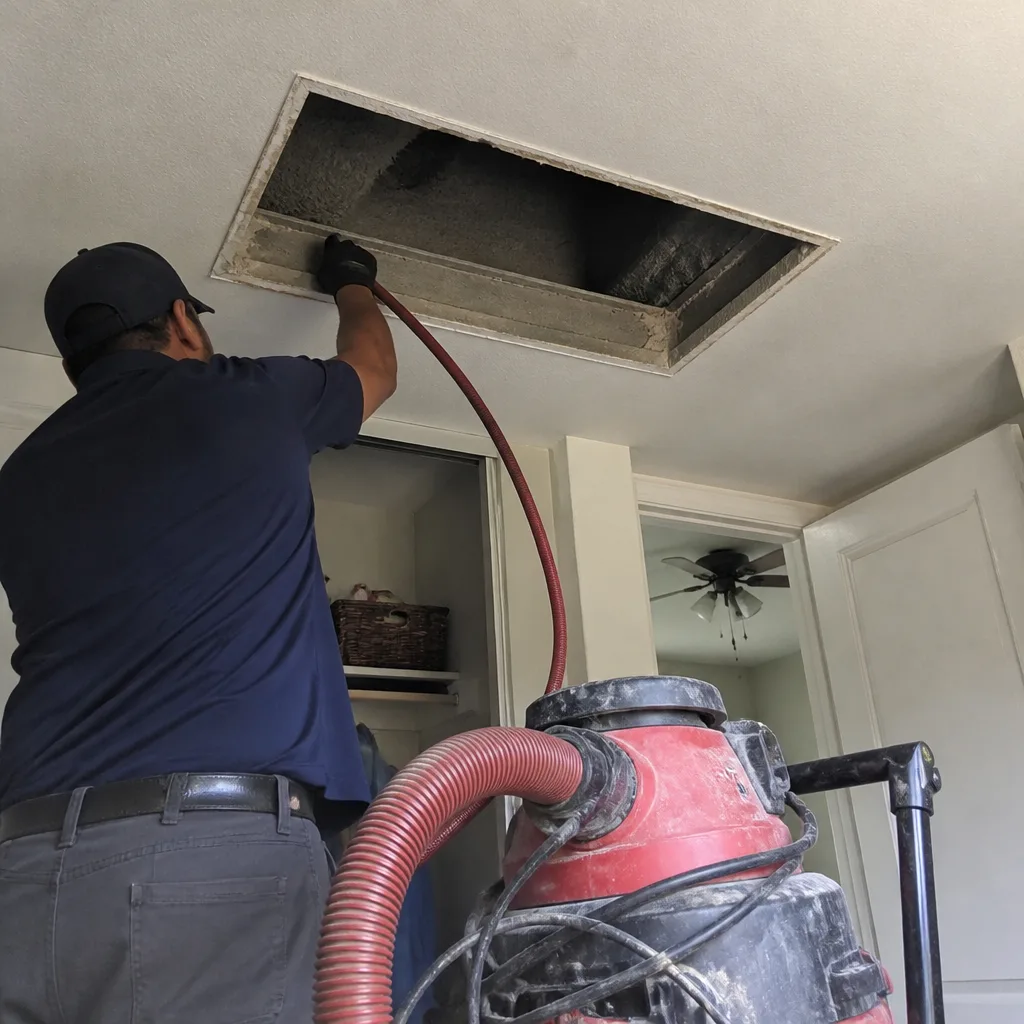
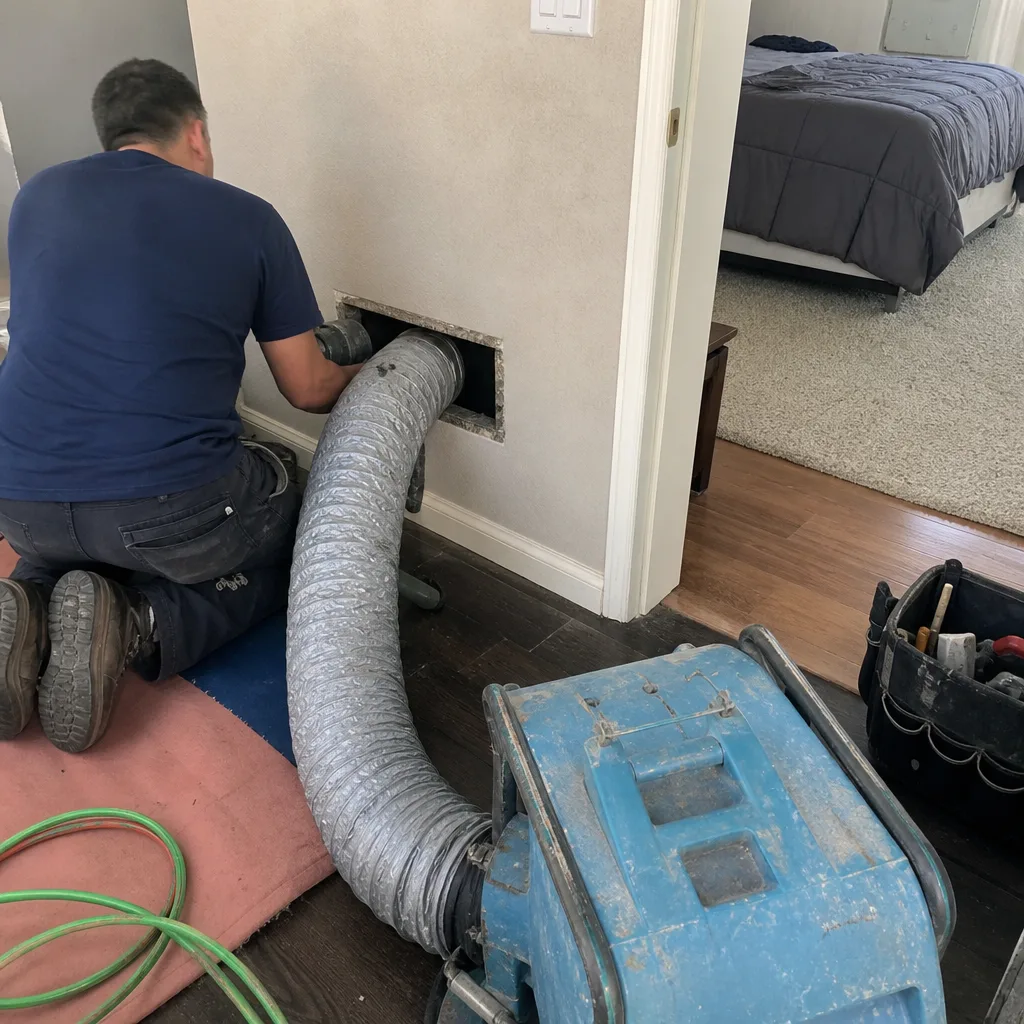
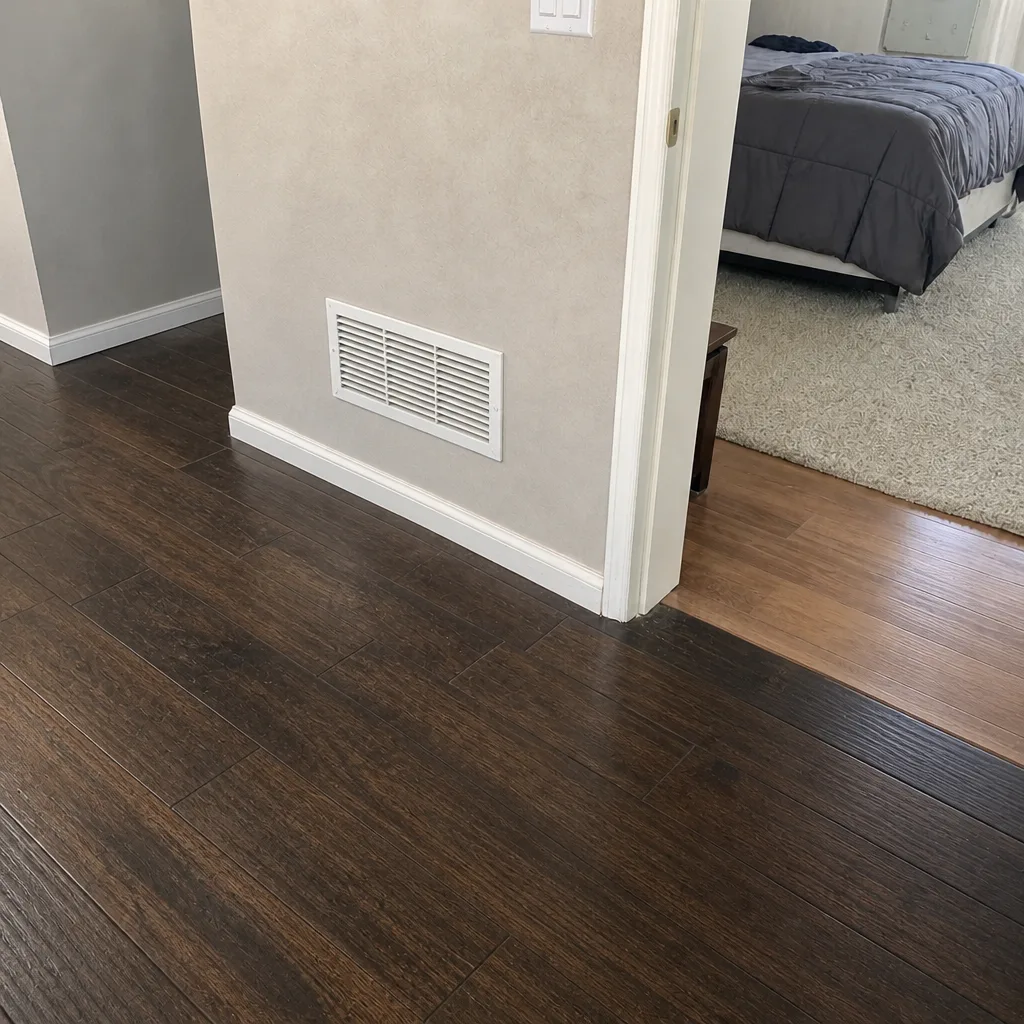
Whole-system duct and dryer vent check with before-and-after photos - you see exactly what came out of your vents
That "$99 whole-house special" is a bait ad - the real number appears once they are in your hallway, or the "clean" is a shop-vac at the register. We photograph the inside of your ducts before and after instead.
Air Duct Cleaning Emergency Preparedness Guide for Downtown San Diego Homes
Most Downtown San Diego homeowners think about their air ducts roughly never, until the day they have to. That day tends to arrive fast: a wildfire blankets the city in smoke, a demolition crew sends plaster dust through a neighboring high-rise, or a hot-water heater floods a third-floor unit and drains into the chase below. The misconception worth correcting is that a duct system is a passive box. It is an active pathway. Every cubic foot of air your HVAC moves travels through it, and in an emergency, that pathway either protects your air or distributes the problem to every room. This guide is a preparation plan for the duct side of a Downtown San Diego emergency, written from the perspective of a specialist who has traced contamination through enough duct runs to know what actually matters and what can wait.
Quick Answer
Duct emergency preparedness in Downtown San Diego means knowing when to shut your system down, what filter upgrade stops damage during a smoke event, and what documentation you need if contamination becomes an insurance claim. In most cases, a same-day assessment matters more than same-day cleaning: the priority is stopping contaminated air circulation, protecting the blower and evaporator coil, and photographing conditions before anything is disturbed. Air duct cleaning after an event is a remediation step, not a first response.
Styles & brands we work with
- Whole-home duct cleaning
- Dryer vent cleaning
- Camera inspection
- Sanitizing & deodorizing
Table of Contents
- Wildfire Smoke: The Downtown Duct Risk Profile
- When to Shut Down the System
- Filter Upgrades That Stop the Damage
- Construction and Demolition Contamination
- Documenting Duct Contamination for Insurance
- Emergency Response Timeline: What Can Wait, What Cannot
- Pre-Event Preparation: Reducing Risk Before an Emergency
- Moisture Intrusion and Duct Liner Damage
Wildfire Smoke: The Downtown Duct Risk Profile
During the 2020 wildfire smoke events, PM2.5 levels in San Diego reached dangerous thresholds for days, and every hour an HVAC system ran without intervention was an hour drawing that particulate through the duct system and into the building interior. Downtown San Diego is not tucked into a canyon like some East County communities that face direct flame exposure, but smoke travels. It moves through the same air corridors that clear the coast every afternoon, and a high-rise on Cortez Hill or a mid-rise in East Village has no special protection from what the wind carries. PM2.5 is fine enough to pass through a standard one-inch fiberglass filter without slowing down, which means the duct run itself becomes a settling chamber. That particulate loads the return side first, then the supply plenum, then every branch line in proportion to airflow.
What a homeowner notices in the first day or two is odors. Burnt smells linger because smoke fractions deposit on the blower wheel, the evaporator coil, and any fiberglass duct liner. What a technician finds weeks later is a gray film that has bonded to surfaces and continues off-gassing every time the system cycles. Ducts in older Downtown buildings, many built before 1980, often contain fiberglass liners for sound attenuation. Smoke particulate works into that porous surface in a way it does not on sheet metal. The recovery path for that condition is mechanical agitation with professional-grade equipment: a Nikro or Rotobrush system will dislodge what a shop vac cannot reach. If you notice smoke odors that intensify when the system runs, that is the signal to treat the duct system as contaminated, not just the air in the room.
When to Shut Down the System
The most common mistake we see after a smoke event is a homeowner running the fan continuously thinking it will help. It does the opposite. Continuous fan operation during heavy smoke pulls more contaminated air through the filter, past whatever the filter cannot catch, and deposits it deeper into the supply side. The protocol is counterintuitive enough that it is worth stating plainly: when outdoor PM2.5 is visibly elevated and smoke is in the air Downtown, set the thermostat fan to AUTO, not ON. AUTO means the fan runs only when the system is conditioning air. That reduces total particulate loading by a significant margin versus continuous circulation.
If smoke is heavy enough to smell indoors, shut the system down entirely and use it as needed for temperature control, understanding each cycle will load the ducts further. Close outside air dampers if you have them. Many Downtown condo units and office conversions draw outside air through a corridor system, and those dampers may not default closed. The shut-down decision is a judgment call, but the principle is simple: every hour of operation during a smoke event is an hour of filtration and an hour of deposition. Cleanable surfaces get filtered; what passes through becomes a duct problem. You are deciding where the smoke ends up.
After the outdoor air clears, do not assume the ducts are fine because the air no longer smells. Run the system once with a fresh high-MERV filter, then have the return and supply sides inspected. If visible soiling is present, cleaning is warranted. If the filter was a standard one-inch fiberglass unit during the event, plan on inspection regardless: the filter was not rated to stop PM2.5 and the particulate went somewhere.
Filter Upgrades That Stop the Damage
A filter upgrade is the highest-leverage preparation step a Downtown San Diego homeowner can take, and it costs less than most people expect. The goal during a smoke event is to catch as much PM2.5 as possible without choking the system. Start with MERV 13. MERV 13 filters are rated to capture a high percentage of fine particulate in the 1 – 3 micron range, which includes most wildfire smoke. They are widely available in 1-inch and 4-inch formats, and they fit most residential equipment without modification. The caveat is airflow. A 1-inch MERV 13 has higher pressure drop than a fiberglass unit, and some older blowers will struggle. If your system is pre-2010 and has a PSC motor, have a technician confirm the blower can handle the added resistance before running it that way through a multi-day smoke event.
A Honeywell media cabinet or Aprilaire filter housing is a more permanent solution. These are 4- to 5-inch deep media filters with far more surface area than a 1-inch filter, which means the same MERV rating at a lower pressure drop. In our experience with Downtown high-rise equipment, a media cabinet retrofitted at the return drop is one of the smartest pre-event investments available. It gives you the filtration you need during a smoke event without starving the blower. The equipment choice matters less than the rating, but brands like Honeywell and Aprilaire have consistent media performance across thousands of run-hours, which is what you are betting on when the filter stays loaded for a week of smoke.
One clarification that saves a lot of confusion: MERV 13 is a filtration target for smoke events, not a permanent recommendation for every home. If you have a newer variable-speed system, running MERV 11 or 13 year-round is reasonable. If your equipment is older or undersized for the unit, run the highest MERV the blower tolerates and change it more frequently during smoke season. A filter upgrade matters most before the event, because replacing a filter mid-event does not un-load the ducts.
Construction and Demolition Contamination
Downtown San Diego is a construction market unlike almost any other in the county. High-rise framing, facade renovation, and tenant-improvement demolition happen within feet of occupied residential units year-round. For a duct system, the threat is not just visible dust. It is fine particulate that enters through outside air intakes, open windows, and the gaps in the building envelope that every urban structure has. Demolition dust from concrete cutting, drywall sanding, and floor grinding is heavy and abrasive. It settles fast. The damage it does inside a duct run is mechanical wear on the blower wheel and coating of the coil surfaces, which reduces heat exchange and increases run times.
Pre-1980 buildings raise a different concern: asbestos disturbance. Downtown San Diego has a significant inventory of pre-1980 construction, and renovation work in those buildings is legally required to address asbestos-containing materials before demolition. But disturbance happens, and when it does, the dust that enters a neighboring unit through a shared chase or open window cannot be assumed benign. If you live in an older Downtown building and a renovation begins in an adjacent unit, document it. Photograph visible dust on your registers. If you know the work involves fireproofing, pipe insulation, or old flooring, have the duct system assessed by a professional with equipment capable of containing what it removes. Abatement Technologies equipment is what we use for containment-level collection in exactly these scenarios, because a standard duct vacuum exhausts air back into the space, and that is not acceptable when contamination is suspect.
The operational rule: any time construction dust is visible on your supply registers, it is also inside the supply run. The register is the last surface air touches before it enters the room. By the time dust accumulates there, the duct behind it is already loaded. Cleaning should address the full run, not just the visible portion.
Documenting Duct Contamination for Insurance
Insurance claims for duct contamination succeed or fail on documentation. The adjuster will not see what the homeowner saw three weeks earlier. Smoke odors dissipate, construction dust gets wiped off registers, and by the time the claim is written, the evidence is gone. That is why the documentation protocol starts before any cleanup happens. The sequence is specific, and it is worth following in order.
- Photograph everything before disturbing anything. Open a register, take a phone photo of the supply duct interior with the flash on. Do this at several registers. Visible soiling, film, or debris is the evidence. Do not wipe it.
- Photograph the filter. A loaded filter from a smoke event or construction period is direct evidence of what the system was processing.
- Document the event. Save the news reports, the building notice, the email from the property manager. The claim needs a source event, not just a dirty duct.
- Get a professional inspection report. A credible report notes the access point, describes visible conditions, includes photos, and states whether the contamination is consistent with the documented event.
- Keep the estimate. The estimate should state the cleaning method and scope. Insurance adjusters recognize professional equipment names, Rotobrush and Nikro included, and respond differently to a documented professional quote than to a vague cleaning invoice.
A note on expectations: insurance policies vary significantly on duct contamination. Some cover cleaning after a covered event like a fire or flood. Some exclude it. What the documentation does is make the claim defensible. Without it, a homeowner is asking an adjuster to take their word for a condition that has since been cleaned away. With it, the claim has substance. If you are uncertain, document first and call your carrier before authorizing work.
Emergency Response Timeline: What Can Wait, What Cannot
Not every duct problem is an emergency, and treating all of them as emergencies wastes money. The distinction is between active contamination and residual soiling. Active contamination means something is still entering the system or still off-gassing. Residual soiling means the event is over and the ducts are dirty. The first needs same-day attention. The second can wait weeks without additional harm. This is the triage framework we use in Downtown San Diego buildings after a smoke or construction event.
Same-day assessment: Standing water in a duct run, odor that intensifies when the system runs, visible mold growth on a register or duct surface, any suspect asbestos disturbance in a neighboring pre-1980 renovation. These are active problems that worsen by the hour. Shut the system down and get a professional assessment the same day. Call (866) 282-6412. We answer 24/7. Fast dispatch from 7am to 7pm, Sunday through Friday.
Within the week: Heavy soiling visible in the duct after a construction event, smoke odor that persists after outdoor air clears, a filter loaded with soot or construction dust. These are event-driven conditions that will not resolve on their own and should be addressed while the source event is still recent enough to document for insurance.
Can wait weeks: Routine soiling in a system with no recent event, dust accumulation consistent with years of normal operation, mild odor that does not change with system operation. These are maintenance items, not emergencies, and scheduling them on a normal timeline costs nothing in terms of additional damage.
The value of a quick assessment call is triage, not a sales pitch. A homeowner should know which category they are in before they spend money. That is the purpose of the first call.
Pre-Event Preparation: Reducing Risk Before an Emergency
Preparedness is cheaper than response, and it is mostly a matter of reducing the pathways and the surface area that contamination can use. Start with the filter media, covered above. Then seal the return air system. In older Downtown buildings, the return air path often runs through building cavities rather than dedicated return ducts: the space above a drywall ceiling or a chase between walls becomes the return plenum. Those cavities are connected to the outside through gaps you cannot see. Sealing them means visible cracks around return grilles, access panels, and any chase openings get closed with mastic or foil tape. A sealed return means the only air entering the system comes through the filter, which is the entire point of a filter.
Next, clean the duct system before an event if it has not been cleaned in years. There is a somewhat grim arithmetic here: whatever is already in the ducts becomes the base layer that new contamination bonds to. A clean sheet-metal surface releases contaminants more easily during professional cleaning than a surface that has been accumulating dust for a decade. The existing deposit acts like a substrate. Pre-event cleaning is especially relevant for Downtown buildings in construction-heavy areas or on lower floors near street-level activity, where continuous ambient dust loading is a fact of the building’s life.
Finally, know your system. Know where the filter is, what size it takes, and whether you have a bypass humidifier or an ERV that needs attention during a smoke event. Keep a spare filter in the unit. The day the smoke arrives is not the day to discover your filter slot takes an oddball size no one stocks. A homeowner who knows their system and has a spare MERV 13 on the shelf has already done more preparation than most of their neighbors.
Moisture Intrusion and Duct Liner Damage
Downtown San Diego’s emergency profile includes a quieter threat that gets less attention than smoke: water. A high-rise plumbing failure on an upper floor sends water down through chases and ceiling cavities. A fire in one unit wets the building through fire suppression. A flood event in a low-lying Downtown building soaks the mechanical spaces. When water enters a duct run, the damage is not limited to the wet section. Water wicks along fiberglass liner, saturates it, and creates the conditions for mold growth inside the air distribution system. That is a health issue and a duct replacement issue, not a cleaning issue.
Fiberglass-lined ducts are common in older Downtown construction because the liner controls the noise of a central fan in a dense building. The liner is porous and organic once it is wet. Mold grows inside the glass matrix where no surface wipe can reach. If a duct run has been wet, the professional question is not whether to clean it but whether the liner is salvageable. Sometimes it is, if the water was clean and the exposure was short. Often it is not. The honest answer requires opening the duct and looking at the liner material, not just running a vacuum through it. A specialist will tell you if the liner is compromised. A cleaning-only company may not.
The preparation angle here is straightforward: after any water intrusion event above or near your unit, inspect the registers and the filter for moisture. Check the ceiling below mechanical spaces for staining. If you suspect water in the ducts, shut the system down and get an assessment. Mold begins colonizing within days of a wetting event, so the same-day to within-the-week timeline applies. Water damage is the one duct emergency where delay directly increases the cost.
Common Mistakes to Avoid
- Running the fan continuously during a smoke event. More air circulation means more particulate deposition in the ducts. Use AUTO, or shut down entirely if smoke is heavy.
- Assuming a dirty filter proves the ducts are clean. A loaded filter proves the filter worked. Everything small enough to pass through it went into the duct system.
- Wiping registers before taking photos. Register soiling is claim evidence. Photograph it before anyone cleans it.
- Treating all dirty ducts as an emergency. Residual soiling can wait. Active contamination cannot. The distinction saves money in one direction and prevents damage in the other.
- Replacing a filter mid-event without knowing the blower’s tolerance. A high-MERV filter on an older PSC motor can starve the system. Confirm airflow compatibility before treating MERV 13 as a universal upgrade.
- Ignoring the return air path. In older Downtown buildings, the return often runs through building cavities. If it is not sealed, the filter is filtering nothing.
- Delaying assessment after water intrusion. Wet duct liner and mold growth compound daily. Water is the one scenario where a week makes a measurable difference in remediation cost.
See the difference
 Before
 After
 Before
 After
 Before
 After
When to Call a Professional
Call a professional when the condition involves active contamination, suspect materials, or a wet duct run. Specific triggers: visible mold growth on a register or duct surface, water intrusion from a plumbing failure or fire suppression, smoke odor that persists after the outdoor air clears, documented asbestos disturbance in a neighboring pre-1980 renovation, or construction dust visible on supply registers. Any of these warrants a professional assessment, and in most cases that assessment is not intrusive: a technician opens a register, inspects the return and supply sides, and tells you what you are dealing with. Blackstone Air Duct Cleaning offers free estimates in Downtown San Diego. Call (866) 282-6412. We answer 24/7. Fast dispatch from 7am to 7pm, Sunday through Friday.
Frequently Asked Questions
Yes, professional air duct cleaning is the correct response after wildfire smoke has contaminated a duct system, because smoke particulate deposits throughout the return and supply sides and continues off-gassing. The cleaning method matters: it requires mechanical agitation from professional equipment like a Rotobrush or Nikro system, not a vacuum pass alone. Call (866) 282-6412 for an assessment and written estimate if your Downtown San Diego home has been through a smoke event.
Visible dust on supply registers is the strongest indicator, because the register is the last surface air touches before entering the room and dust there confirms dust throughout the run. A loaded filter during a construction period, gray film on the blower cabinet, and a grinding sound from the blower wheel are additional signs. An inspection with a camera through the main trunk and branch lines confirms the extent.
Run the system only for the temperature control you need, with the fan set to AUTO, and a MERV 13 filter installed if your blower can handle it. Continuous fan operation during heavy smoke loads the ducts faster. If smoke is detectable indoors, shutting the system down entirely is the safer choice until outdoor air clears.
A defensible inspection report includes access point documentation, photographs of the return and supply sides, a description of visible conditions, a comparison of filter loading to the documented event, and a written estimate stating the cleaning method and scope. The report is what an insurance adjuster reviews, and detail matters more than length.
Same day, if possible. Water in a duct run saturates fiberglass liner, and mold colonization begins within days in the warm, dark conditions inside a duct system. Shut the system down and get an assessment immediately. A wet liner is potentially a duct replacement issue, not a cleaning-only issue.
Air duct cleaning addresses the contamination that circulated through your HVAC system. Dryer vent cleaning addresses a separate fire-safety risk: the lint accumulation in your dryer exhaust. After a structure fire or heavy smoke event, both systems should be assessed independently, because the contaminants and the risks are different.
The Bottom Line
A duct emergency in Downtown San Diego follows a pattern: an event occurs, the system keeps running, and the contamination becomes a distributed problem that is harder to document and harder to remediate. The response plan is simple at its core. Know when to shut down. Upgrade the filter before the event. Document conditions before disturbing them. Distinguish between active contamination and residual soiling so resources go where they matter. Seal the return path so the filter does its job. And when water, smoke, or suspect materials are involved, get a professional assessment on the shortest reasonable timeline. The duct system is a pathway. Preparedness means controlling what travels through it.
Written by the team at Blackstone Air Duct Cleaning, serving Downtown San Diego since 2018.