
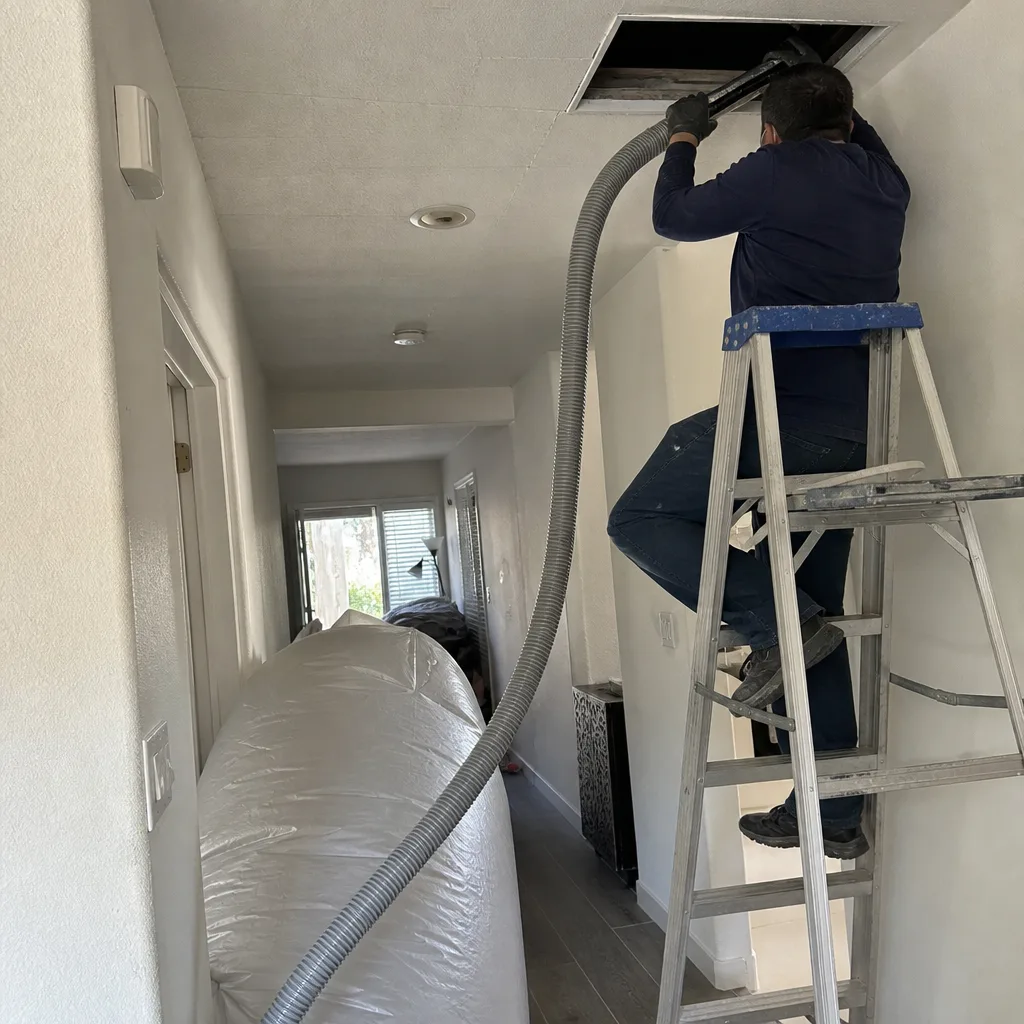
Last updated November 4, 2026
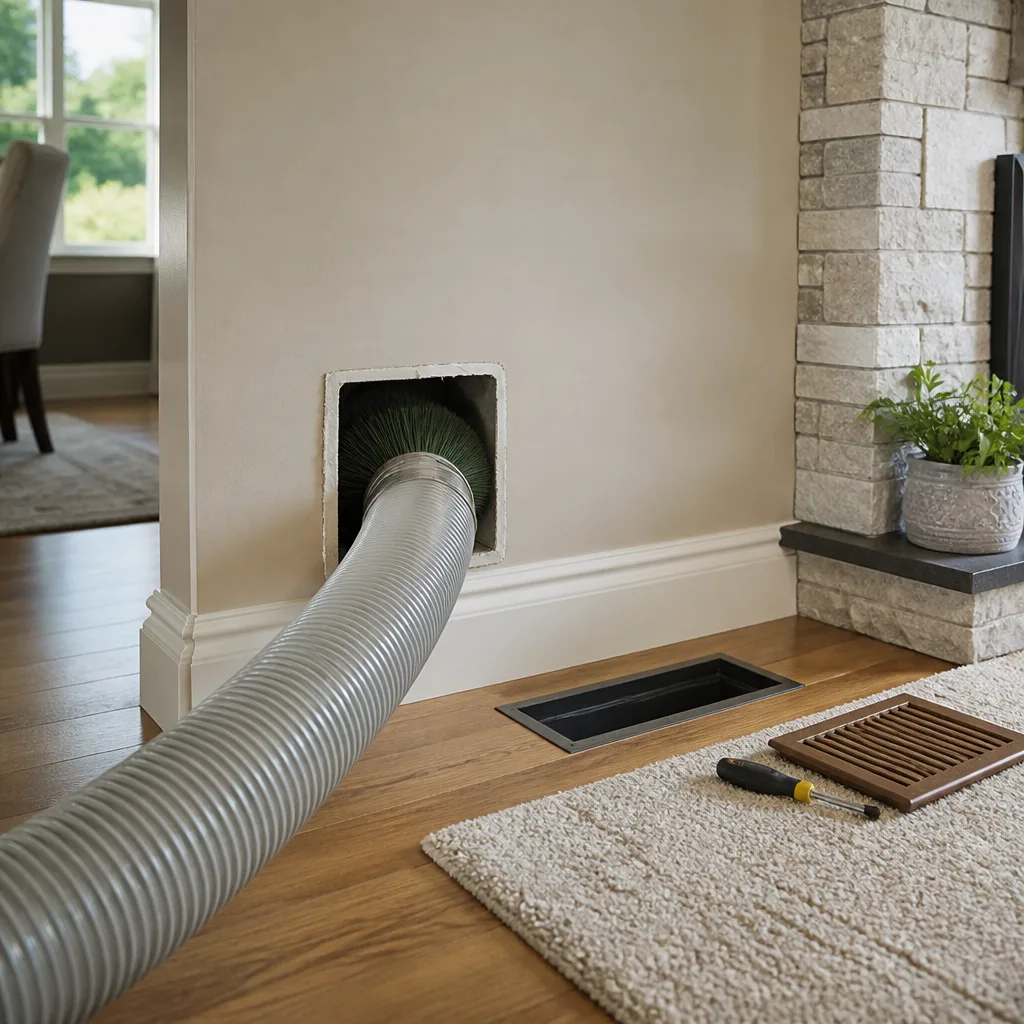 Whole-home duct cleaning
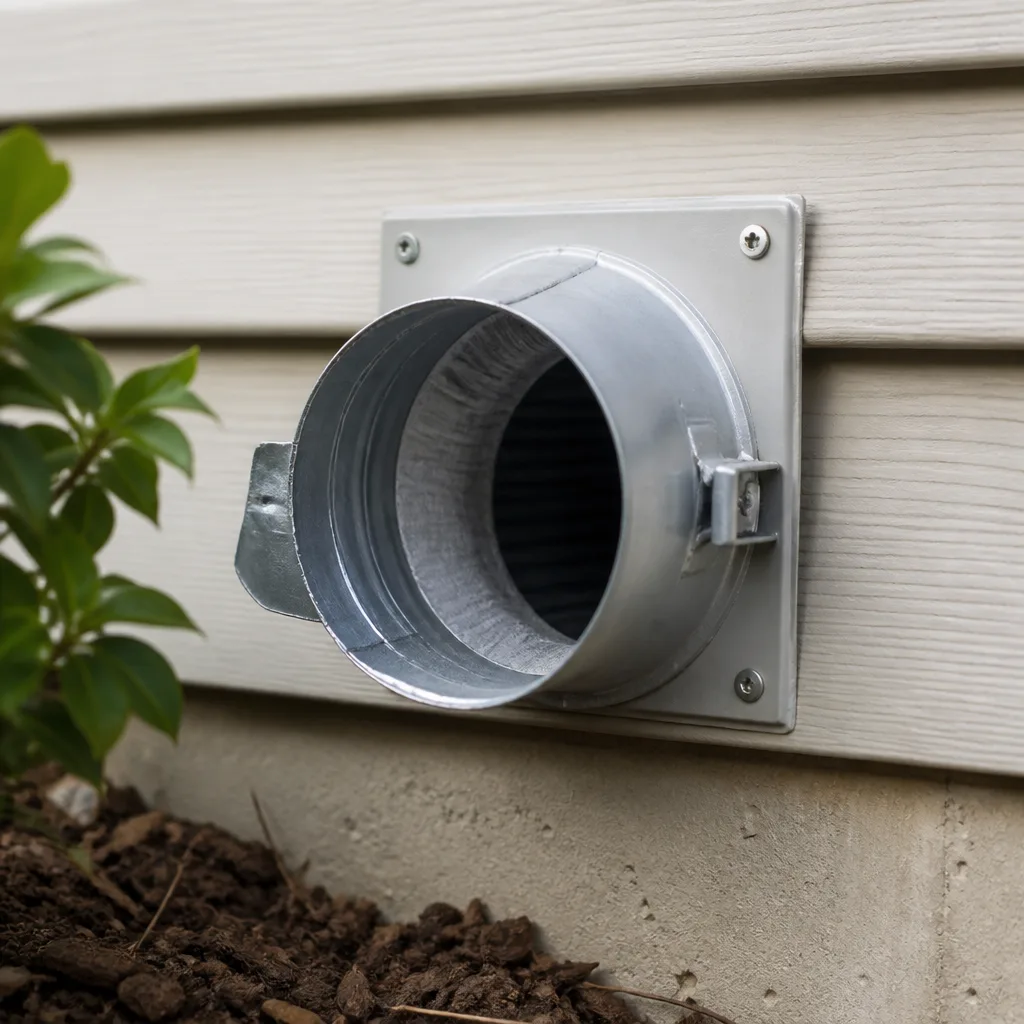 Dryer vent cleaning
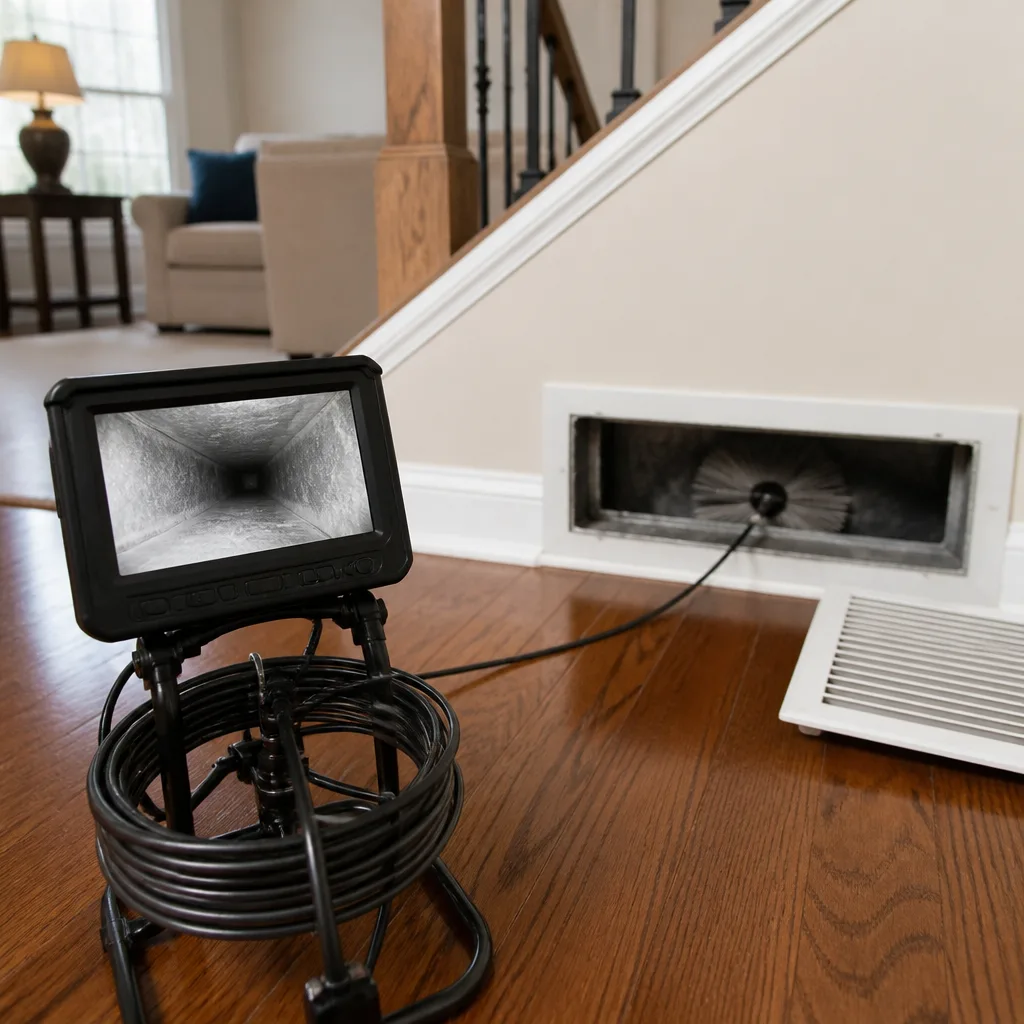 Camera inspection
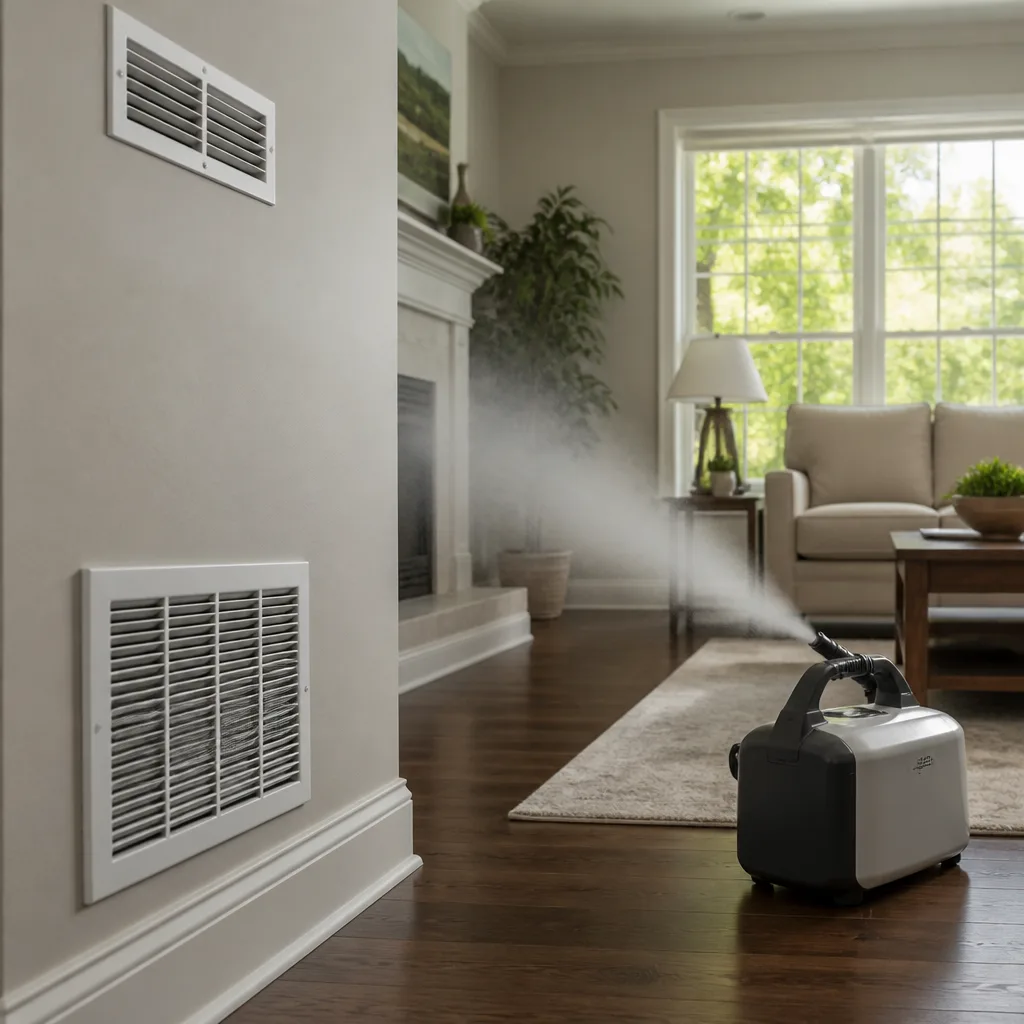 Sanitizing & deodorizing
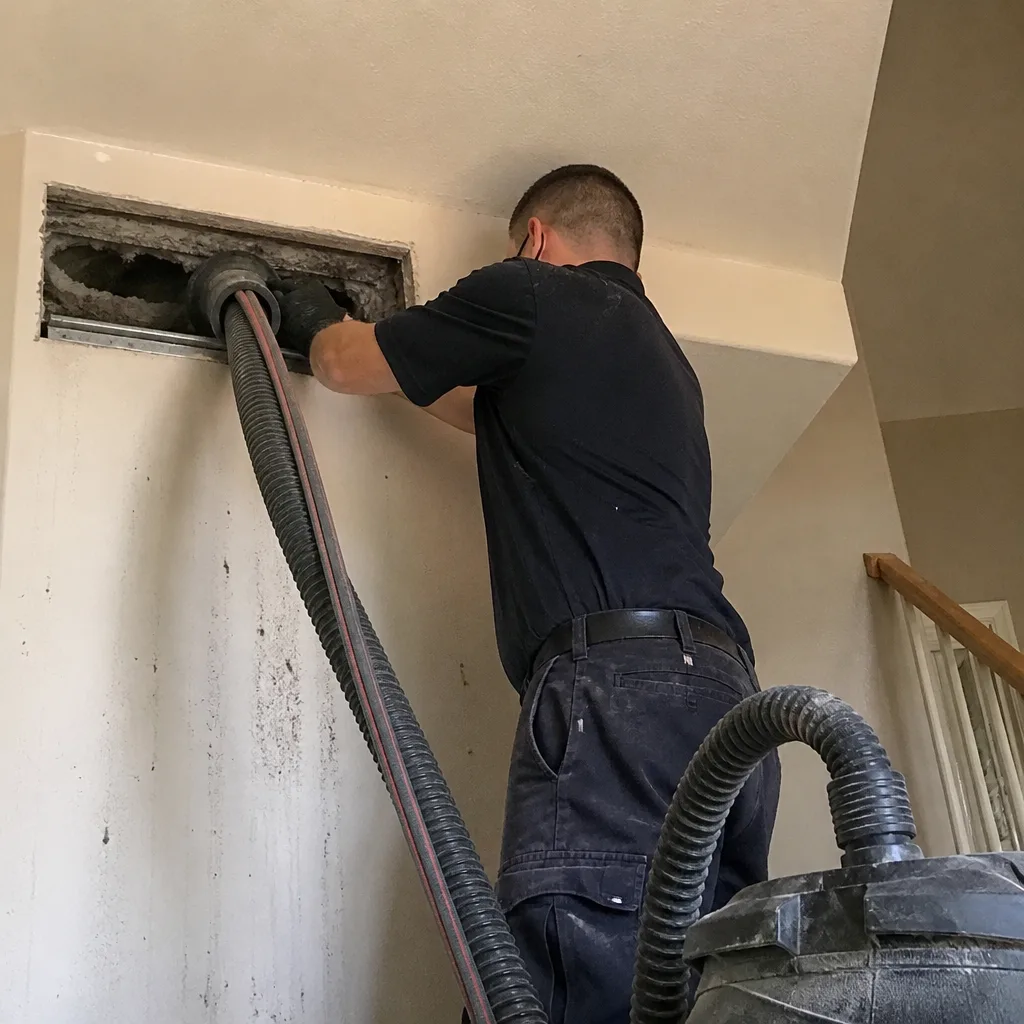
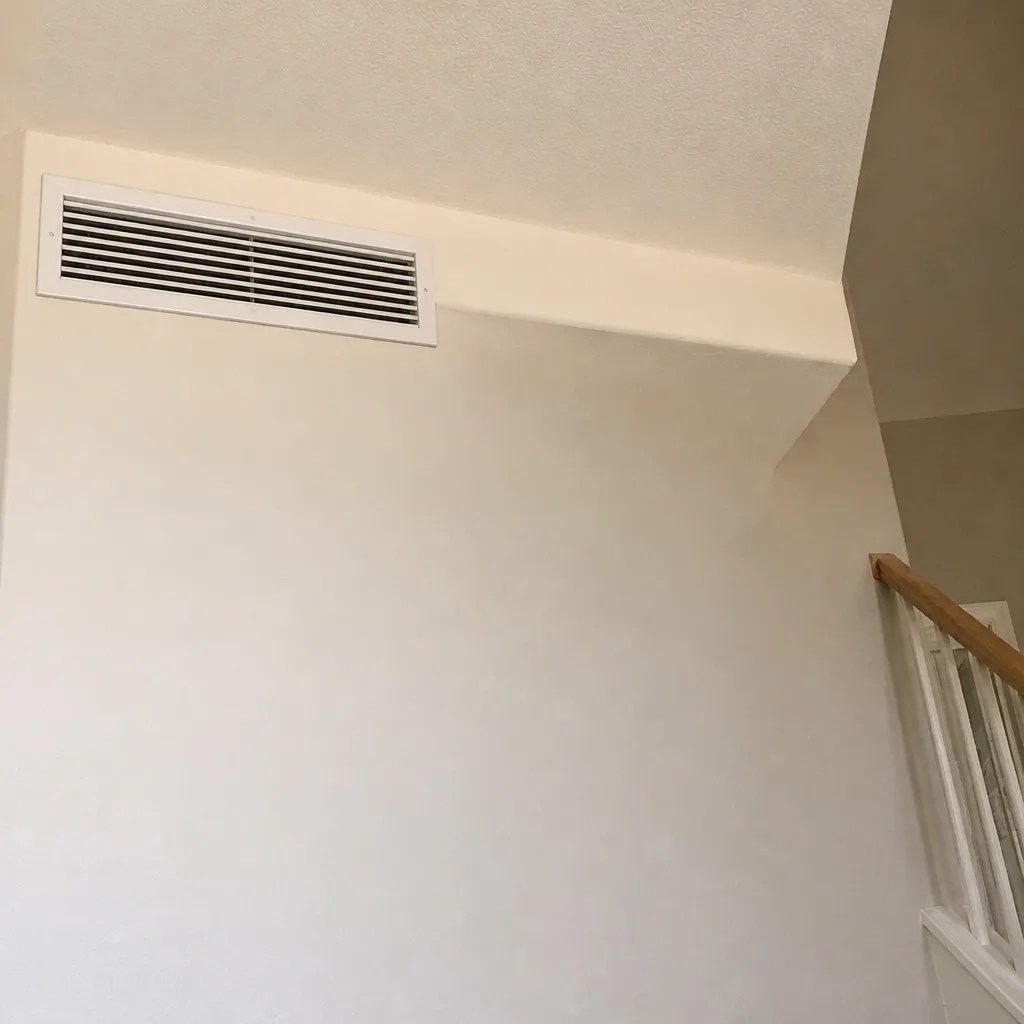
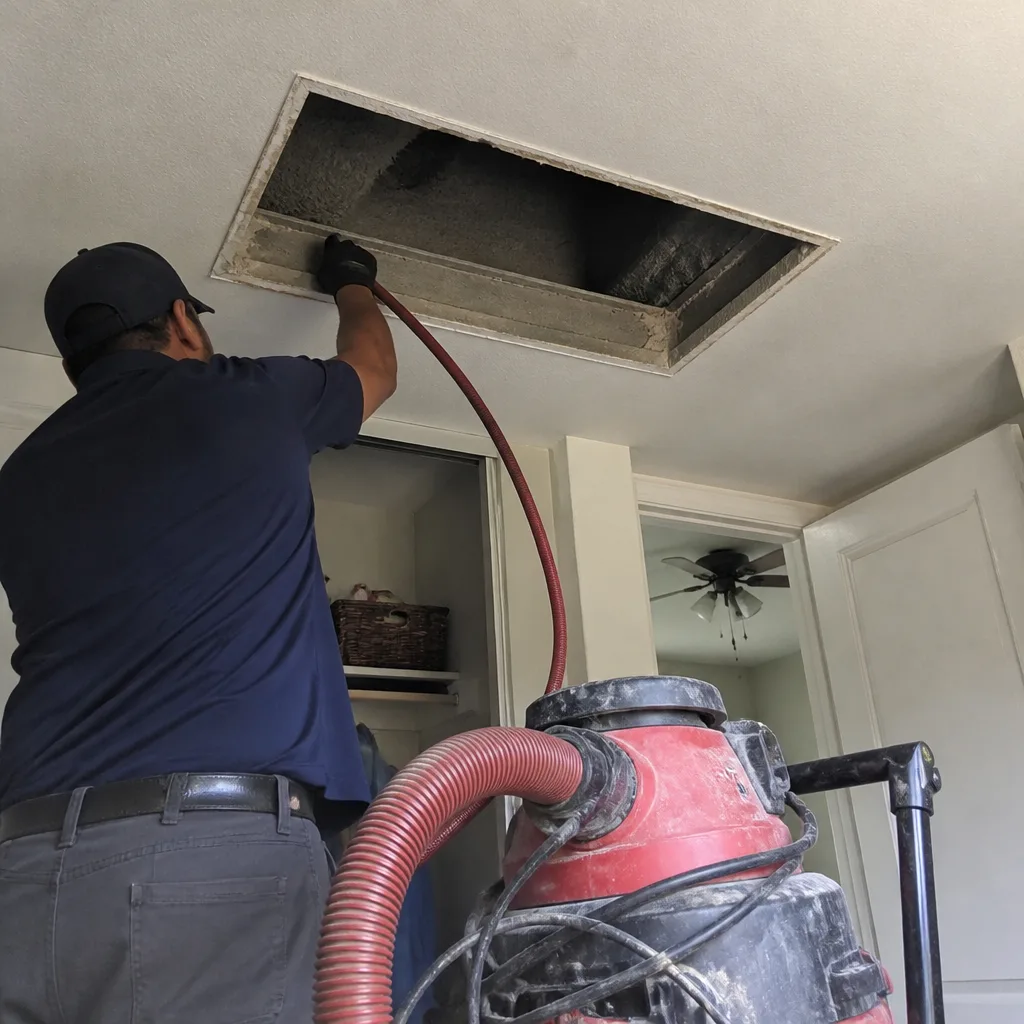
Whole-system duct and dryer vent check with before-and-after photos - you see exactly what came out of your vents
That "$99 whole-house special" is a bait ad - the real number appears once they are in your hallway, or the "clean" is a shop-vac at the register. We photograph the inside of your ducts before and after instead.
The Complete Guide to Air Duct Cleaning in Downtown San Diego
Most air duct cleaning guides are written for suburban tract homes in Phoenix or Atlanta, where the biggest worry is a little dust from the desert or pollen from the pecan trees. Downtown San Diego is a different animal entirely. We’re talking mid-century concrete towers, converted warehouses in the Gaslamp, marine-layer humidity that rolls in most evenings, and mixed-use buildings where your ductwork might share a riser with a restaurant downstairs. Those generic guides never mention any of that, and that’s exactly why this one exists. By the time you finish reading, you’ll know what a proper cleaning actually involves in this specific built environment, what it should cost, how to verify the work was done, and what separates a real specialist from a coupon crew with a shop vac.
Quick Answer
Air duct cleaning in Downtown San Diego typically costs between $450 and $900 for a full system in a one-to-two bedroom condo, depending on the number of supply and return vents, the age of the building, and whether the ducts have ever been cleaned before. A thorough job uses rotary brush agitation and high-powered negative-air collection, not a consumer-grade vacuum, and takes between two and four hours. In high-rise buildings, expect to coordinate with building management for access to mechanical rooms and to schedule around freight elevator availability.
Styles & brands we work with
- Whole-home duct cleaning
- Dryer vent cleaning
- Camera inspection
- Sanitizing & deodorizing
Table of Contents
- Why Downtown San Diego’s Duct Systems Are Different
- What Your Building Type Means for Duct Cleaning
- What a Complete Cleaning Actually Includes
- What Air Duct Cleaning Costs in Downtown San Diego
- How to Verify the Cleaning Was Actually Done
- Signs Your Ducts Need Cleaning Now
- How to Choose a Duct Cleaning Company Downtown
- Common Mistakes to Avoid
- When to Call a Professional
Why Downtown San Diego’s Duct Systems Are Different
Here’s the thing nobody tells you about living in a dense urban core: your ductwork is dealing with conditions that a house in Clairemont or a condo in Mission Valley simply doesn’t face. The marine layer that rolls in off the water most evenings pushes relative humidity up, and that moisture finds its way into return plenums, especially in older buildings where the envelope isn’t sealed tight. When humid air hits the cool surfaces inside your duct system, condensation forms. Condensation plus dust equals a sticky film that coats duct walls and becomes a breeding ground for biological growth. It’s not a dramatic problem overnight, but it accumulates year after year.
High-rise living adds another variable. In a mixed-use building, your duct risers may carry air past commercial kitchen exhausts, parking garage vents, and trash chutes. The pressure differentials in tall buildings pull air from places you wouldn’t expect, which means contamination can enter your system from outside your own unit. Add in construction dust from the constant renovation cycles in Downtown San Diego, and you’ve got conditions that a suburban duct guide never considers. Construction dust is heavier than household dust. It settles differently, it packs into corners and transitions, and it requires real agitation to remove, not just suction.
We’ve cleaned systems in buildings where the ducts hadn’t been touched since the building went up, and the amount of drywall dust and concrete particulate that came out would surprise most homeowners. The point isn’t to alarm you. It’s to explain why duct cleaning in this zip code is a different job than duct cleaning in a single-family home with a crawl space.
What Your Building Type Means for Duct Cleaning
Downtown San Diego’s building stock spans roughly a hundred years, and each era has its own ductwork characteristics. Understanding what’s behind your walls changes how a cleaning needs to be approached.
Gaslamp Quarter and Early 20th Century Buildings
Many of the buildings in the Gaslamp were originally commercial spaces, later converted to residential lofts in the 1980s and 1990s. The conversions often retrofitted HVAC systems into spaces never designed for them, which means duct runs can be long, oddly angled, and made of old sheet metal with failing seals. If you’re in a converted warehouse or loft, your ducts may have interior insulation that’s breaking down, and that degraded material needs to be handled carefully during cleaning. Aggressive brushing can dislodge old insulation, so the cleaning method matters. You want agitation that’s thorough but controlled, not a high-speed brush run by someone who doesn’t understand the system’s age.
Marina District and East Village Mid-Rise Towers
The condo towers that went up in the 2000s construction boom are a different story. These buildings typically have flexible ductwork connecting to central risers, and flex duct is fragile. It tears, it kinks, and it collapses if the wrong equipment is used on it. A proper cleaning in these buildings uses lower-pressure negative air and gentle rotary brushing, not the kind of force you might use on rigid metal duct. Access is another consideration. In a tower, the main trunk lines are often behind locked mechanical room doors, and the building requires coordination with management to access them. A professional crew that works downtown regularly knows how to schedule this, who to call, and what access hours the building allows.
Little Italy and Cortez Hill Conversions
Little Italy has a mix of older mid-rise apartment buildings and newer condo developments. The mid-century buildings often have rigid galvanized duct with accumulated rust around the connections, especially near the coast-facing sides where humidity is higher. Rust doesn’t necessarily mean the ducts need replacement, but it does mean the cleaning assessment should include checking joint integrity. In our experience, these systems often benefit from a full inspection before cleaning begins, because decades of minor leaks have pulled in dust from wall cavities and ceiling plenums.
What a Complete Cleaning Actually Includes
The honest truth about duct cleaning is that there are two very different levels of service being sold under the same name. One is a legitimate source-removal cleaning, and the other is what we call a sweep-only job, which is mostly theater. Here’s what a real cleaning looks like, step by step, when it’s done correctly.
- System inspection: A technician opens the supply and return registers, checks the accessible trunk lines, and evaluates what’s in the system before any equipment is set up. This tells them what level of contamination they’re dealing with and whether there’s any damage that needs repair first.
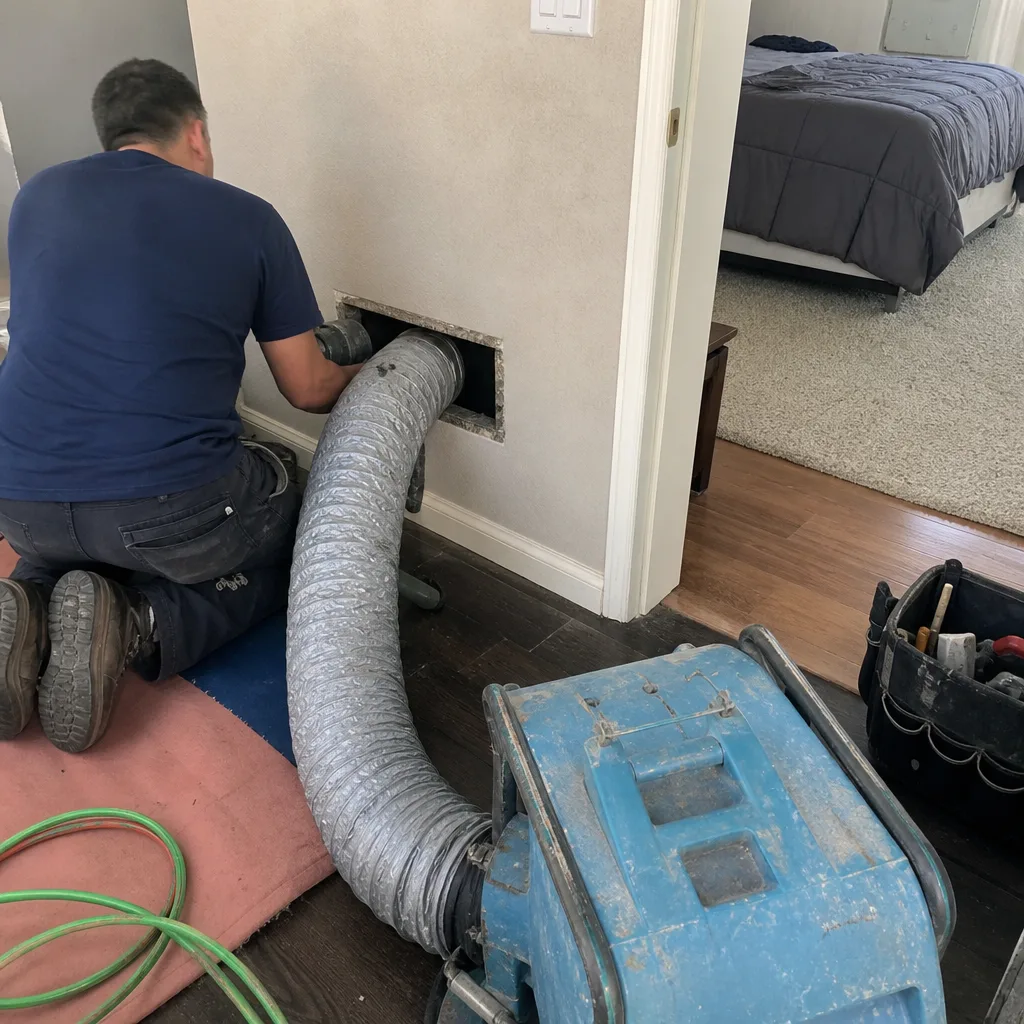
- Setup and sealing: Each register is sealed, and the system is connected to a high-powered negative air machine that pulls air through the ductwork while the cleaning happens. This is not a portable shop vac. It’s a truck-mounted or portable HEPA-filtered unit that maintains negative pressure continuously, capturing what’s dislodged instead of blowing it back into your living space.
- Agitation: This is where the real work happens. A rotary brush system like Rotobrush travels through the duct, physically scrubbing the walls and dislodging the packed-on dust, construction debris, and biofilm that suction alone can’t move. In larger systems, we may also use compressed air agitation tools from Nikro, the same brand restoration professionals rely on for jobs that require serious particulate removal.
- Collection and filtering: Everything the agitation loosens is pulled directly into the negative air machine’s filtration system, not redistributed through the home. The filters capture particulate down to HEPA levels, which matters a lot in small downtown units where air volume is limited.
- Component cleaning: Registers, grilles, and accessible plenum surfaces are wiped down and vacuumed. If the blower motor and coil are accessible, they should be inspected and cleaned as well, because that’s where much of the contamination comes from in the first place.
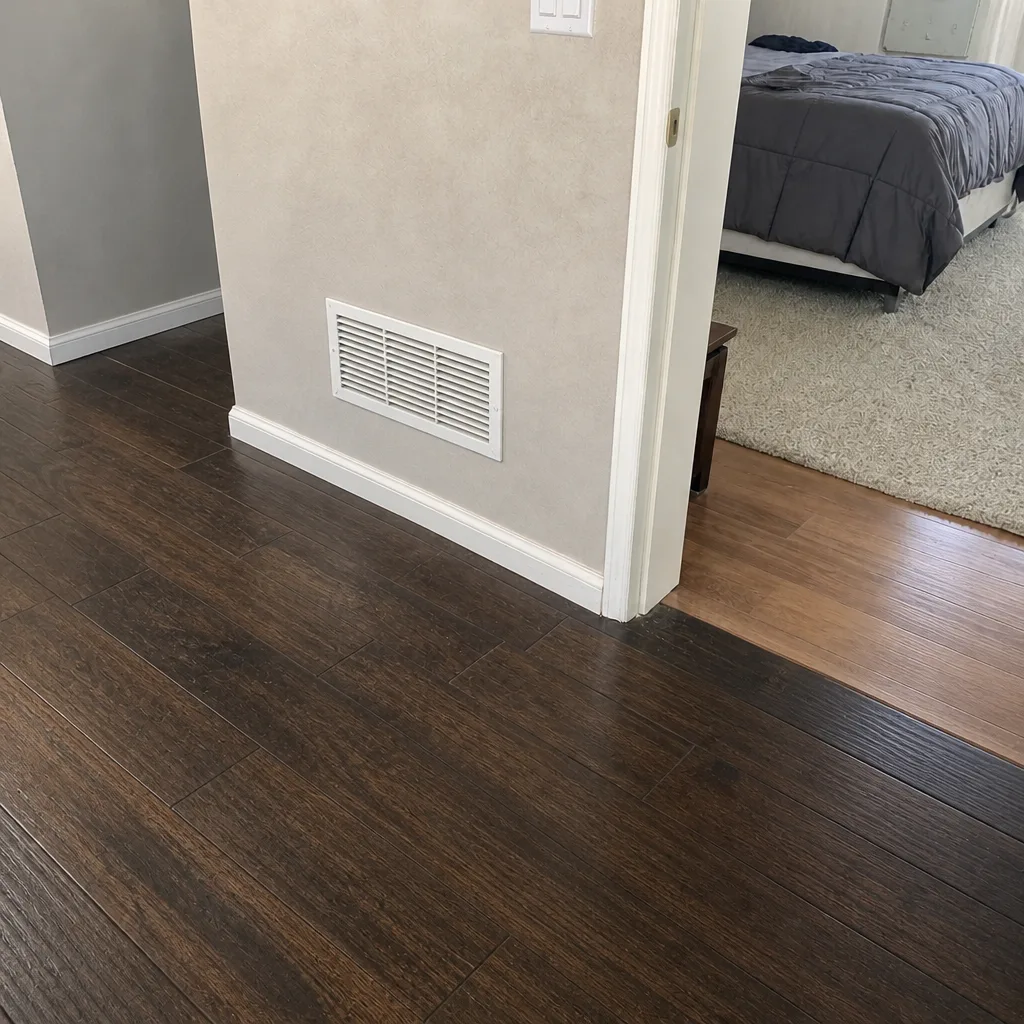
- Post-cleaning verification: Before-and-after photographs are taken at the same locations inside the ducts, so you can see the difference with your own eyes. A professional crew provides this documentation without being asked.
Anything less than this sequence, particularly the agitation step, is a partial job. Suction alone does not remove the film that builds up on duct walls over years of exposure to humid coastal air. We use professional-grade equipment, not shop-vac shortcuts, because the job demands it.
What Air Duct Cleaning Costs in Downtown San Diego
Duct cleaning pricing in Downtown San Diego is not standardized, and that’s a problem. You’ll see advertised prices from $99 to $1,500 or more, and the range exists because different companies are describing different jobs. Here’s a realistic breakdown of what you should expect to pay for a legitimate full-system cleaning in this market.
| Scenario | Typical Range | What It Includes |
|---|---|---|
| Small condo, 1 bedroom, under 10 vents | $450 – $600 | Full source removal, rotary brush agitation, all registers and returns, before/after photos |
| 2-bedroom condo, 10 – 15 vents | $550 – $750 | Full source removal, rotary brush agitation, component cleaning, before/after photos |
| Large loft or 3-bedroom unit, 15+ vents | $700 – $900 | Full system cleaning, longer duct runs, multiple returns, component cleaning, photos |
| Add-on: Dryer vent cleaning | $150 – $250 | Dedicated dryer vent cleaning as a separate fire-safety service |
| Add-on: Guardsman protective treatment | Quoted per job | Post-cleaning antimicrobial and protective coating applied to interior duct surfaces |
These are typical ranges based on the systems we see in buildings across Downtown San Diego, from the Gaslamp to Cortez Hill. The written estimate sets the final price, and that estimate should be given to you before any work begins. If a company won’t put the price in writing first, that’s a red flag. The industry’s reputation for bait-and-switch pricing exists for a reason, and the way to protect yourself is to insist on a written quote tied to the actual number of vents in your unit.
Why Some Quotes Are So Much Cheaper
The $99 or $149 duct cleaning special is almost never a full cleaning. It’s usually a per-vent teaser price that multiplies once the technician arrives and explains that you have nine vents, two returns, and a main trunk line that all cost extra. By the time they’re done, you’re paying more than you would have for a straightforward whole-system quote. Other cheap operations simply do a shallow register vacuum with a consumer-grade machine and call it cleaned. A proper source-removal cleaning in Downtown San Diego takes real time and real equipment, and nobody is doing that for $99 without losing money, which means they’re not doing it at all.
How to Verify the Cleaning Was Actually Done
This is the most common question we hear from homeowners who’ve been burned before or who are simply skeptical, and they’re right to be. Duct cleaning happens inside walls you can’t see into, which makes it the easiest service in the world to fake. Here’s what a professional crew should provide without you having to ask, and what you should insist on if it’s not offered.
- Before photos: Accessible duct sections should be photographed before cleaning begins. These should show the actual interior of your ducts, not just the register opening.
- After photos: The same locations photographed after cleaning. The difference between the before and after images is your primary evidence that work was done. If the after photos look like the before photos, the job wasn’t done.
- Visual inspection access: A professional will open at least one or two register points after cleaning and let you look inside with a flashlight. If they won’t do this, ask why.
- Filter condition: The negative air machine’s filters will be visibly loaded with debris after a real cleaning. While you don’t need to inspect the filters yourself, a professional crew can show them to you, and the difference between clean filters and loaded filters tells a story.
- Airflow improvement: After cleaning, airflow from registers should feel noticeably stronger in a dirty system. This isn’t a precise measurement, but it’s a real-world verification that restriction has been removed.
In our experience, the companies that provide this documentation willingly are the ones doing the work correctly. The ones that resist documentation are usually the ones cutting corners. You have a right to know what you paid for, and in a dense downtown unit where the duct runs are short and access points are limited, before-and-after photography is straightforward for any professional operator.
Signs Your Ducts Need Cleaning Now
Duct cleaning isn’t something most homeowners need annually. In Downtown San Diego’s environment, with the marine layer humidity and the constant construction in surrounding buildings, we generally see systems that benefit from cleaning every three to five years, with some variation depending on lifestyle factors. Here are the specific signs that mean your ducts have crossed from “not yet due” to “worth doing now.”
- Visible dust buildup around registers: If the areas around your supply vents consistently collect a gray film within days of wiping, the ducts are distributing accumulated dust, not just moving air.
- Construction dust after a renovation: If you’ve remodeled, or if a neighboring unit has remodeled and the building’s shared risers pulled construction dust into your system, cleaning is warranted. Drywall dust is abrasive and settles into every contour of the ductwork.
- Persistent musty odor when the system runs: That smell is condensation-fed biological growth in the duct walls or the coil. The marine layer humidity makes this more common in buildings closer to the water than further inland.
- Visible dust blowing from registers when the system starts: A quick puff is normal. A visible stream of particulate that continues is not.
- Respiratory irritation that improves when you leave home: If family members with allergies or asthma feel worse when the HVAC runs and better when they’re out of the unit, the system may be recirculating contaminants.
- Pet hair accumulating at the return grille: Pet dander gets pulled into the return and coats the duct walls. In small downtown units with limited air volume, this concentrates more quickly than in larger homes.
If you’re noticing one or more of these, cleaning is likely overdue. If you’re noticing none of them but haven’t had the system cleaned since you moved in and don’t know when it was last done, an inspection is a reasonable next step. A professional assessment will tell you whether the system needs cleaning now or whether it can wait.
How to Choose a Duct Cleaning Company Downtown
Most of what you need to know about a duct cleaning company can be learned before they ever set foot in your unit. Here’s what actually matters in Downtown San Diego, where high-rise access and building coordination are part of the job.
- Equipment quality: Ask what kind of equipment they use. Professional-grade systems like Rotobrush rotary brush units and Nikro negative-air machines are the same tools used in commercial and restoration work. If they can’t name their equipment, they’re probably using a shop vac and calling it a cleaning.
- Experience with high-rise access: Downtown San Diego is mostly mid-rise and high-rise buildings. The company needs to know how to coordinate with building management, work within freight elevator schedules, and access mechanical rooms. A crew that only does single-family homes will struggle with this.
- Whole-system pricing: The estimate should be for the entire system, in writing, before work begins. Per-vent pricing structures invite the bait-and-switch problem.
- Documentation policy: A professional provides before-and-after photos as standard practice. If a company seems confused by the request, that’s a signal.
- Full-service capability: If the inspection reveals damage to your ductwork, you want a company that can handle Blackstone Air Duct Cleaning style full lifecycle work: cleaning, repair, and dryer vent cleaning under one roof. Calling a second contractor to fix what the first one found is wasteful, especially in a downtown building where access is controlled.
We’re a dedicated duct specialist, not a general HVAC company that offers duct cleaning as a side service. That distinction matters because the equipment, training, and focus are different. A generalist is thinking about compressors and refrigerant. We’re thinking about airflow, contamination, and the condition of the duct walls themselves. One specialist for the full job is a better arrangement than two partial experts.
Common Mistakes to Avoid
- Hiring a generalist HVAC company for duct cleaning: A company that replaces air conditioners is not necessarily equipped for source-removal duct cleaning. The tools, training, and focus are different, and a generalist often treats duct cleaning as an add-on rather than a specialty.
- Choosing based on the lowest price: The $99 special is almost never a full cleaning. In Downtown San Diego’s dense building stock, a legitimate cleaning takes real hours and real equipment, and nobody is doing that cheaply.
- Skipping the dryer vent: Your dryer vent is a fire risk waiting to happen, and it’s a separate system from your HVAC ducts. Many homeowners clean the ducts and never think about the vent, but lint accumulation is the leading cause of dryer fires. Have both done.
- Assuming the building management handles it: In most Downtown San Diego condos and lofts, the individual unit’s ductwork is the owner’s responsibility. Building management maintains the risers and common mechanical systems, not the ducts inside your unit.
- Accepting a sweep-only job: If the crew opens your registers, vacuums what they can see, and leaves without running a negative-air system or agitating the duct interiors, you’ve paid for a partial job. Source removal requires agitation, not just suction.
- Ignoring the coil and blower: The coil and blower are where much of the contamination originates. Cleaning the ducts while leaving a dirty coil is like washing the pipes but not the pump. A complete cleaning addresses both.
When to Call a Professional
Duct cleaning is not a DIY job, and in a high-rise or multi-unit building, it’s genuinely dangerous to attempt. The access points are often behind sealed mechanical doors, the equipment required is professional-grade, and the risk of damaging flex duct or sheet metal in tight downtown plenums is high. If you’re seeing visible dust streaming from registers, persistent musty odors, significant construction dust after renovation, or family members with respiratory irritation that tracks with the HVAC running, it’s time to call a professional. If your dryer vent hasn’t been cleaned in years, that’s a separate and urgent fire-safety issue. Blackstone Air Duct Cleaning offers free estimates throughout Downtown San Diego. Call (866) 282-6412. We answer 24/7. Fast dispatch from 7am to 7pm, Sunday through Friday.
See the difference
 Before
 After
 Before
 After
 Before
 After
Frequently Asked Questions
Air duct cleaning in Downtown San Diego typically costs between $450 and $900 for a full source-removal cleaning, depending on the number of vents and the system’s condition. Smaller one-bedroom condos fall at the lower end, while larger lofts and three-bedroom units with long duct runs fall at the higher end. The written estimate, based on your specific unit and vent count, sets the final price. Call (866) 282-6412 for an exact quote, and the estimate is free.
In Downtown San Diego’s high-rises and converted lofts, duct systems generally benefit from cleaning every three to five years, though units with pets, recent renovations, or occupants with allergies may need more frequent service. The marine layer humidity and constant construction dust in the urban core accelerate buildup compared to inland single-family homes. If you don’t know when your system was last cleaned, an inspection is a reasonable starting point.
Cheaper quotes in Downtown San Diego are almost always either per-vent teaser pricing that multiplies once the technician arrives, or sweep-only jobs that vacuum the register openings without agitating the duct interiors. A legitimate source-removal cleaning requires professional equipment like rotary brush systems and negative-air machines, and that work cannot be done profitably at the $99 to $149 price point you sometimes see advertised.
A professional duct cleaning company provides before-and-after photographs taken at the same locations inside your ducts, so you can visually verify the difference. They should also open at least one or two register points after cleaning and let you inspect the interior with a flashlight. If a company resists providing documentation, that’s a signal to choose someone else.
Yes. The marine layer pushes evening humidity into the air, and when that humid air passes through cool duct surfaces, condensation forms. Over time, that condensation mixes with accumulated dust to create a sticky film on duct walls, which becomes a substrate for biological growth. Buildings closer to the water experience this more than inland neighborhoods, and it’s one reason duct cleaning in Downtown San Diego is a different job than in other parts of the city.
It depends on the building, but in most Downtown San Diego towers, access to the main trunk lines and mechanical rooms requires coordination with building management. A professional crew that works downtown regularly knows how to schedule this access and work within freight elevator hours. Individual unit ductwork behind your own walls can usually be accessed without management, but the main risers and shared mechanical spaces typically require their cooperation.
Yes. Lint accumulation in dryer vents is a documented fire hazard, and the ventilation performance can decline gradually enough that you don’t notice it until the drying cycle becomes significantly longer. Dryer vent cleaning as a dedicated fire-prevention service is separate from air duct cleaning, and both should be addressed. Call (866) 282-6412 to have both inspected.
The Bottom Line
Air duct cleaning in Downtown San Diego is a specialized job made more complex by dense high-rise construction, marine-layer humidity, mixed-use building pressures, and a century of different building types. The difference between a real cleaning and a superficial one comes down to equipment, process, and documentation. Source removal with rotary brush agitation and negative-air collection is the standard, and before-and-after photography is how you verify it. If you’re in the Gaslamp, East Village, Little Italy, or anywhere in the downtown core, and you’re seeing the signs of contaminated ducts, call a specialist who knows this built environment. Call (866) 282-6412. We answer 24/7. Fast dispatch from 7am to 7pm, Sunday through Friday.
Written by the team at Blackstone Air Duct Cleaning, serving Downtown San Diego since 2018.