
Last updated November 4, 2026
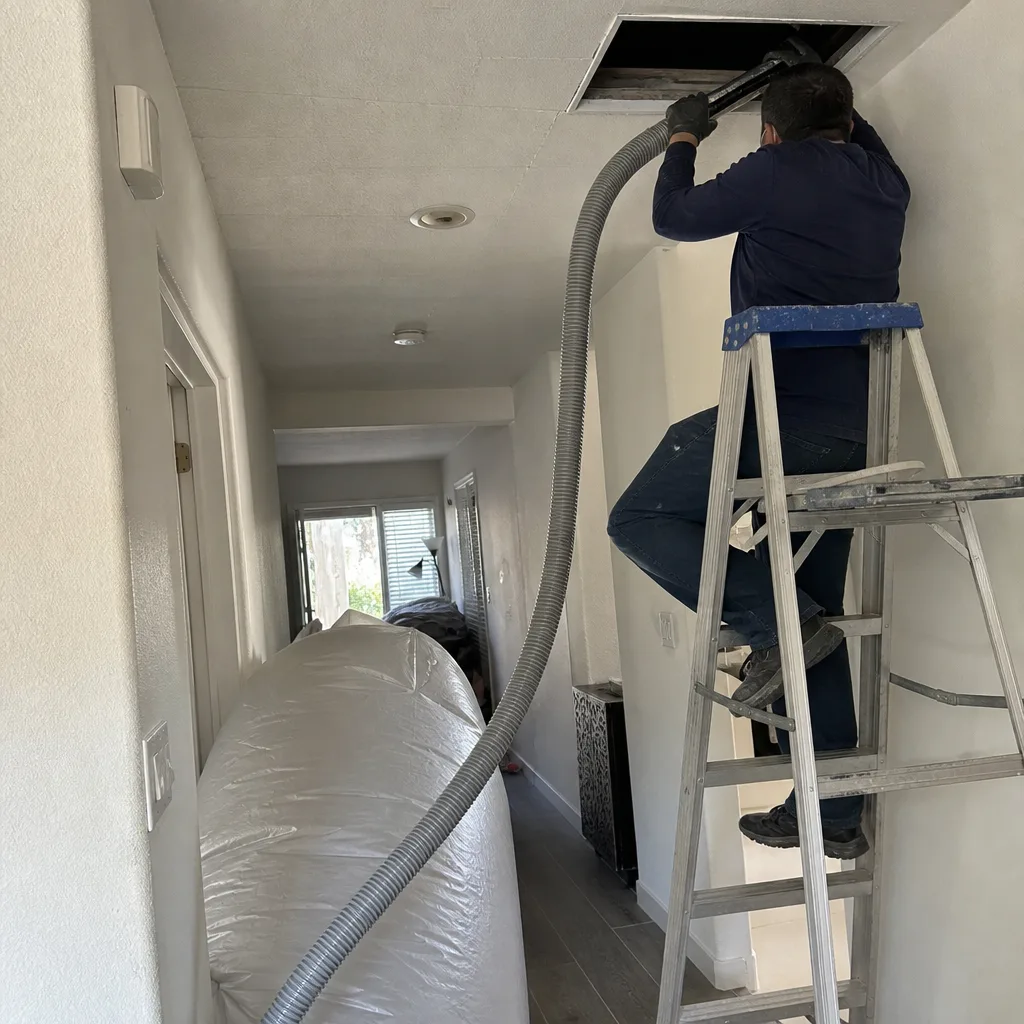
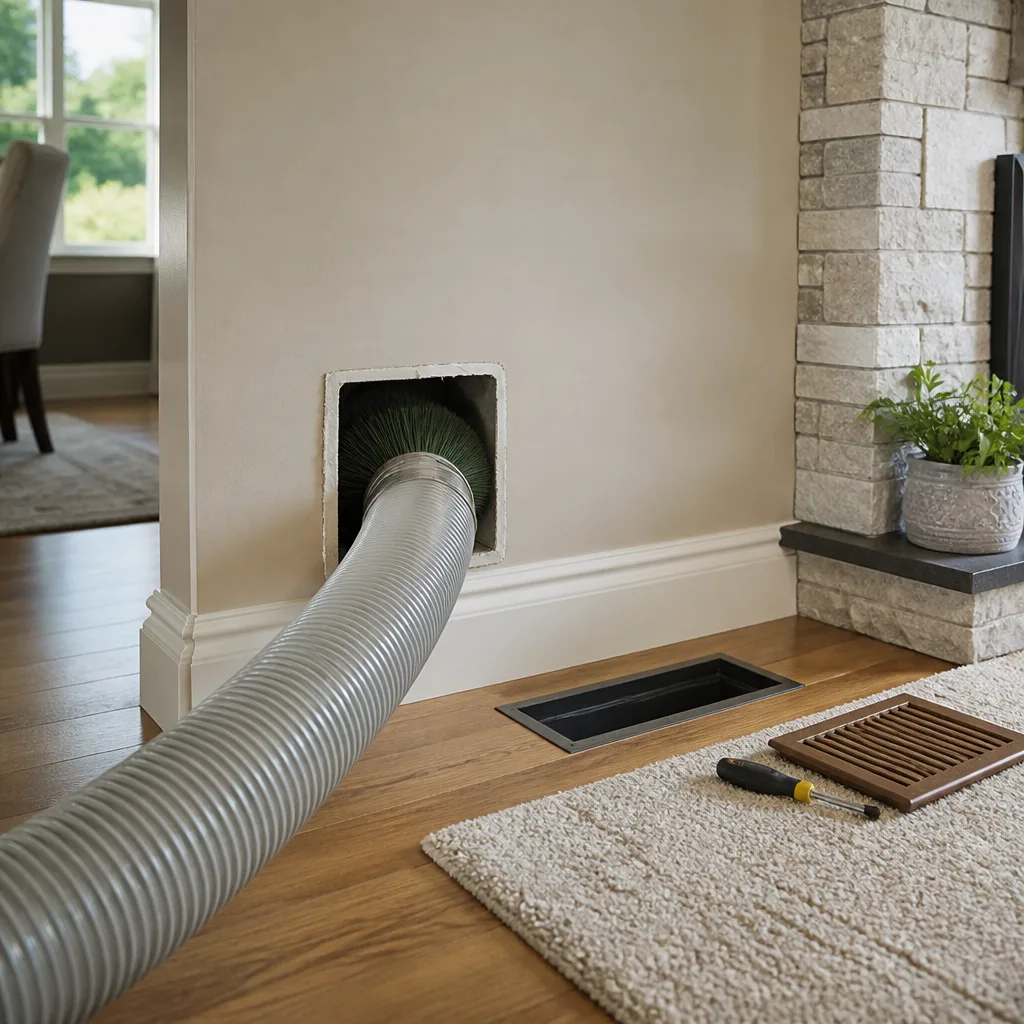 Whole-home duct cleaning
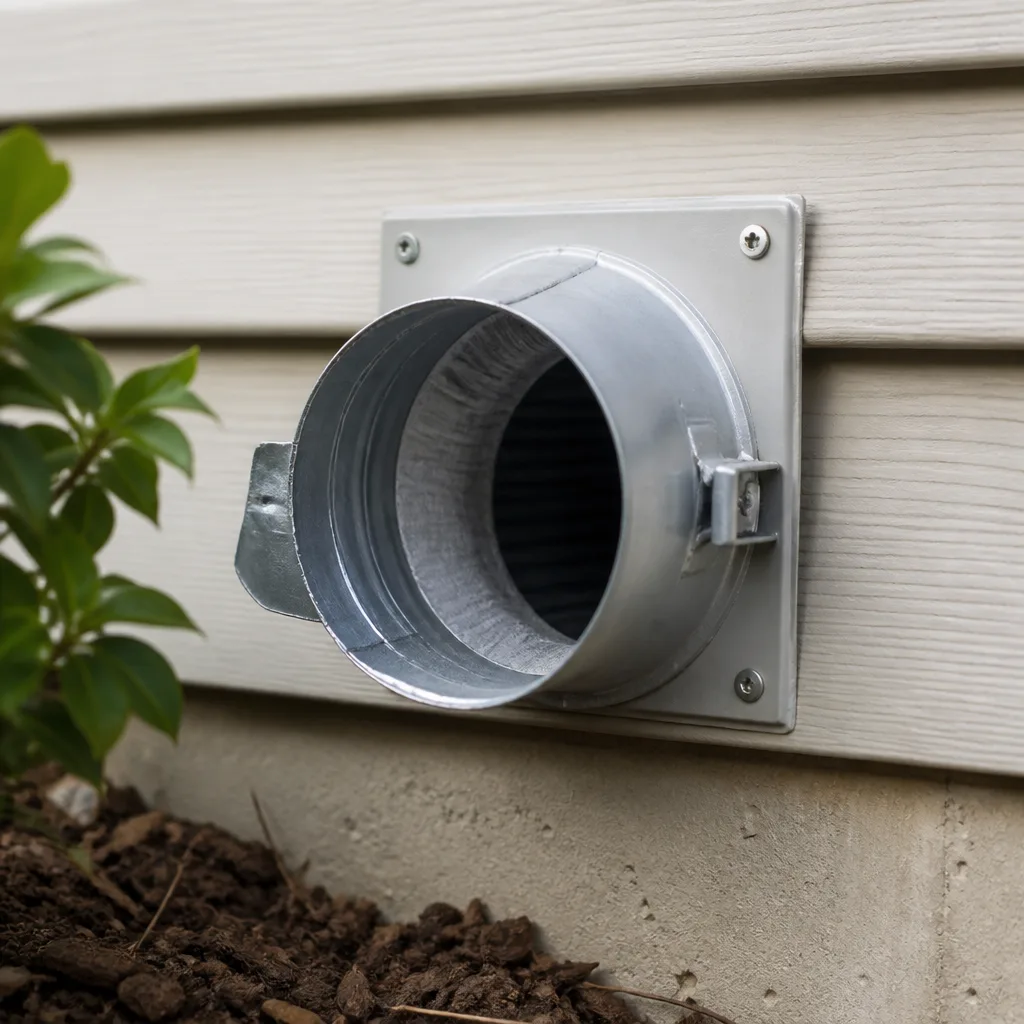 Dryer vent cleaning
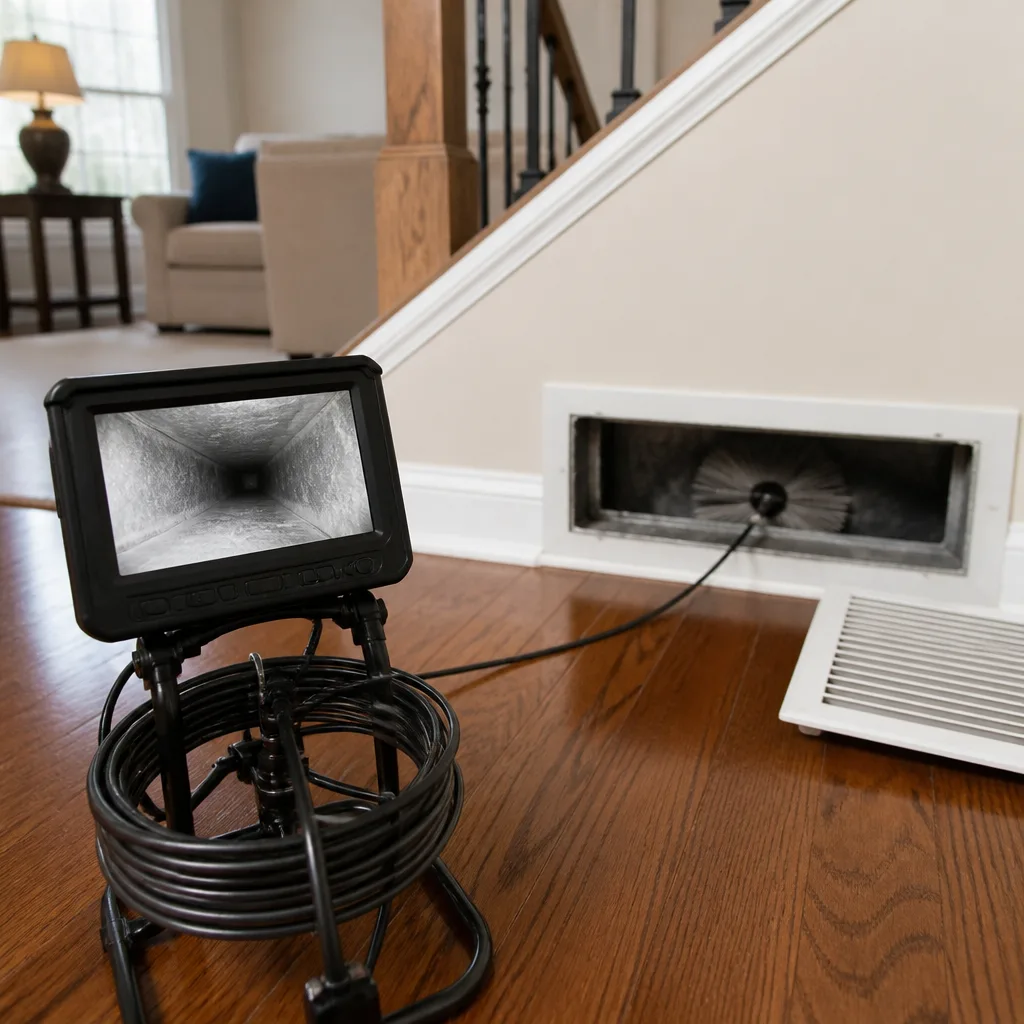 Camera inspection
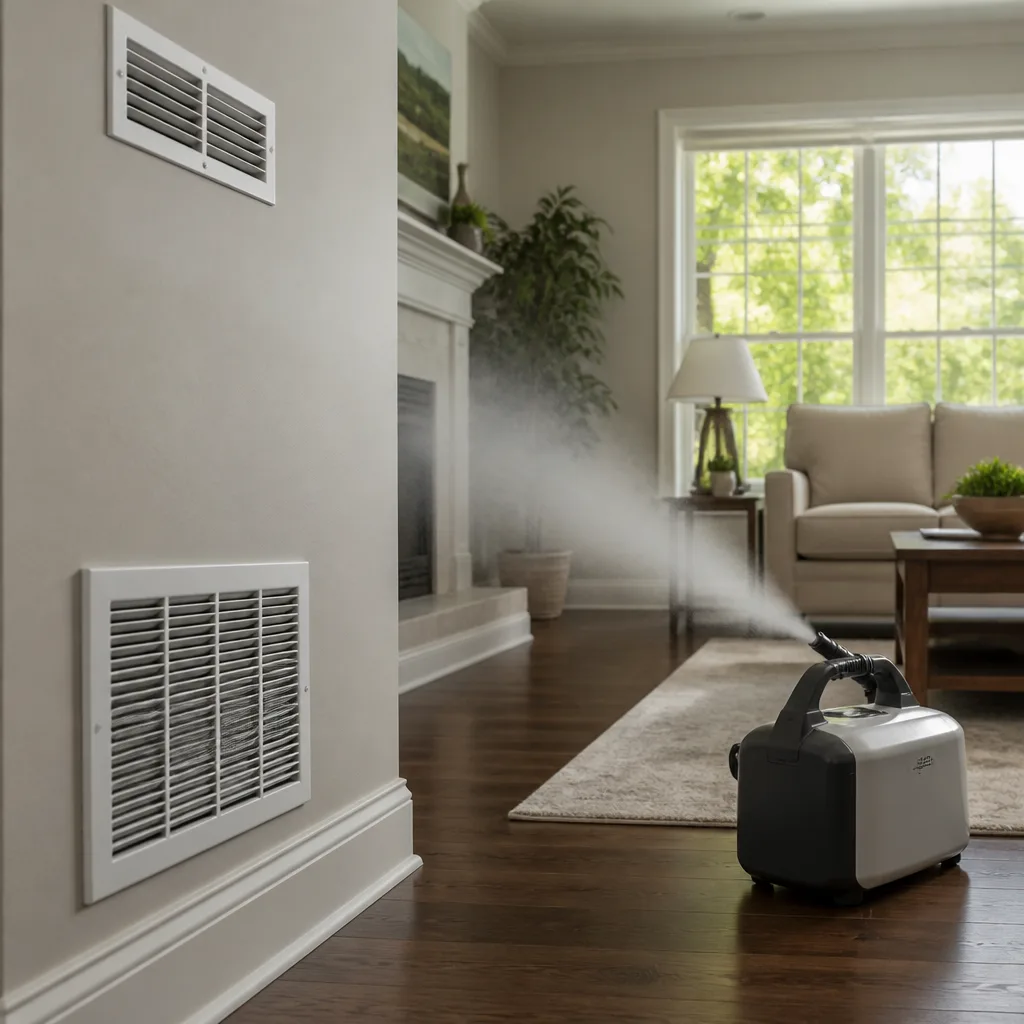 Sanitizing & deodorizing
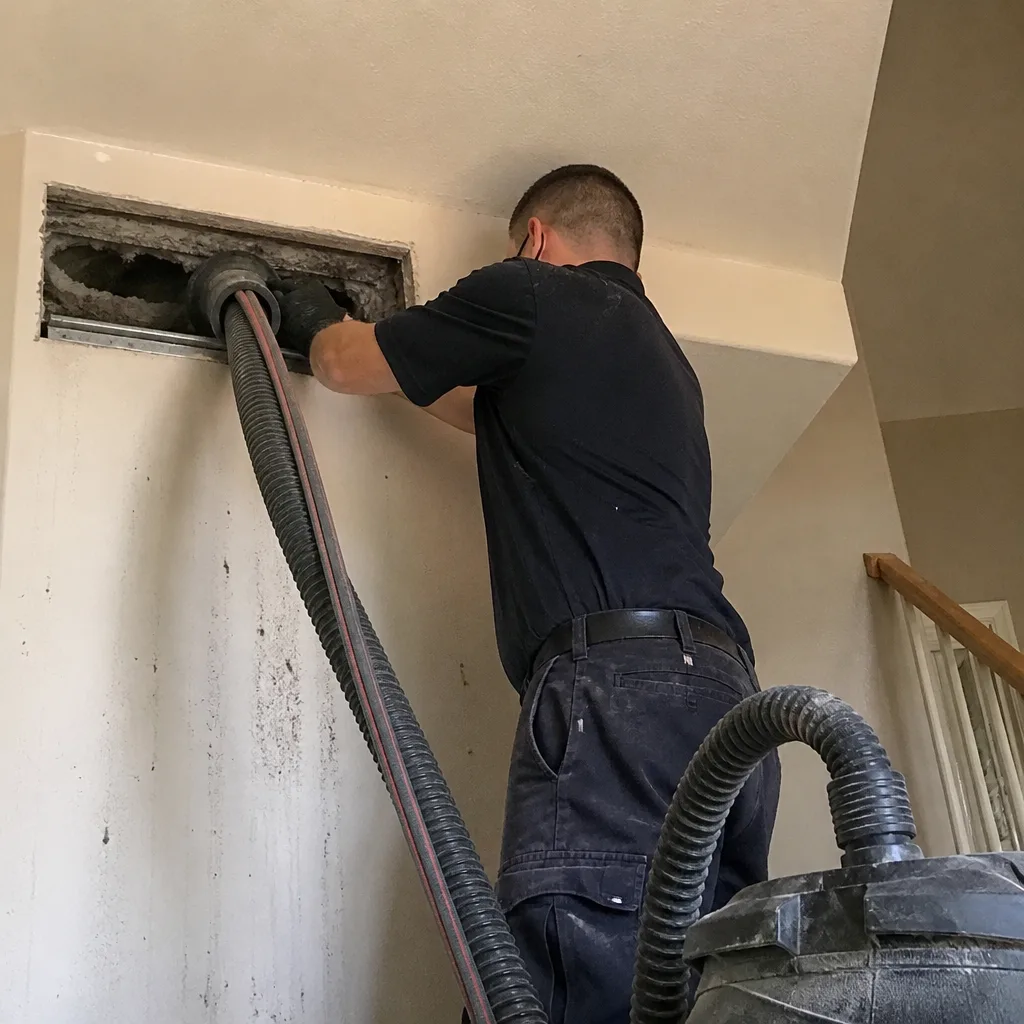
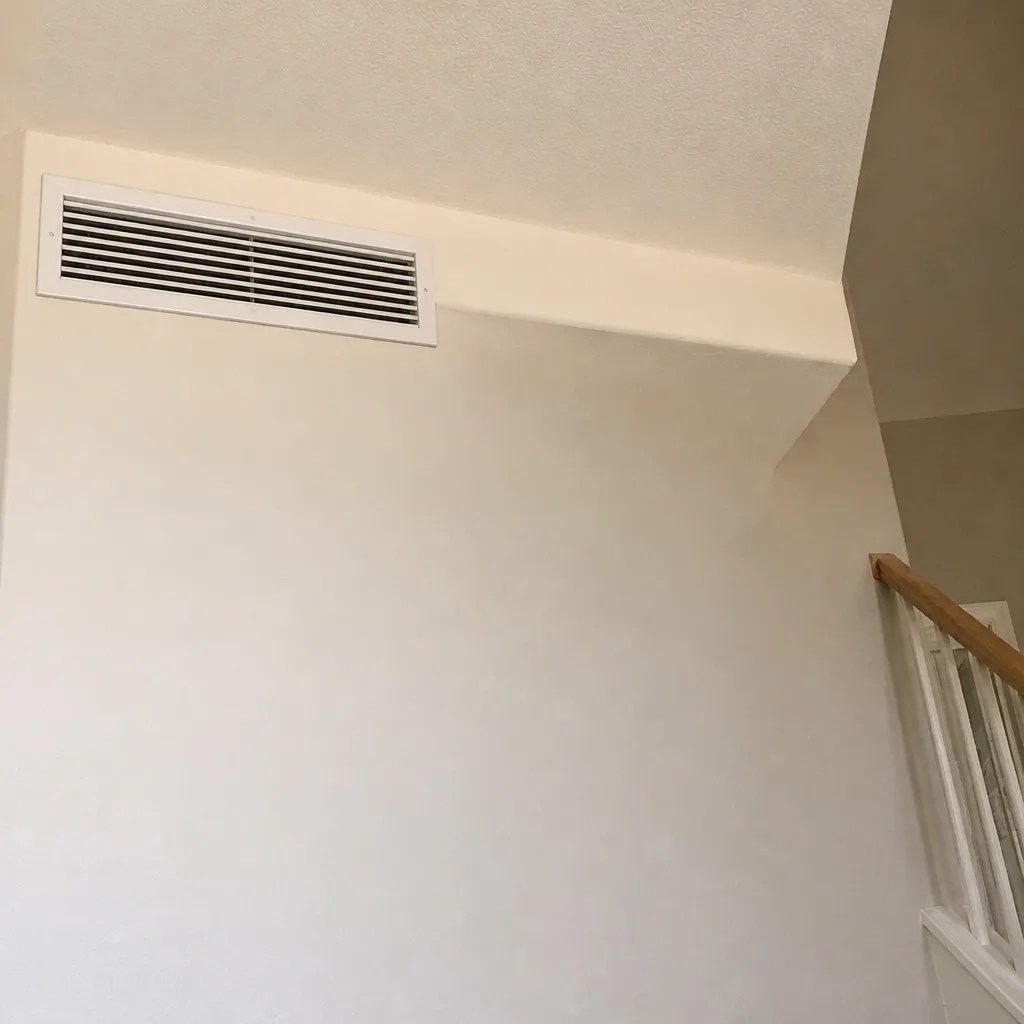
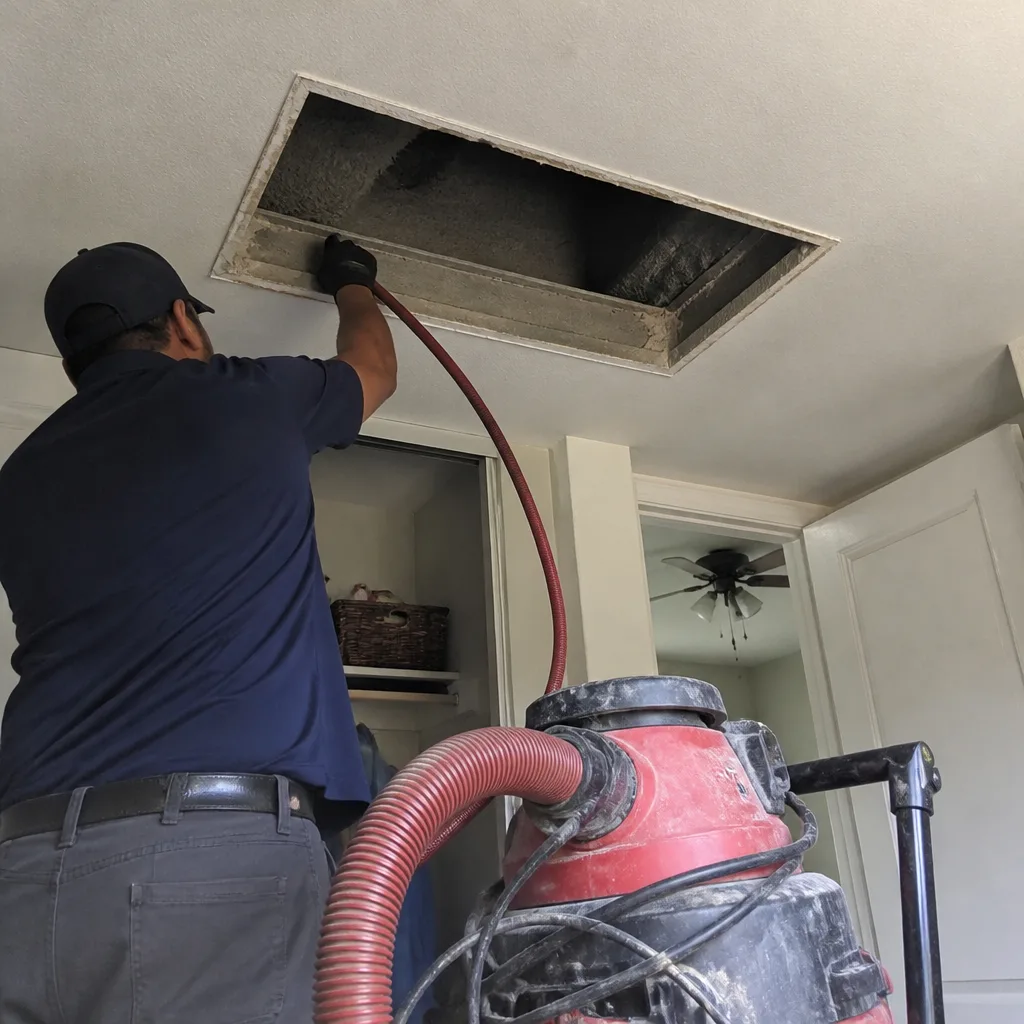
Whole-system duct and dryer vent check with before-and-after photos - you see exactly what came out of your vents
That "$99 whole-house special" is a bait ad - the real number appears once they are in your hallway, or the "clean" is a shop-vac at the register. We photograph the inside of your ducts before and after instead.
Seasonal Air Duct Cleaning Care for Downtown San Diego: Year-Round Homeowner’s Guide
Most seasonal home maintenance advice gets written for places with snow. Downtown San Diego doesn’t have that problem, but it has its own quieter version: a June Gloom moisture window that lingers in flex duct, a late-summer smoke corridor that settles fine ash into return air pathways, and Santa Ana wind events that push canyon dust and combustion particulate straight into buildings. Each one leaves a distinct signature inside a duct system. This guide explains what actually accumulates in Downtown San Diego ducts and when, plus how to time professional service so you’re not cleaning on an arbitrary calendar date but responding to the real pressure points of this climate.
Quick Answer
Downtown San Diego’s mild climate doesn’t eliminate seasonal duct stress, it just reorganizes it. The three real seasons to watch are June Gloom (moisture and biological growth risk), late-summer smoke season (fine particulate loading), and Santa Ana wind events (debris and dust influx). Most Downtown homeowners get the best value by scheduling professional air duct cleaning once in fall before heating season, with a visual inspection in early summer after the marine layer burns off. The work typically takes a few hours and is priced per system by written estimate.
Styles & brands we work with
- Whole-home duct cleaning
- Dryer vent cleaning
- Camera inspection
- Sanitizing & deodorizing
Table of Contents
- June Gloom: What Sustained Moisture Does Inside Ducts
- Late-Summer Smoke Season and Fine Particulate Loading
- Santa Ana Prep: What Happens Before and During High Wind Events
- Why Fall Is the Optimal Service Window in Downtown San Diego
- Using Inspections as a Decision Point, Not a Fixed Calendar
- What Actually Happens During a Professional Cleaning
- When Cleaning Isn’t Enough: Repair and Air Quality Products
- What Changes Your Cleaning Schedule: Pets, Renovations, Canyon Proximity
June Gloom: What Sustained Moisture Does Inside Ducts
The marine layer that sits over Downtown San Diego from late May into July does more than delay beach weather. It pushes sustained humidity into buildings for weeks at a time, and that humidity finds its way into duct interiors. The problem isn’t pools of water. It’s the persistent damp film that forms on interior surfaces, especially in flex duct and fiberglass-lined systems, where the material itself holds moisture longer than sheet metal. In our experience, June Gloom is the single most underestimated factor in Downtown San Diego duct conditions because homeowners don’t see standing water and assume the system is dry.
That damp surface becomes a collection point. Dust that would normally blow through or settle lightly instead adheres. Over repeated cycles, the interior lining develops a gray particulate film that reduces airflow and creates conditions where biological growth can start. This is why a system that seemed fine in April can show visible accumulation by late July. The moisture window is also when musty odors become most noticeable at the registers, because the damp interior is releasing volatile compounds that were previously dormant. Here’s what to check during and just after June Gloom:
- Register faces showing gray or tan film at the edges, especially in rooms that run cooler
- Musty odor when the system starts, noticeable for the first minute or two of operation
- Reduced airflow in bedrooms compared to earlier in spring, indicating interior surface loading
- Visible moisture staining or residue on flex duct in accessible attic or closet runs
- Condensation around supply vents even when the AC isn’t running hard
If you notice any of these signs, especially in a building that hasn’t had professional air duct cleaning in several years, a visual inspection makes sense before the summer heat pushes the system harder. The early summer window is also when property managers in Downtown San Diego should check common areas and shared risers, since multi-unit buildings often share return air pathways that spread whatever one unit introduces.
Does Every Building Need Cleaning After June Gloom?
No. Buildings with good airflow, newer systems, and occupants who change filters regularly may pass the season with minimal impact. The variable is interior surface condition. An older flex duct system that has been in place for a decade or more holds moisture differently than a newer rigid system with smooth interiors. The practical test is visual: if registers were clean in May and show film by August, moisture did real work. If they still look clean, the system handled the marine layer fine. Blackstone Air Duct Cleaning doesn’t put every Downtown San Diego building on an automatic annual schedule. We recommend using seasonal conditions as the trigger for when a professional assessment is worth your time.
Late-Summer Smoke Season and Fine Particulate Loading
Downtown San Diego sits downwind of the region’s late-summer and early-fall wildfire corridor. When inland fires burn, the smoke plume travels toward the coast, and particulate matter from combustion settles across the city. What reaches duct interiors is not the dramatic smoke you see outside. It’s the fine ash and sub-micron particulate that passes through standard filters and deposits on interior surfaces. These particles are small enough to stay suspended in the airstream until they hit a surface, which means every turn in the ductwork, every interior joint, and every register face becomes a collection point.
The accumulation is deceptively slow. A single smoke event leaves a light film. Two or three over a summer add up. By late September, a system that was cleaned in spring can show a pronounced gray coating, especially in return air pathways where unfiltered air moves from living spaces into the system. For Downtown San Diego residents with allergies or asthma, this is the period when indoor air quality complaints spike even though the outdoor air has cleared. What’s happening is that the system is re-releasing accumulated particulate every time it cycles. The risk is highest in:
- Units near canyon corridors, where smoke settles and lingers longer than on open street grids
- Buildings with rooftop return air intakes, which pull directly from the smoke plume
- Systems with fiberglass filter media, which let finer particles through than pleated options
- Buildings where windows stay open during summer evenings, introducing exterior particulate directly
The right response depends on what the system has accumulated. A visual inspection of the return side tells the story. If the interior shows fine gray film and the register faces wipe dirty after smoke events, professional cleaning removes what filters can’t catch. This is where equipment matters. Consumer vacuums don’t reach the full interior run, and they lack the agitation to break loose the fine particulate that adheres after smoke. Systems like Rotobrush and Nikro are built for exactly this: rotary brush agitation combined with negative-pressure extraction that pulls loose particulate out of the system rather than pushing it around. The same equipment restoration professionals use for post-fire work applies directly to the smoke season loading Downtown San Diego gets every late summer.
If your building is in the path of smoke settling near the canyons, late-summer cleaning can be worth it even if you cleaned in spring. The goal is to remove smoke particulate before the system switches to heating mode, when warmer air through dirty interiors bakes the residue and releases compounds into living spaces.
Santa Ana Prep: What Happens Before and During High Wind Events
Santa Ana wind events in Downtown San Diego bring dry, fast-moving air from the inland deserts. For duct systems, the issue is what that wind carries and where it pushes it. These winds drive dust, fine debris, and whatever has settled on rooftops and streets into every opening, including return air pathways that are already pulling air toward the system. Buildings with rooftop returns or accessible exterior grilles are especially exposed. The wind also stirs particulate that has settled inside the system, sending it back into living spaces whether the HVAC is running or not.
Preparation before a forecast Santa Ana event is straightforward and doesn’t require a technician for the basics. What a homeowner can do:
- Check and replace return air filters before the wind event, so the system starts with maximum filtration capacity
- Clear any visible debris from exterior return grilles or intake areas, especially on rooftop-adjacent systems
- Close windows and exterior doors during high-wind hours, even when the temperature is comfortable
- Run the fan in circulation mode during peak wind to keep positive pressure in living spaces and reduce passive infiltration
- After the wind subsides, check register faces for dust accumulation in rooms with exterior exposure
After a major Santa Ana event, the practical question is whether the system took in more than a filter change can handle. If register faces show dust within days of replacing filters, or if rooms near the return side smell dusty when the system runs, the wind drove particulate deep enough that cleaning makes sense. The accumulation from Santa Ana winds is abrasive fine dust, and it tends to coat everything uniformly rather than settling in pockets. A professional cleaning with proper agitation removes it. This is one of the seasonal pressure points where the timing is dictated by weather rather than a calendar, and it’s worth checking registers after every significant wind event rather than assuming the system will clear itself. It won’t.
Why Fall Is the Optimal Service Window in Downtown San Diego
In most of the country, fall cleaning is about preparing for winter. Downtown San Diego doesn’t have that imperative, but fall is still the right service window for most buildings, and the reasons are specific to how this city’s seasons work. By October, the system has spent a full summer running. It has moved through June Gloom’s moisture, late summer’s smoke participle, and whatever Santa Ana winds introduced. Every seasonal stressor this climate produces has left its mark by early fall. Cleaning in October or November removes all of it at once before the system shifts into heating mode, which is when warm air through contaminated interiors becomes most noticeable indoors.
The second reason is that fall cleaning creates the longest clean window of the year. From November through the following spring, the system faces nothing close to the loading that summer brings. The marine layer hasn’t returned, wildfire smoke is off the table for the season, and Santa Ana winds are at their lowest frequency. A fall cleaning means the system stays genuinely clean through the holidays and into spring. For Downtown San Diego buildings, that means the season when people spend the most time indoors with windows closed is also the season when the ducts are at their cleanest.
The third reason is practical. HVAC systems run less hard in fall, which means the cleaning is more effective. When the system is cycled during cleaning, it’s easier to maintain negative pressure and extract what the brushes break loose. Summer’s constant AC load makes this harder. Fall’s shoulder-season conditions are simply better for the work itself. This timing applies whether the building is a single-family home in a canyon-side pocket or a multi-unit property near the core. The climate works the same everywhere in Downtown San Diego.
One note: fall is not the only correct window. Some buildings benefit from an additional cleaning after a particularly heavy smoke summer. The point is that fall is the baseline, not the rigid rule. Use it as the starting point and adjust for what the year actually delivered.
Using Inspections as a Decision Point, Not a Fixed Calendar
The biggest mistake this industry taught homeowners is that duct cleaning should happen on a rigid annual schedule. It shouldn’t. What should happen is a seasonal inspection, either by you or by a professional, that tells you whether cleaning is warranted. A fixed annual cleaning in Downtown San Diego can mean cleaning a system that doesn’t need it, or waiting too long for one that does. The inspection is the decision point.
Here’s the practical framework for Downtown San Diego buildings:
- Early June: After the marine layer starts, check register faces for film and note any musty odor at startup. This tells you what June Gloom is doing.
- Late August: After any wildfire smoke events, wipe a return register with a white cloth. If the cloth comes back gray, smoke particulate is loading the system.
- After any Santa Ana event: Check exterior return grilles and note whether rooms smell dusty when the system runs.
- Early November: The decision point. If any of the seasonal checks showed accumulation, schedule cleaning. If not, the system likely passed the year well and can go another cycle.
This approach respects what Downtown San Diego’s climate actually does. It also means you’re not paying for work that isn’t needed. In our experience, most buildings in this city need professional cleaning every 1 to 3 years, not every 9 months. The spread depends on the variables in your specific building: age of the system, type of duct material, proximity to canyon corridors, pets, renovation history, and whether anyone in the household has respiratory sensitivities. The inspection framework lets those variables express themselves honestly rather than overriding them with a schedule.
What Actually Happens During a Professional Cleaning
Understanding what professional air duct cleaning involves helps explain why it’s a different category of service from running a vacuum hose into a register. The process that Blackstone Air Duct Cleaning runs follows the same sequence restoration professionals use, and the equipment is the same class used in commercial and post-fire work.
The core steps:
- System inspection: Before any equipment enters the ductwork, we look at the return side, supply side, and register faces to identify what’s accumulated and where. This tells us whether we’re dealing with dust, smoke particulate, construction debris, or biological growth.
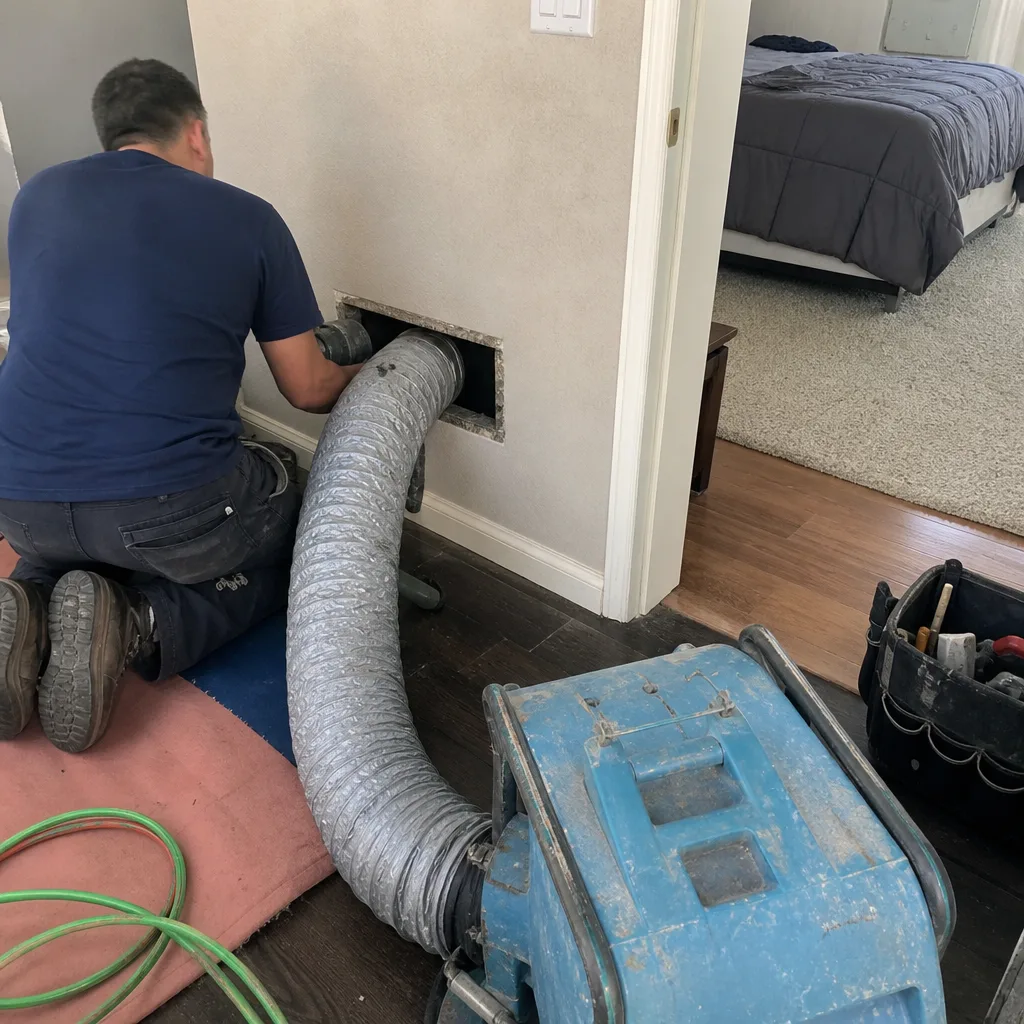
- Negative pressure setup: The system is connected to a high-powered vacuum unit that pulls air through the ducts while the work happens. This is the critical difference between professional cleaning and consumer-grade attempts. Without negative pressure, loosened particulate simply redistributes inside the system.
- Rotary brush agitation: Rotobrush equipment runs through the interior, mechanically breaking loose the films that moisture and smoke create. The agitation is what separates genuine cleaning from surface-level dust removal.
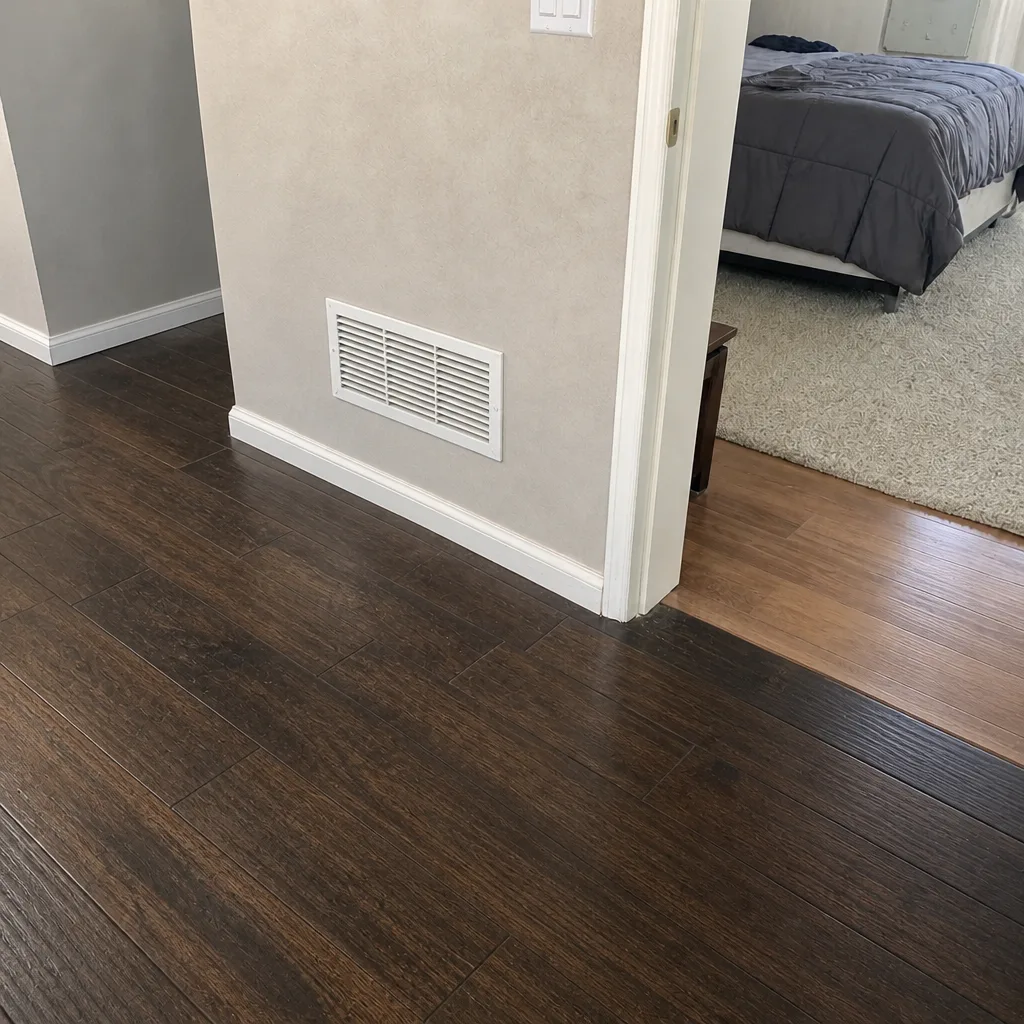
- Register and grille cleaning: Every register face gets cleaned and wiped down. These are the visible endpoints of the entire system, and they should look clean when we’re done.
- Post-cleaning verification: We check interior surfaces to confirm the accumulation is gone, and the homeowner sees the before-and-after documentation for their own system.
- Pets in the household: expect more frequent filter changes and shorter intervals between professional cleanings
- Post-renovation: one thorough cleaning after the work is done, not just a filter change
- Canyon-adjacent units: check registers after every Santa Ana event and smoke season, not just annually
- Rooftop returns: inspect the return side more frequently, since these systems are the most exposed
- Older flex duct systems: the interior surface condition deteriorates over time, making moisture and particulate capture more likely
The whole process for a typical Downtown San Diego condominium or single-family home takes a few hours. Larger multi-unit buildings take longer and are priced per system by written estimate. What matters for the homeowner is that the result is verifiable, not just a claim. Before-and-after photos of the actual duct interiors are part of how we document that the work was actually done, and that the system is measurably cleaner than when we arrived.
When Cleaning Isn’t Enough: Repair and Air Quality Products
Cleaning removes what has accumulated. It doesn’t fix what has failed. In Downtown San Diego buildings, especially older stock near the core, we see duct systems where cleaning alone won’t solve the underlying problem. Interior lining that’s degraded, flex duct that’s come apart at the joints, return pathways that are actively pulling air from wall cavities: these are repair issues, not cleaning issues. This is why Blackstone Air Duct Cleaning handles air duct cleaning and structural air duct repair under the same roof. If the inspection phase reveals a tear, a collapsed section, or a poor connection, we can address it directly rather than telling you to find another contractor.
There’s also a layer beyond cleaning that some Downtown San Diego homeowners choose to add. Air quality products from Honeywell and Aprilaire integrate into the HVAC system to address what cleaning can’t: ongoing filtration and humidity management. A Honeywell media filter or Aprilaire whole-home air purifier doesn’t replace cleaning, but it changes the rate at which the system re-accumulates particulate. For households with allergies, pets, or occupants who spend long hours indoors, this is a meaningful extension of what cleaning accomplishes. We install and integrate these systems directly, so the entire scope of work, from duct cleaning to repair to air quality integration, is handled by one specialist rather than coordinated across multiple vendors.
The point is not that every cleaning job needs these additions. Most don’t. The point is that the full range of what can be wrong with a duct system, or what can improve the air quality in a building besides cleaning, should be on the table from a company that can actually execute it. That’s the difference between a specialist and a company that offers duct cleaning as one line item among many.
What Changes Your Cleaning Schedule: Pets, Renovations, Canyon Proximity
Every Downtown San Diego building has a different duct-loading profile. Some of the variables are obvious. Pets add hair and dander to the return air stream, which loads filters faster and deposits organic material on interior surfaces. Renovations, especially drywall work, introduce construction dust that is finer and more invasive than normal household dust, and it takes a professional system to remove it fully. Recent renovations without a post-renovation duct cleaning consistently leave drywall dust circulating for months.
Other variables are specific to this city’s geography. Units near canyon corridors, particularly around the edges of Downtown San Diego where the built grid meets open terrain, see more wind-driven dust and more smoke settling than units in the dense core. Buildings with rooftop returns see more of everything, because they pull directly from whatever the air carries. Older buildings with original ductwork often have interior surfaces that hold particulate more readily than newer systems. Each of these variables shifts the cleaning frequency meaningfully:
The practical takeaway is that no two Downtown San Diego buildings need the same schedule. The right approach is to know which variables apply to your building, check the system at the seasonal pressure points, and schedule professional service when the system tells you it’s time. The seasonal framework in this guide gives you the tool to make that call without guesswork or pressure from a sales pitch.
Common Mistakes to Avoid
- Cleaning on a fixed annual calendar regardless of conditions: Downtown San Diego’s seasons are uneven. A system that passes a light year doesn’t need cleaning just because 12 months have elapsed, and a system hit by heavy smoke may need it at 9 months. Use inspections as the trigger.
- Assuming June Gloom can’t affect ducts because there’s no visible water: The marine layer is exactly the kind of sustained, low-grade moisture that builds up as film inside flex duct and fiberglass-lined systems. You won’t see a puddle, but the damp surfaces still capture particulate and support biological growth.
- Ignoring the return side entirely: Homeowners tend to look only at supply registers, but the return side is where unfiltered air enters the system. If return pathways are dirty, the whole system is receiving dirty air, and that’s where smoke and Santa Ana dust load first.
- Using consumer-grade vacuums as a substitute for professional cleaning: A shop vac with a hose attachment reaches the first few feet of a register. It can’t agitate the interior surfaces or create negative pressure across the full system. The result is a visual improvement at best, and often just particulate redistribution.
- Waiting until the system smells bad before scheduling an inspection: By the time odor is noticeable at the registers, the system has been circulating whatever produced it for weeks. Seasonal checking, not odor response, is the way to catch accumulation before it becomes an indoor air quality problem.
- Skipping cleaning after renovation work: Drywall dust is fine enough to pass through filters and invasive enough to coat every interior surface. A renovation without post-work duct cleaning means the occupants are breathing construction dust for months.
- Treating all Downtown San Diego buildings as the same: A canyon-adjacent older building with a rooftop return has a completely different loading profile than a newer mid-rise unit in the dense core. Variables matter more than average advice.
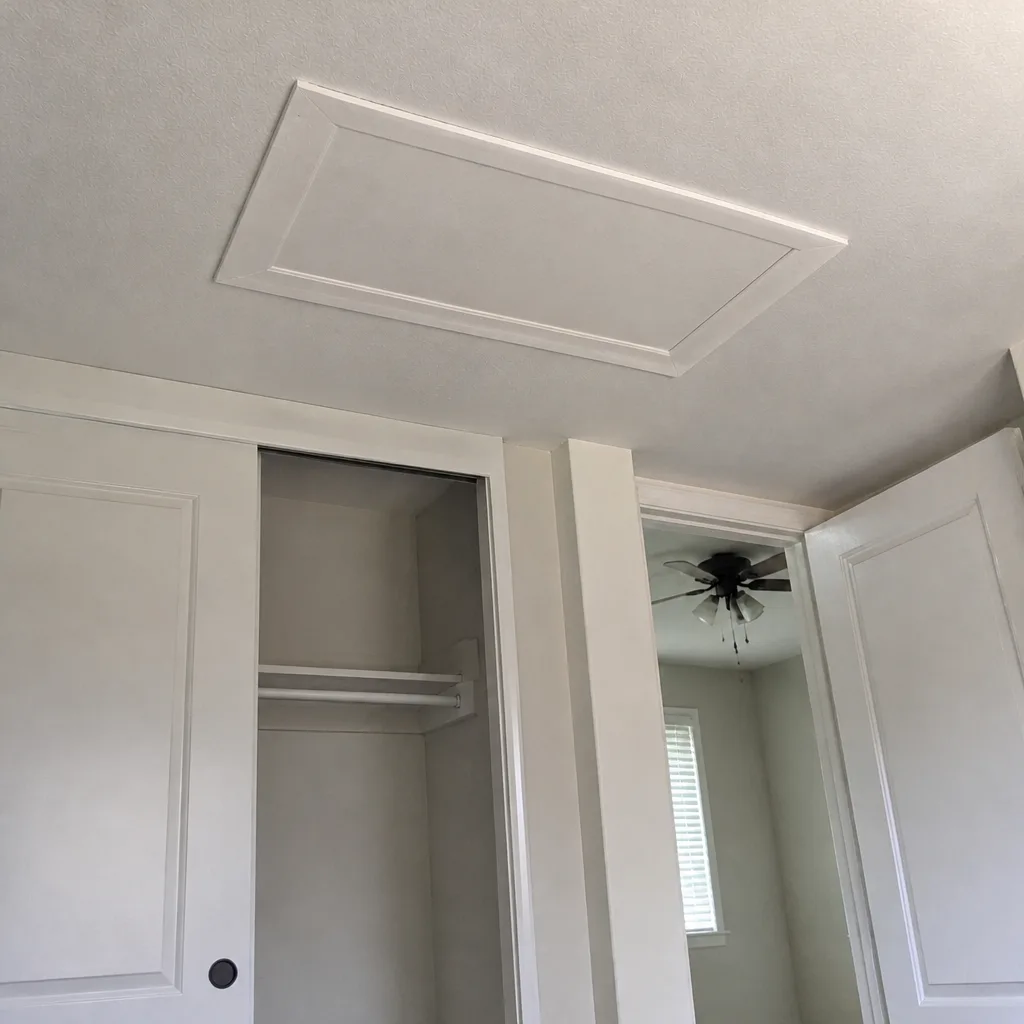
See the difference
 Before
 After
 Before
 After
 Before
 After
When to Call a Professional
Call a professional when the seasonal checks show accumulation that filters aren’t catching, when a renovation has introduced dust into the system, when smoke season has left visible film on registers, or when anyone in the household is experiencing respiratory symptoms that improve outside the building. Also call if you can see damage: disconnected flex duct, visible tears, or register faces that don’t seat properly. These are repair issues that only get worse. Blackstone Air Duct Cleaning offers free estimates in Downtown San Diego, call (866) 282-6412 for an inspection-based assessment of what your system actually needs. We answer 24/7. Fast dispatch from 7am to 7pm, Sunday through Friday.
Frequently Asked Questions
Most Downtown San Diego buildings need professional air duct cleaning every 1 to 3 years, but the right answer depends on specific variables: pets, renovation history, canyon proximity, and system age. Use seasonal inspections as the decision point rather than a fixed calendar. If registers stay clean through a full cycle of June Gloom, smoke season, and Santa Ana winds, the system can go longer. If they show accumulation, schedule service.
Yes, June Gloom’s sustained humidity creates damp conditions inside duct systems, especially flex duct and fiberglass-lined interiors that hold moisture longer than sheet metal. The damp film captures dust and supports biological growth that would not occur in dry conditions. This is why systems that look clean in spring can show significant film by late July, even without any visible water intrusion.
Wildfire smoke won’t structurally damage ducts, but the fine particulate it carries coats interior surfaces and re-releases into living spaces every time the system cycles. This is a health and comfort issue, not a structural one. Professional cleaning after a heavy smoke season removes the accumulation that standard filters can’t. Downtown San Diego units near canyon corridors are the most exposed.
Clean before the first major Santa Ana event if your building has documented dust intrusion during prior wind events. Clean after the season if the event deposited significant debris. For most Downtown San Diego buildings, a fall cleaning after the summer’s accumulated load but before heating season is the most practical timing that addresses both.
Professional duct cleaning uses rotary brush agitation and negative-pressure extraction to break loose and remove particulate from the full system, including the return side. Consumer vacuums only reach the first few feet from each register and can’t create the pressure differential needed to pull loosened material out. The result is that DIY attempts often leave most of the accumulation in place, or worse, redistribute it.
It often removes the smell, because the odor is usually coming from accumulated particulate and biological material on interior surfaces. However, if the smell is coming from damaged ductwork, a persistent moisture source, or a problem elsewhere in the HVAC system, cleaning alone may not eliminate it. That’s why a professional inspection before cleaning matters. Blackstone Air Duct Cleaning offers free estimates in Downtown San Diego, call (866) 282-6412.
The Bottom Line
Downtown San Diego’s seasons don’t announce themselves with freezing temperatures, but they leave their marks on duct systems anyway. The tools to manage this are simple: check registers at the three seasonal pressure points, know which variables apply to your building, and schedule professional cleaning when the system shows evidence of accumulation rather than when a calendar says so. Fall is the optimal baseline window for most buildings, but a heavy smoke year or a major Santa Ana event can shift that. One specialist should handle the full scope, from cleaning to repair to air quality integration, and the result should be verifiable, not just claimed. The cost of staying ahead of these seasonal stressors is modest compared to breathing what a loaded system circulates. For a professional assessment of your Downtown San Diego duct system, include dryer vent cleaning in the scope if it hasn’t been done recently, as fire prevention is part of the same indoor air quality discipline.
Written by the team at Blackstone Air Duct Cleaning, serving Downtown San Diego since 2018.