
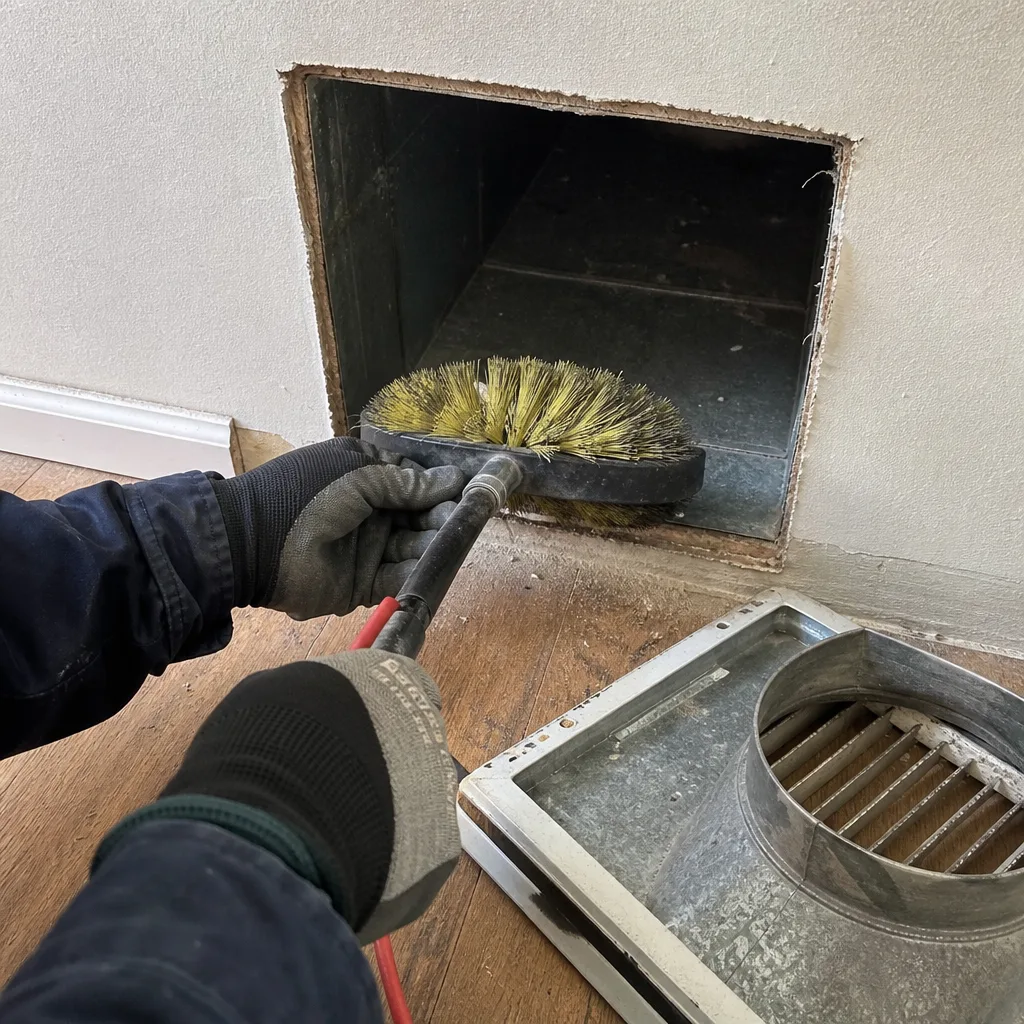
Last updated November 4, 2026
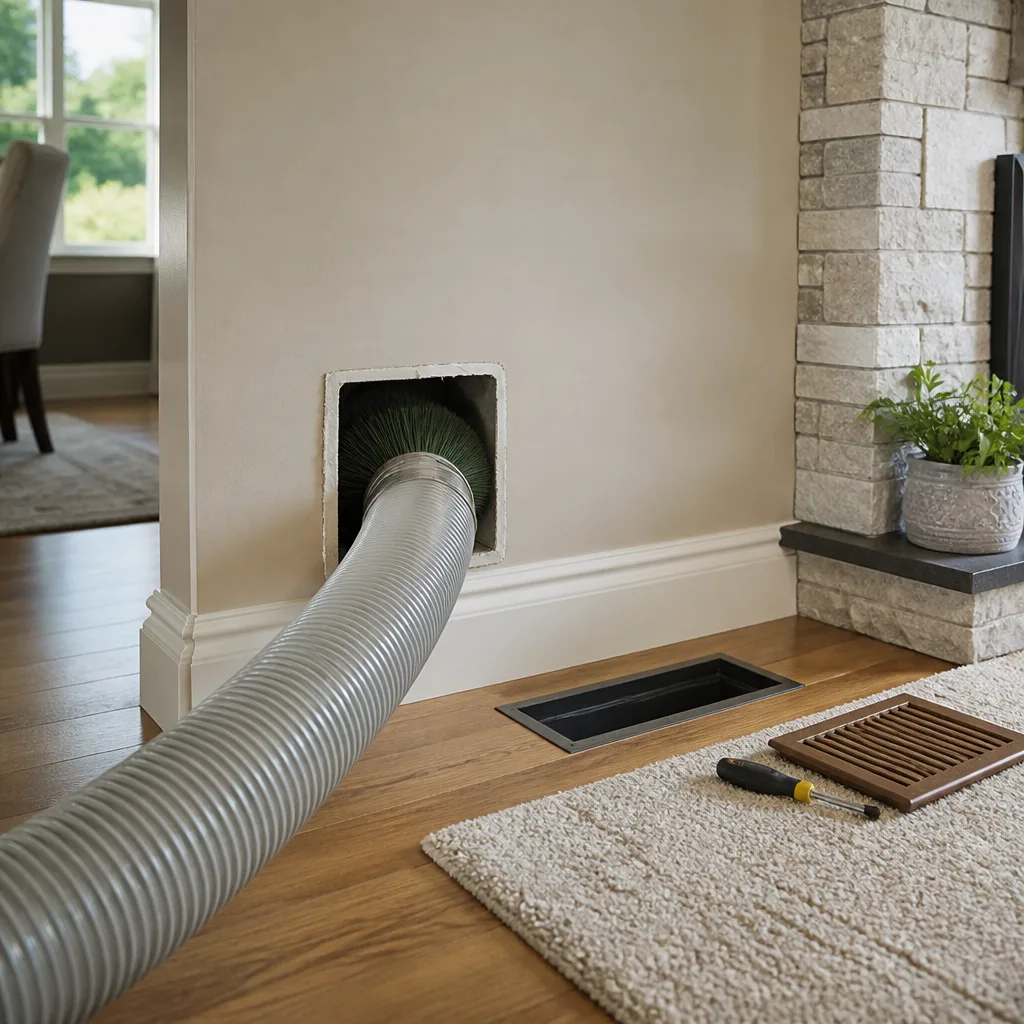 Whole-home duct cleaning
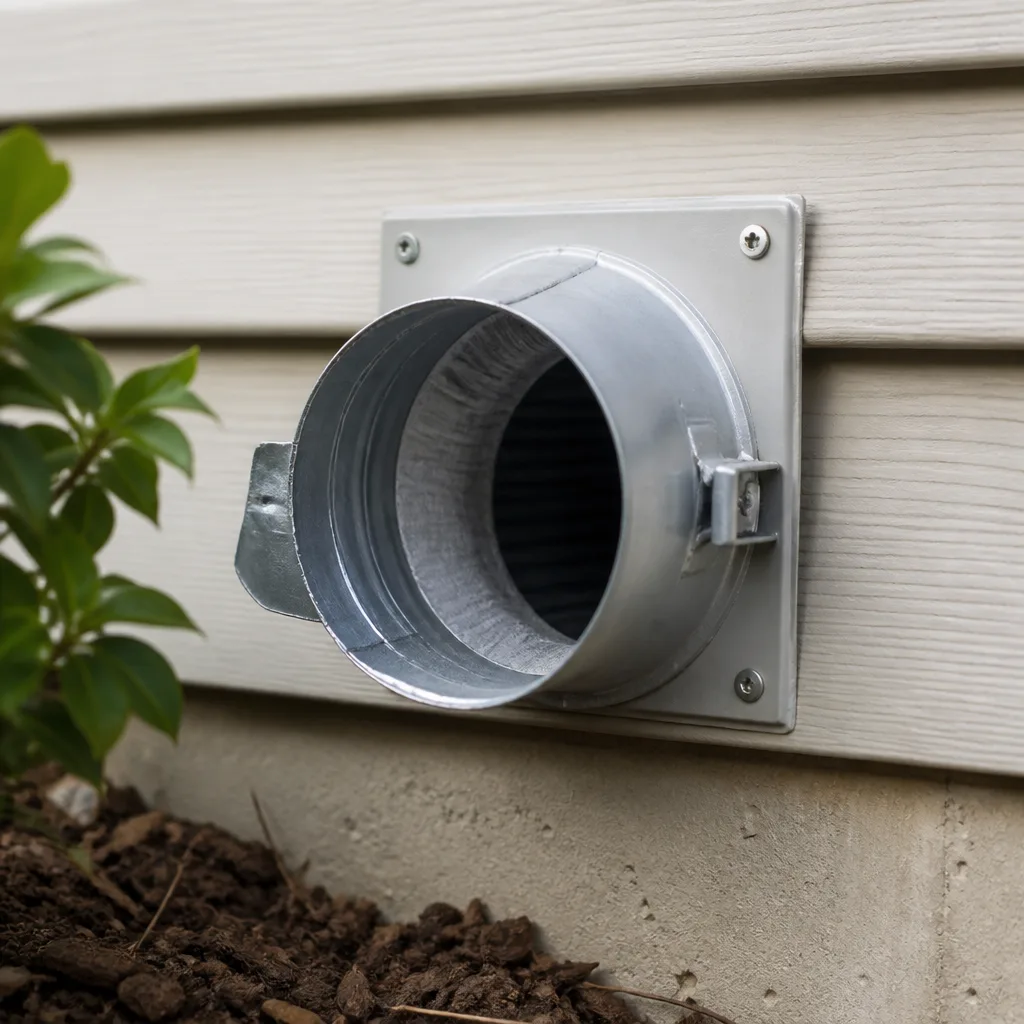 Dryer vent cleaning
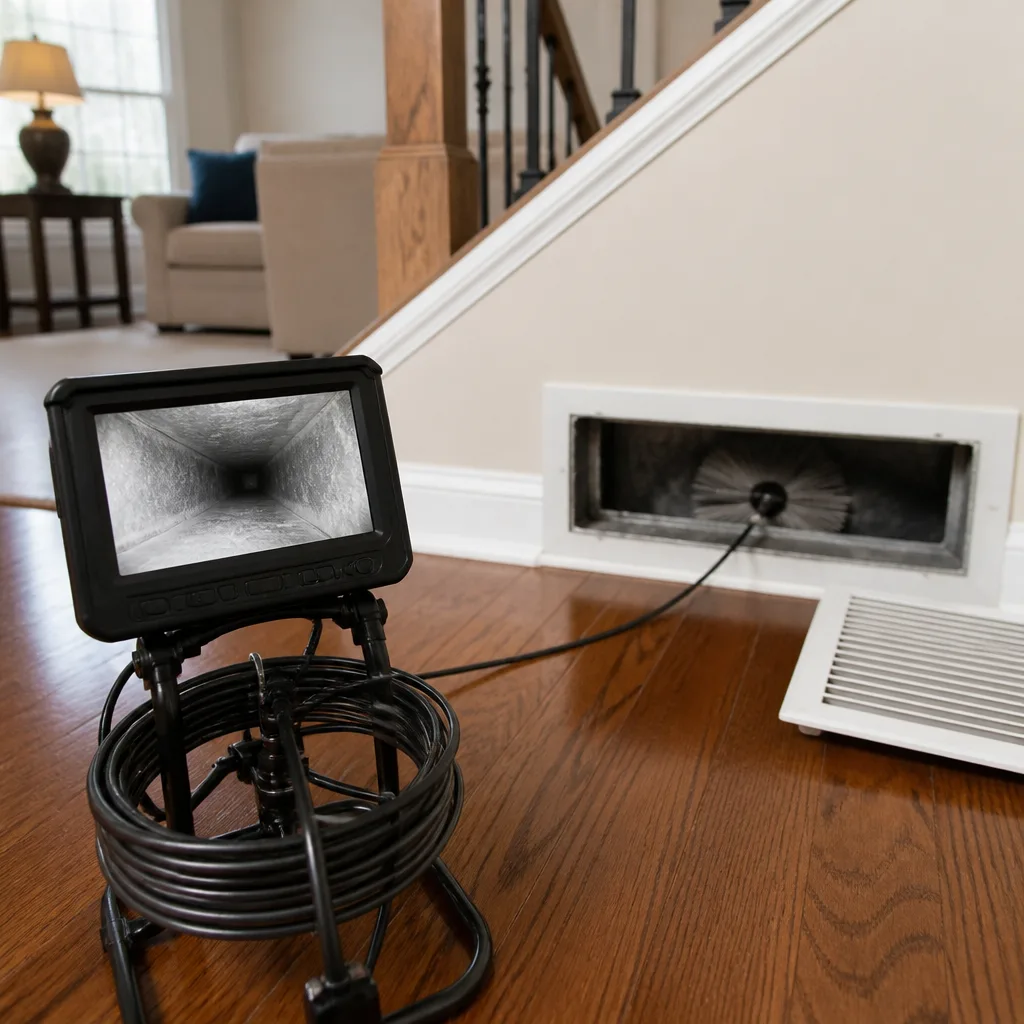 Camera inspection
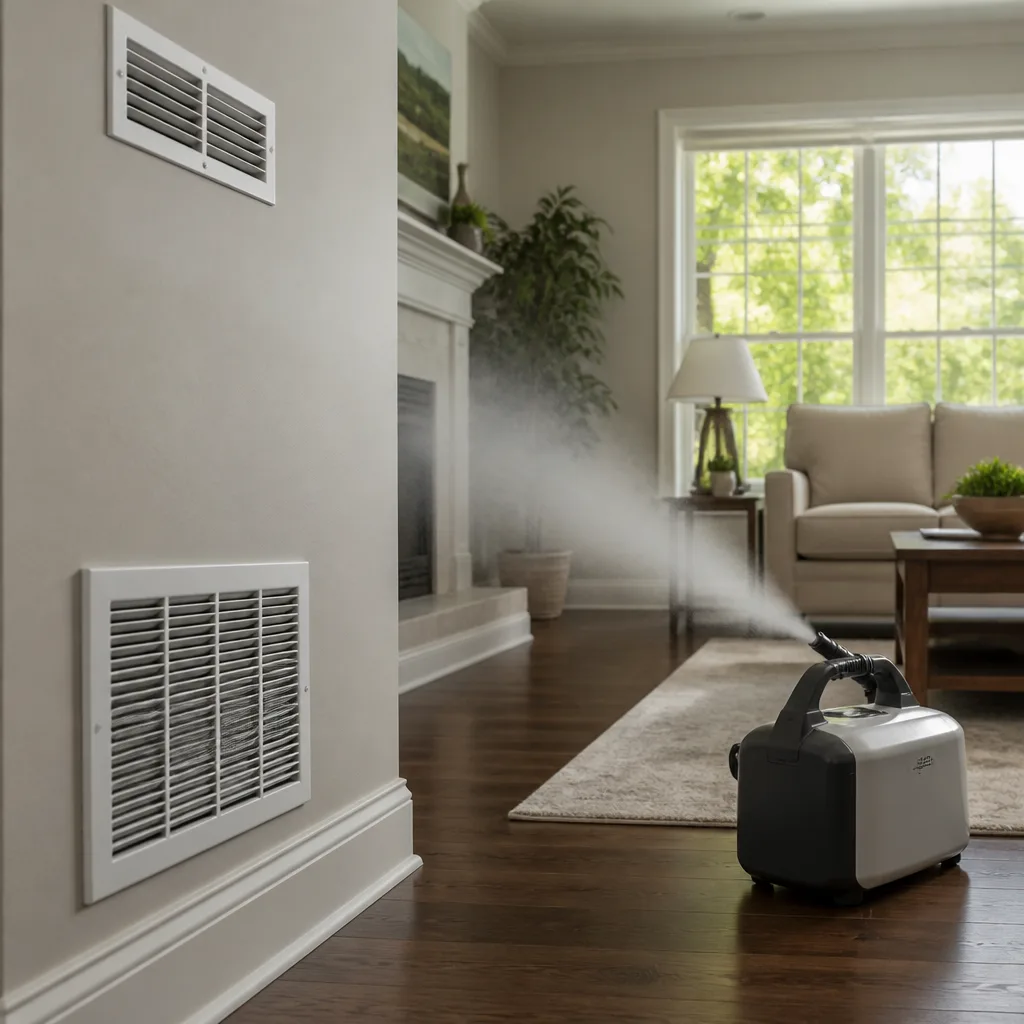 Sanitizing & deodorizing
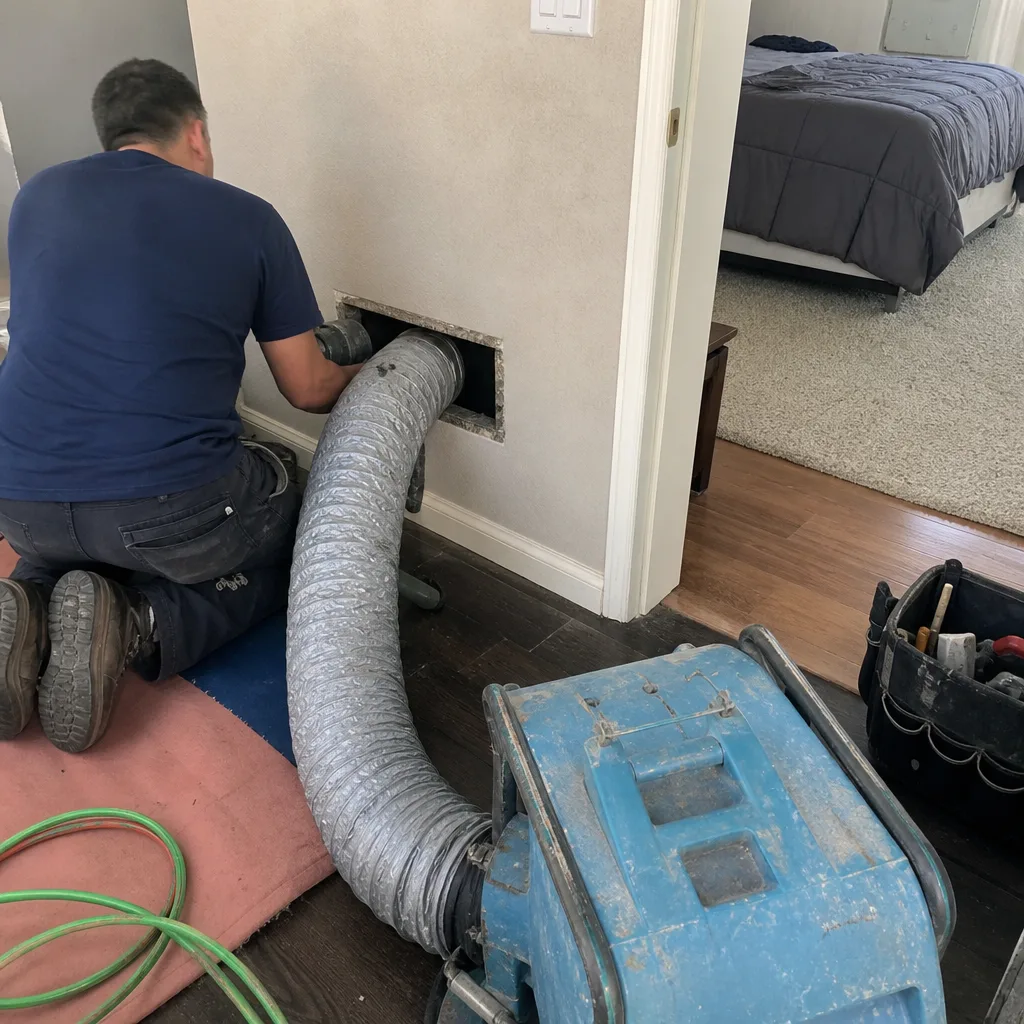
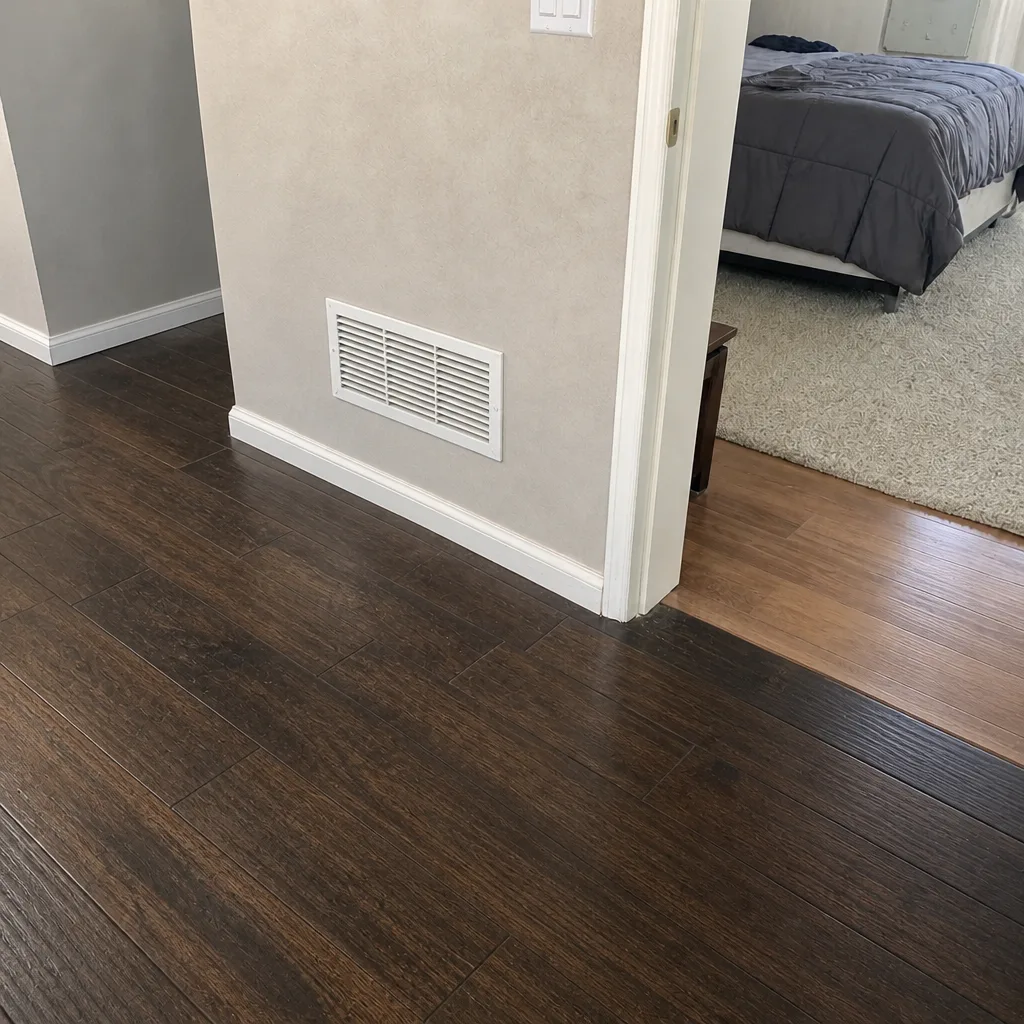
Whole-system duct and dryer vent check with before-and-after photos - you see exactly what came out of your vents
That "$99 whole-house special" is a bait ad - the real number appears once they are in your hallway, or the "clean" is a shop-vac at the register. We photograph the inside of your ducts before and after instead.
Air Duct Cleaning Maintenance Checklist for Downtown San Diego Homeowners
Most maintenance checklists for air ducts are written as if every home sits in a suburban subdivision with predictable seasons. Those timelines break down fast when your living space is a converted warehouse loft on Island Avenue, a high-rise condo near Cortez Hill, or a 1920s walk-up in the Gaslamp Quarter. Downtown San Diego’s building stock ranges from new concrete towers to century-old structures with retrofit HVAC systems, and the contamination timeline in each one moves at a completely different pace. This guide lays out what to actually check, month by month, without specialized tools, and when the conditions you observe mean the system is telling you to bring in a professional.
Styles & brands we work with
- Whole-home duct cleaning
- Dryer vent cleaning
- Camera inspection
- Sanitizing & deodorizing
Quick Answer
The right air duct maintenance checklist for Downtown San Diego examines four things every month: visible dust buildup around registers and returns, airflow strength at each vent, unusual odors when the system cycles, and filter condition. You should inspect these yourself monthly, schedule professional cleaning every two to three years in most units, and shorten that to twelve to eighteen months if you live within active construction zones, run the AC heavily in summer, have pets, or share a building with cooking exhaust from neighboring units. The observable conditions in your specific building matter more than any calendar.
Table of Contents
- Monthly Homeowner Checks That Require No Tools
- Downtown-Specific Contamination Triggers
- How to Log System Performance Changes
- Checklist Cadence Calibrated to Downtown San Diego Seasons
- What a Professional Inspection Should Verify Beyond Visible Debris
- Common Mistakes to Avoid
- When to Call a Professional
- Frequently Asked Questions
- The Bottom Line
Monthly Homeowner Checks That Require No Tools
Ten minutes a month is enough to catch most duct problems before they become expensive. No meter, no camera, no disassembly. What you’re looking for is change over time, which is why consistency matters more than intensity. The goal is a baseline understanding of your system so a deviation from normal registers immediately. We recommend doing these checks on the first weekend of each month, right before you swap or check the filter, so it becomes a single habit rather than two separate chores.
- Registers and grilles: Run a finger along the inside edge of each supply register. A fine gray film is normal after a month. A visible ridge of dust, or dust that reappears within days of wiping, indicates the duct interior is shedding into the airstream.
- Return air openings: Returns pull air toward the filter. If the return grille looks like a lint trap on a dryer, the filter upstream is either missing, undersized, or past its service life. Dark streaks around the edges show bypass air moving around the filter, not through it.
- Filter housing: Open the filter access panel and look at how the filter seats. A gap at any edge means unfiltered air is entering the system. A collapsed or bowed filter means pressure is building and the system is working harder than designed.
- Airflow feel: Hold your hand six inches from each register with the fan running. Compare rooms. A weak or uneven feel between rooms could indicate a damper issue, a crushed flex run, or a duct that has separated at a joint.
- Sound changes: Listen for whistling at registers, rattling inside walls or ceilings when the fan starts, or a thumping noise from the return. Whistling signals a restriction. Rattling often means loose duct hangers or debris moving through the system.
- Odor on startup: The first thirty seconds of a system cycle tell you a lot. A musty smell that fades as the fan runs suggests moisture has collected somewhere in the duct path. A persistent dusty smell means the ducts are coated with particulate that re-releases every cycle.
In Downtown San Diego, a monthly cadence for these checks matters more than it does inland because ambient dust from construction, street-level particulate, and shared-building air movement introduces new contaminants on a near-continuous basis. A unit in a new tower with active build-out on floors above you will load a filter, and the ducts behind it, far faster than a single-family home in Point Loma ever would.
For professional help beyond the monthly walk-through, Blackstone Air Duct Cleaning is a dedicated air duct cleaning specialist working throughout the downtown core.
Downtown-Specific Contamination Triggers
Every city has a contamination signature, and Downtown San Diego has three distinct ones. Understanding which applies to your unit changes what you look for and how often you schedule service. A high-rise condo off Broadway faces different inputs than a converted warehouse unit in the East Village or a historic structure in the Marina District.
Construction and Renovation Dust
Downtown San Diego is in a near-permanent state of building activity. New residential towers, commercial build-outs, street-level remodel work, and infrastructure projects generate fine dust that enters buildings through stairwells, elevator shafts, and the building’s own make-up air system. This dust is not just an outdoor problem. It migrates through corridors, into your unit, and into the return air stream. If you notice concrete or drywall dust accumulating on flat surfaces within days of cleaning, you can assume the ducts are collecting the same material. The operative question is not whether construction affects your air system, but how quickly. Units within two blocks of an active pour or a tower facade replacement should simply plan on more frequent professional cleanings, full stop.
Shared-Building Cooking Exhaust and Odors
Multi-unit buildings in the Gaslamp, East Village, and Little Italy were not all designed with the same separation between unit exhaust systems. In older structures, cooking exhaust from one unit can enter a neighbor’s return path, depositing grease-laden aerosols on the interior of duct surfaces. You cannot control this from your side, but you can observe it. A smell of grease or garlic that appears when the system cycles, despite no cooking of your own, is a clear indicator that outside air is entering the return path, or that building exhaust is leaking into yours. This is a duct cleanliness issue and sometimes a building envelope issue. Either way, it belongs on the professional inspection list.
Filter Loading in Compact Units
High-rise units with electric heat pumps and single filter points can show rapid filter loading because the system runs frequently and draws from a dense, particulate-heavy environment. In our experience, Downtown San Diego condos often show filter loading times between half and a third of what a suburban homeowner sees. What does that tell you? That the entire duct system is ingesting more material per month, and that the portion of that material which bypasses a filter or embeds in the duct interior is proportionally higher. A monthly filter inspection is not optional here. It is the single most reliable early warning sign of duct contamination.
Where contamination runs deep, it helps to have the right equipment. Blackstone Air Duct Cleaning runs Rotobrush and Nikro systems, the same professional-grade tools used in commercial and restoration duct work, rather than consumer-grade vacuums.
How to Log System Performance Changes
A checklist only matters if it creates a record. Without a log, you are relying on memory, and memory smooths over the gradual decline that is exactly what you should be measuring. A simple three-column entry, once a month, takes ninety seconds and gives you a factual basis for deciding when to schedule an inspection. Here is how to structure it.
- Date and filter status: Note whether the filter is clean, lightly dusted, or heavily loaded, and at what day of service life it sits. Include the filter brand and MERV rating if you know it.
- Airflow compare: Rate airflow at the farthest register from the air handler on a one-to-five scale. You are looking for trend, not precision. A system that drops from a four to a two over four months has a developing restriction.
- Dust recurrence: After wiping a reference register, note how many days pass before visible dust returns to the same level. A shrinking interval means more material is circulating.
- Odor and sound: One line each. “No change” is a valid entry. A new smell or a new sound is worth investigating promptly.
- Anything unusual: Renovation on your floor. A new pet. A blocked stairwell vent. This context explains the other entries.
This log matters because professional duct inspection is recommended based on observable system decline, not on a generic interval. Every reputable Blackstone Air Duct Cleaning technician can work faster and more accurately when a homeowner presents a six- or twelve-month history of airflow, filter loading, and odor. It turns a vague “the air feels stuffy” into a documented pattern.
Checklist Cadence Calibrated to Downtown San Diego Seasons
National duct cleaning recommendations are built around a four-season cycle with long shoulders, deep freezes, and a pollen season that starts in March. Downtown San Diego does not follow that calendar. Our climate is mild and relatively stable, but the HVAC system does not run evenly throughout the year. Understanding when it works hardest tells you when to inspect.
Summer Cooling Load (June through October)
This is the heaviest run period for most Downtown San Diego units. Long cooling cycles pull substantial air volume through the return and the filter. If the duct interior has loose debris, this is when it re-enters the airstream. Do the full monthly check every month during this window, and inspect the filter every two weeks if you run the system most days. This is also when odor complaints tend to surface, because warm air moving through a contaminated duct releases volatile compounds more readily.
Winter Operation (November through February)
Cooler, and in some buildings damper, conditions change the system’s behavior. Units that run heat pumps may cycle less, allowing dust to settle in the duct interior between runs. When the system starts again, that settled dust re-mobilizes. Pay close attention to the first thirty seconds of startup during these months. A puff of dust or a musty note on startup is more diagnostic in winter than at any other time.
Spring Transition and Building Maintenance (March through May)
Many downtown buildings schedule common-area maintenance, hallway repainting, and mechanical work in the spring. This period can introduce paint fumes, solvent vapors, and construction dust into shared returns. Reduce scheduling surprises by watching for building notices and adding a baseline check on the week any hallway work is announced. If your unit shares a return chase with common areas, dust and vapors from that work will find their way into your space.
What a Professional Inspection Should Verify Beyond Visible Debris
Visible debris inside ducts is a lagging indicator. By the time you can see heavy accumulation at a register, the interior of the duct upstream is likely carrying far more material. A professional inspection, done by a company that works specifically in air duct cleaning, should verify several things you cannot see or measure from the living space.
- Static pressure across the system: This is the fundamental health indicator for an HVAC distribution system. High static pressure means the system is fighting a restriction, which can be duct collapse, filter loading, undersized runs, or closed dampers. It should be measured, not guessed at.
- Duct integrity and connection security: Flex duct can separate at collars, kink behind chases, and develop tears from age or rodent activity. Rigid duct can show gaps at joints that pull in unconditioned air or dust. An inspection should include a visual check of accessible sections and, where possible, camera documentation.
- Flex duct condition: In downtown retrofits and mid-rise mechanical closets, flex duct is common. Crushed or sagging flex shows up as uneven airflow and is often found during a professional cleaning, where the rotary brush meets an obstruction or the airflow test flags a restriction.
- Contamination type, not just quantity: The difference between household dust, drywall dust, grease-laden aerosol from shared cooking, and microbial growth matters. Each requires a different remediation approach, and a professional should identify what is present before any cleaning begins. Where Abatement Technologies-level intervention is needed for heavier contamination, the company should be equipped to say so and act accordingly.
- Filter rack fit and sealing: A surprising number of systems have filter racks that do not fit the filter they were designed for, or that allow bypass air around the frame. That is a design and installation problem, and it is worth fixing because it cancels a large portion of the benefit of any cleaning.
Blackstone Air Duct Cleaning handles cleaning, dryer vent cleaning, and structural air duct repair under one roof, so the inspection findings do not get handed off to a second contractor before they can be acted on.
Common Mistakes to Avoid
- Scheduling duct cleaning by calendar only. A unit near a construction zone may need attention inside a year. A well-sealed unit in a quiet courtyard building may go five years without meaningful contamination. Work from the monthly log, not from a generic national interval.
- Cleaning ducts without addressing the filter rack. If the rack does not seal, unfiltered air bypasses the filter and re-contaminates the cleaned ducts within months. You have not fixed the system, you have cleaned one part of it.
- Ignoring a weak register in one room. It is easy to write off one slow vent as “just how this unit is.” Uneven airflow is more often a separated flex run or a crushed section than a design quirk, and it worsens over time.
- Treating building renovation dust as a surface-cleaning problem only. You can wipe counters for eight months while the ducts accumulate the same material. Schedule a duct inspection after any substantial build-out on your floor or the one above you.
- Expecting a filter change to resolve duct contamination. A new filter stops new material from entering the system. It does nothing for what is already adhered to the duct interior. Treat them as two separate things.
- Running the fan continuously to “keep air moving” in a damp unit. Continuous fan operation in a unit with moisture in the ducts or high ambient humidity can keep duct surfaces damp and promote microbial growth. Fix the source of moisture, then set the fan normally.
- Choosing a cleaner by price and not by equipment. A shop-vac outfit cannot remove the material embedded in a properly contaminated duct system. Professional-grade rotary brush systems like Rotobrush, backed by Nikro negative air equipment, produce a mechanical agitation and containment result that lightweight equipment cannot match.
When to Call a Professional
Call a professional when the monthly log shows airflow in a persistent decline, when dust returns within days of cleaning a register, when a musty or greasy odor appears on startup, or when building renovation activity has occurred on your floor or directly above. Visible mold-like growth at any register is a call-the-same-week condition. Persistent high humidity inside the unit during summer, especially in older buildings without modern vapor barriers, deserves a professional look as well. Blackstone Air Duct Cleaning offers free estimates in Downtown San Diego. Call (866) 282-6412. We answer 24/7. Fast dispatch from 7am to 7pm, Sunday through Friday.
Frequently Asked Questions
Most Downtown San Diego units should have professional air duct cleaning every two to three years, but that interval shortens to twelve to eighteen months for units near active construction, homes with pets, buildings with shared cooking exhaust, or systems that run heavily in summer. Your monthly log of airflow, dust recurrence, and filter loading is the best guide for your specific unit.
You can read the observable signs: dust returns to register surfaces within days of wiping, airflow has weakened at far registers, a musty or greasy smell appears on startup, or the filter is heavily loaded well before its rated service interval. Any two of these recurring across a month points to duct contamination. For an exact assessment, call (866) 282-6412 and we can schedule a professional inspection.
Downtown San Diego units take in air from a much denser particulate environment than suburban homes. Construction dust, street-level particulate, shared-building air movement, and long summer cooling cycles all load filters and duct interiors faster. A high-rise unit a block from a construction site can load a filter in half the time a suburban home would.
No. A household vacuum and a register brush cannot reach beyond the first few feet of a duct run, and they lack the negative air capability to contain the material you disturb. Professional systems like the Rotobrush rotary brush and Nikro air scrubbing equipment agitate, extract, and contain contamination in a way consumer tools cannot. Attempting to clean deeper sections yourself tends to dislodge material and redistribute it through your living space.
Filter changes reduce the rate of new contamination but do not remove material already adhered to duct surfaces. Over years, even a well-filtered system accumulates fine dust, especially in Downtown San Diego’s particulate-heavy environment. A professional cleaning removes that accumulated layer, and the before-and-after difference in airflow and odor is often immediately noticeable.
A proper inspection goes beyond visible debris. It measures static pressure to identify restrictions, checks duct integrity and flex condition, identifies contamination type, and verifies filter rack fit and sealing. These measurements explain why the system behaves the way it does, not just what it looks like. For a full inspection and free estimate, call (866) 282-6412. We answer 24/7. Fast dispatch from 7am to 7pm, Sunday through Friday.
The Bottom Line
The right air duct maintenance checklist for Downtown San Diego is built on observation, not on a generic national calendar. Monthly checks of registers, returns, filter housing, airflow, sound, and startup odor give you a factual record. Downtown-specific inputs like construction dust, shared-building exhaust, and heavy summer cooling loads shorten the professional cleaning interval for many units. A professional inspection should measure static pressure, verify duct integrity, identify contamination type, and correct filter rack problems, not just vacuum what is visible. If your log shows declining airflow, rapid dust recurrence, or new odors, call (866) 282-6412 for a free estimate. We answer 24/7. Fast dispatch from 7am to 7pm, Sunday through Friday.
Written by the team at Blackstone Air Duct Cleaning, serving Downtown San Diego since 2018.
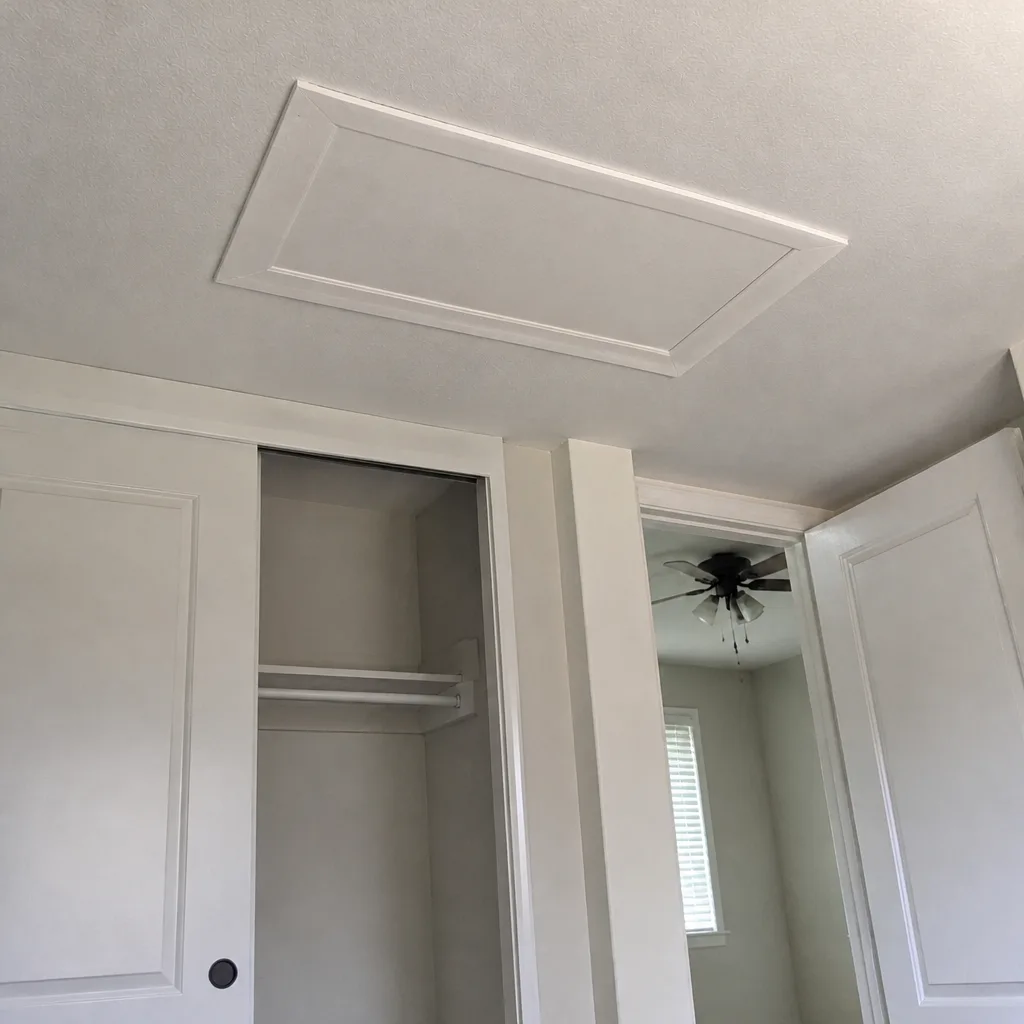
See the difference
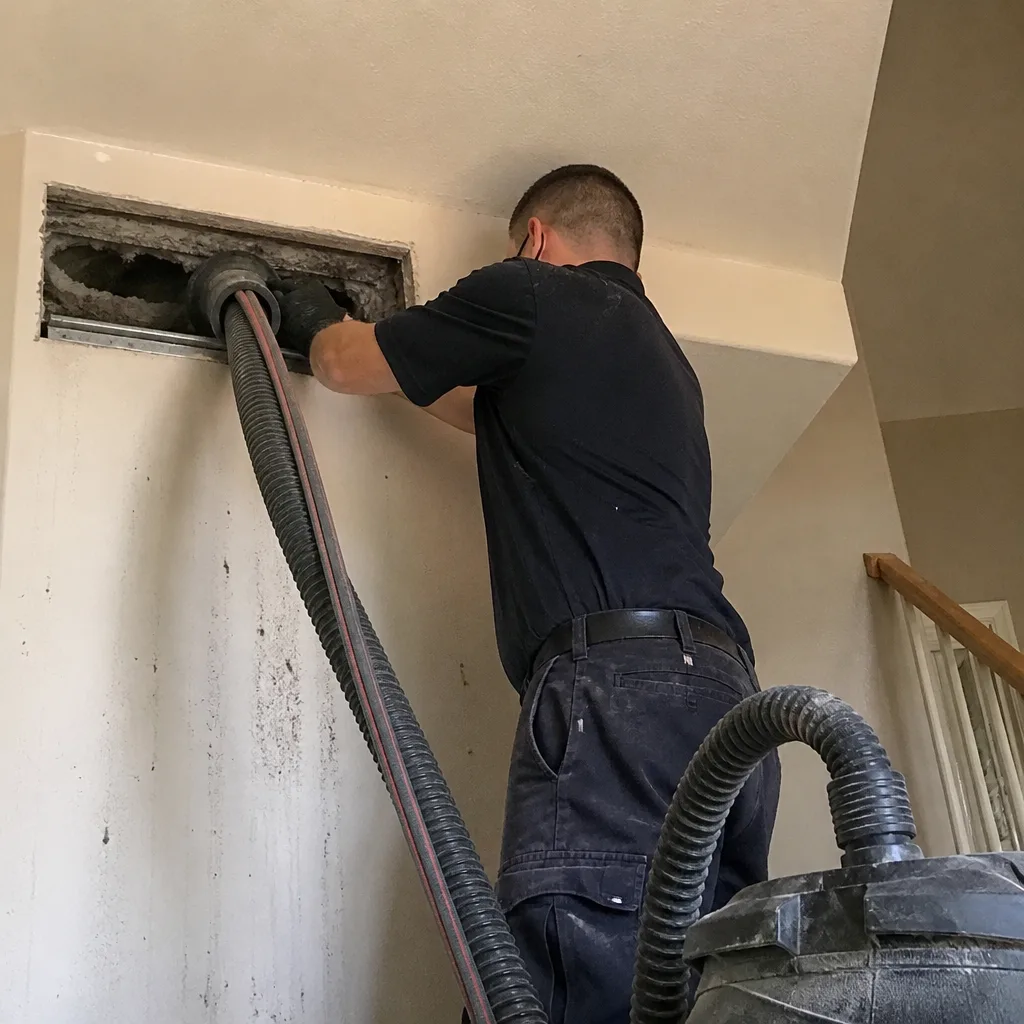 Before
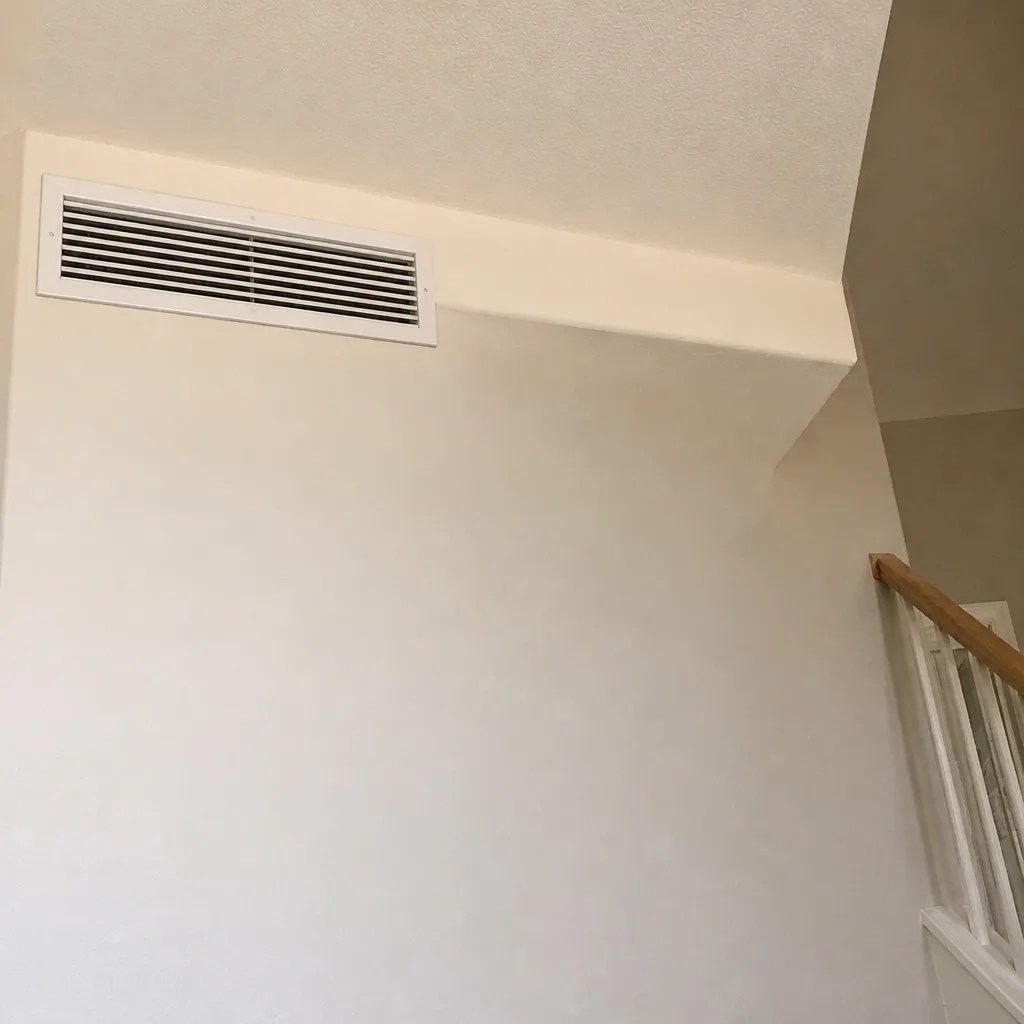 After
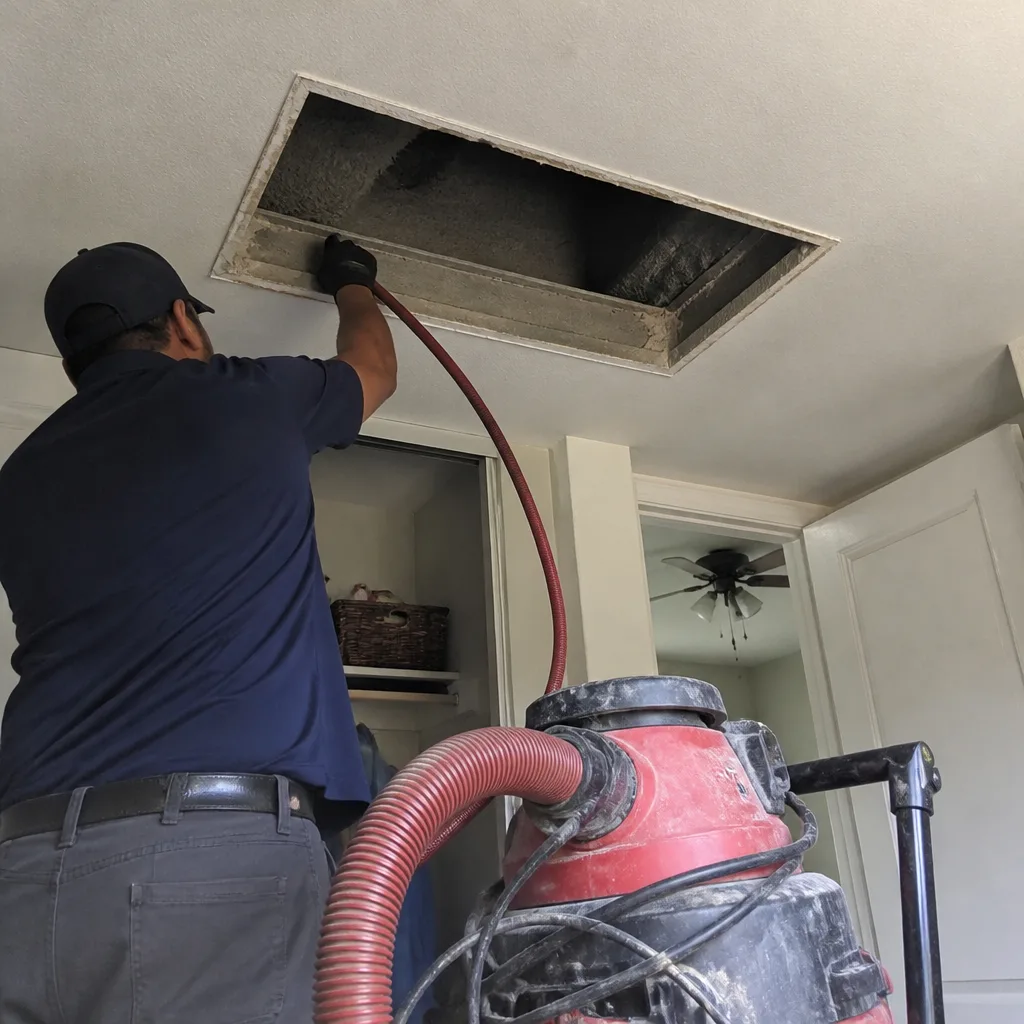 Before
 After
 Before
 After